
Your Mother, Your Mother, Your Mother (Estados Unidos, 2026)
Título Original: Your Mother, Your Mother, Your Mother
Direção: Bassam Tariq
Roteiro: Bassam Tariq
Elenco principal: Mahershala Ali, John Cho, Giancarlo Esposito, Abubakr Ali, Adia, Laith Nakli e Jahleel Kamara
Duração: 111 minutos (1h 51min)
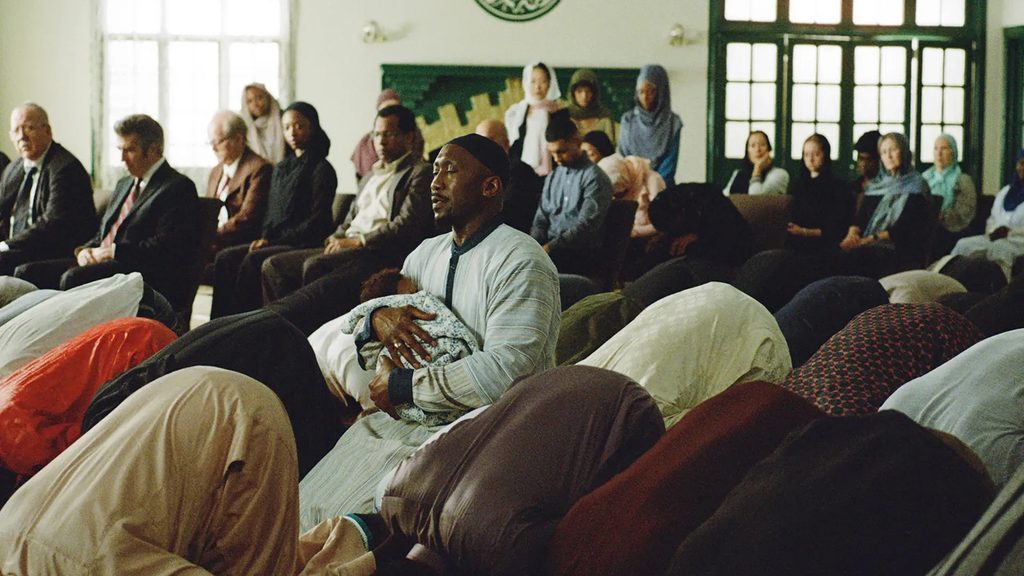
Quando Your Mother, Your Mother, Your Mother se inicia, ouvimos uma conversa que parece acontecer entre dois jovens citando um hadice islâmico na qual se pergunta sobre quem é a pessoa mais merecedora do bom tratamento dentro da família. O profeta responde três vezes que deve ser a mãe, e essa repetição é o que dá título ao longa-metragem. Assim, quando temos uma primeira cena na qual vemos Latif (Mahershala Ali) na mesquita no funeral de sua esposa e mãe de seus três filhos, já começamos com uma melancolia sobre a perda desta importante peça na estrutura familiar representada em tela.
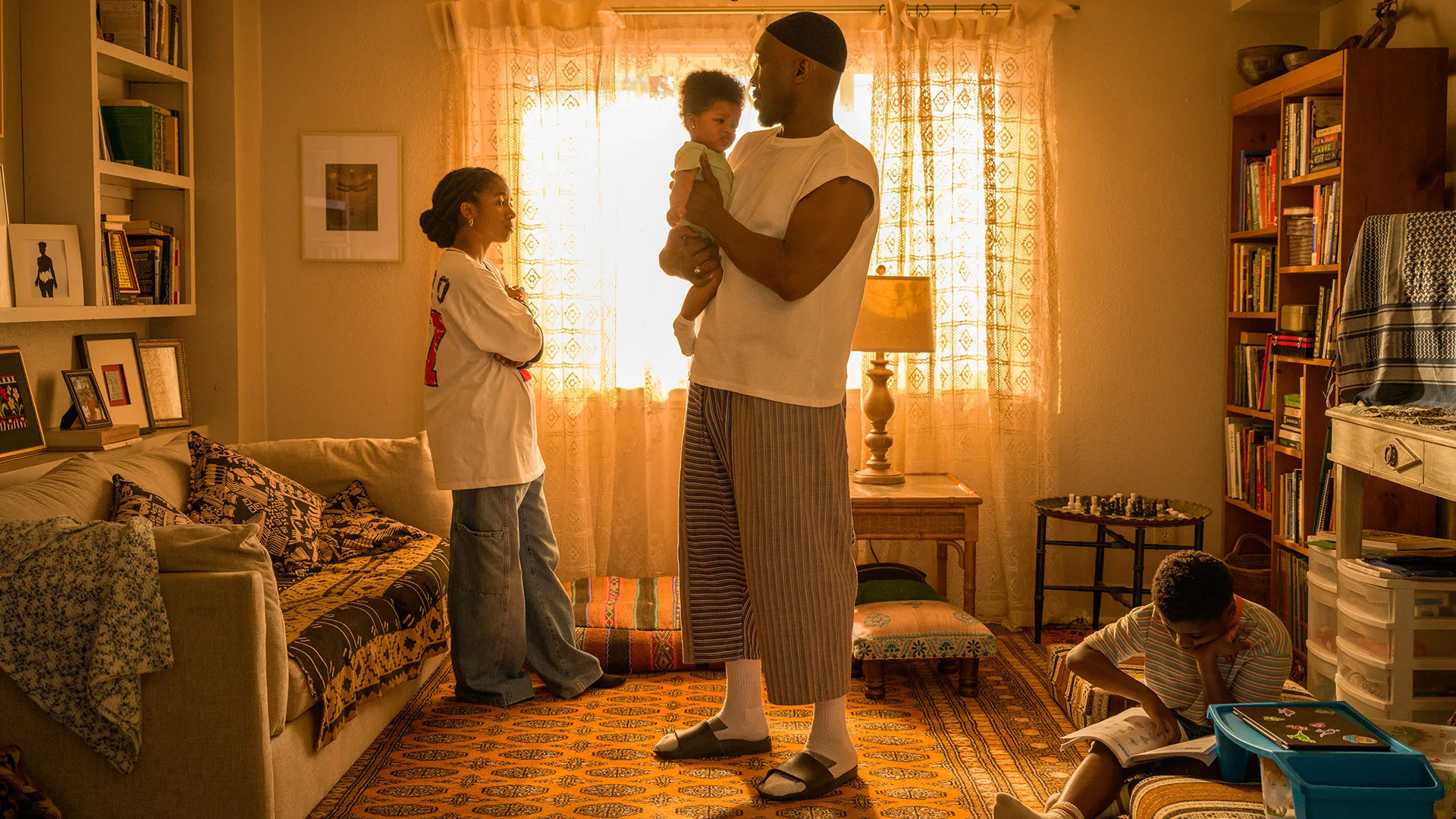
Mesmo que o filme traga consigo uma grande quantidade de símbolos religiosos significativos, a sua base é bastante simples: um homem que, após o falecimento da esposa, precisa ir em busca de leite materno para poder dar ao seu filho, acreditando que ele não vá aceitar a fórmula. Só que esse homem tem um conjunto de habilidades bem específicas, sendo um matador de aluguel que não utiliza armas de fogo e que elimina apenas pessoas que acredita tornarem o mundo pior.
É impressionante como é perceptível que a obra surge de uma sensibilidade principalmente religiosa específica, misturada com uma frustração de bastidores da dupla Bassam Tariq e Mahershala Ali. Eles estavam em pré-produção de mais uma adaptação cinematográfica de Blade dentro do universo cinematográfico da Marvel, que acabou não acontecendo mesmo após uma intensa preparação. Assim, quando eles partem para Your Mother, Your Mother, Your Mother, decidem transformar algo que poderia ser um drama em uma espécie de thriller dramático, colocando em cena todas as habilidades com espadas que Ali adquiriu para viver o caçador de vampiros. É colocada então uma camada de ação que faz com que todo o andamento da obra se torne mais épico e até hipnótico, com questões profundas sobre pertencimento e crença sendo colocadas lado a lado com essas cenas onde é impossível afastar os olhos da tela.
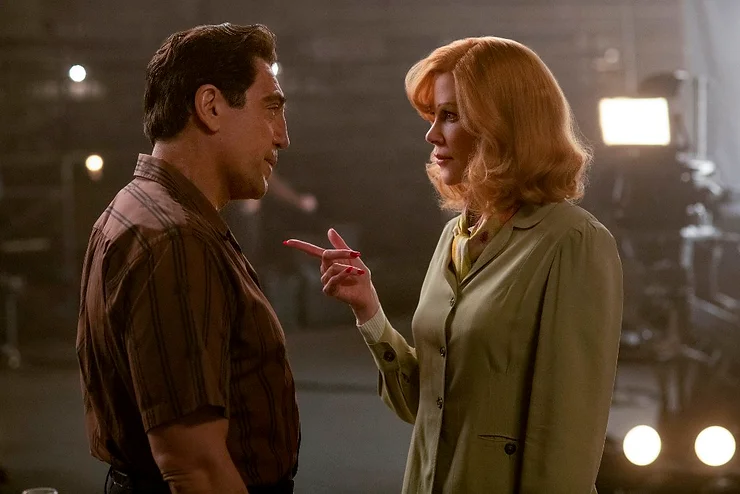
Ainda que essa mistura de gêneros seja o que torna essa obra inesquecível, também é importante observar como um filme com potencial de se tornar muito popular traz uma narrativa de um ponto de vista muçulmano, algo bem raro dentro da cinematografia estadunidense, e ainda mais desafiador em um momento no qual o país lida com uma política proto-fascista. Justamente por trazer a ficção, ele consegue nos aproximar desses personagens com uma intenção extremamente humanizada ao nos mostrar o que temos em comum e em divergência com eles. É também interessante que o principal vilão seja um pastor coreano vivido por John Cho, que mistura as palavras de deus com a cultura armamentista estadunidense.
Quando chegamos ao final do filme e temos a repetição daquele hadice inicial, agora entendendo o contexto e quem são os donos daquelas vozes, o filme cria aquele clique cerebral satisfatório e nos ganha por completo. Ainda que vá haver uma discussão sobre a cena final pelo público, baseada em crenças e gostos pessoais, ela consegue concluir o filme de modo muito condizente com todo o seu andamento.
Your Mother, Your Mother, Your Mother (United States, 2026)
Original Title: Your Mother, Your Mother, Your Mother
Director: Bassam Tariq
Writer: Bassam Tariq
Cast: Mahershala Ali, John Cho, Giancarlo Esposito, Abubakr Ali, Adia, Laith Nakli, and Jahleel Kamara
Runtime: 111 minutes (1h 51min)
As Your Mother, Your Mother, Your Mother begins, we hear a conversation, seemingly between two young people, quoting an Islamic hadith that asks who within the family is most deserving of good treatment. The Prophet answers three times that it is the mother, and this repetition provides the film with its title. Thus, the opening scene, which shows Latif (Mahershala Ali) at the mosque for the funeral of his wife — the mother of his three children — immediately establishes a melancholic tone regarding the loss of this pivotal figure in the family structure depicted on screen.
Although the film incorporates a wealth of significant religious symbolism, its premise is quite simple: a man who, following his wife’s death, must seek out breast milk for his infant son, believing the baby will not accept formula. However, this man possesses a very specific set of skills; he is a hitman who eschews firearms and eliminates only those he believes make the world a worse place.
It is striking how clearly the work stems from a specific, primarily religious sensibility, intertwined with the behind-the-scenes frustration shared by the duo of Bassam Tariq and Mahershala Ali. They had been in pre-production for yet another film adaptation of Blade within the Marvel Cinematic Universe — a project that ultimately never materialized, despite intense preparation. Thus, when they move into the “Your Mother, Your Mother, Your Mother” sequence, they decide to transform what could have been a standard drama into a sort of dramatic thriller, showcasing the sword-fighting skills Ali acquired to portray the vampire slayer. This adds a layer of action that makes the film’s pacing feel more epic — even hypnotic — as profound questions regarding belonging and belief sit alongside scenes that make it impossible to look away from the screen.
While this genre blend makes the work unforgettable, it is also important to note how a film with such mainstream potential presents a narrative from a Muslim perspective — a rarity in American cinema, and all the more daring at a time when the country is grappling with proto-fascist politics. By utilizing fiction, the film fosters a deep connection with these characters through a profoundly humanizing approach, revealing both our shared traits and our differences. It is also intriguing that the primary antagonist is a Korean pastor played by John Cho, a character who conflates the word of God with American gun culture.
By the time the film concludes and that opening hadith is repeated — now that we grasp the context and recognize the voices behind the words — the film triggers a satisfying “aha!” moment and completely wins us over. Although the final scene is likely to spark debate among audiences based on personal beliefs and tastes, it brings the film to a close in a way that feels entirely consistent with the narrative’s overall trajectory.