
Especial Documentários
Everest: O Outro Lado (Estados Unidos, China, Nepal, 2026)
Título Original: Everest: The Other Side
Direção: Elizabeth Chai Vasarhelyi e Jimmy Chin
Duração: 110 minutos (1h 50min)
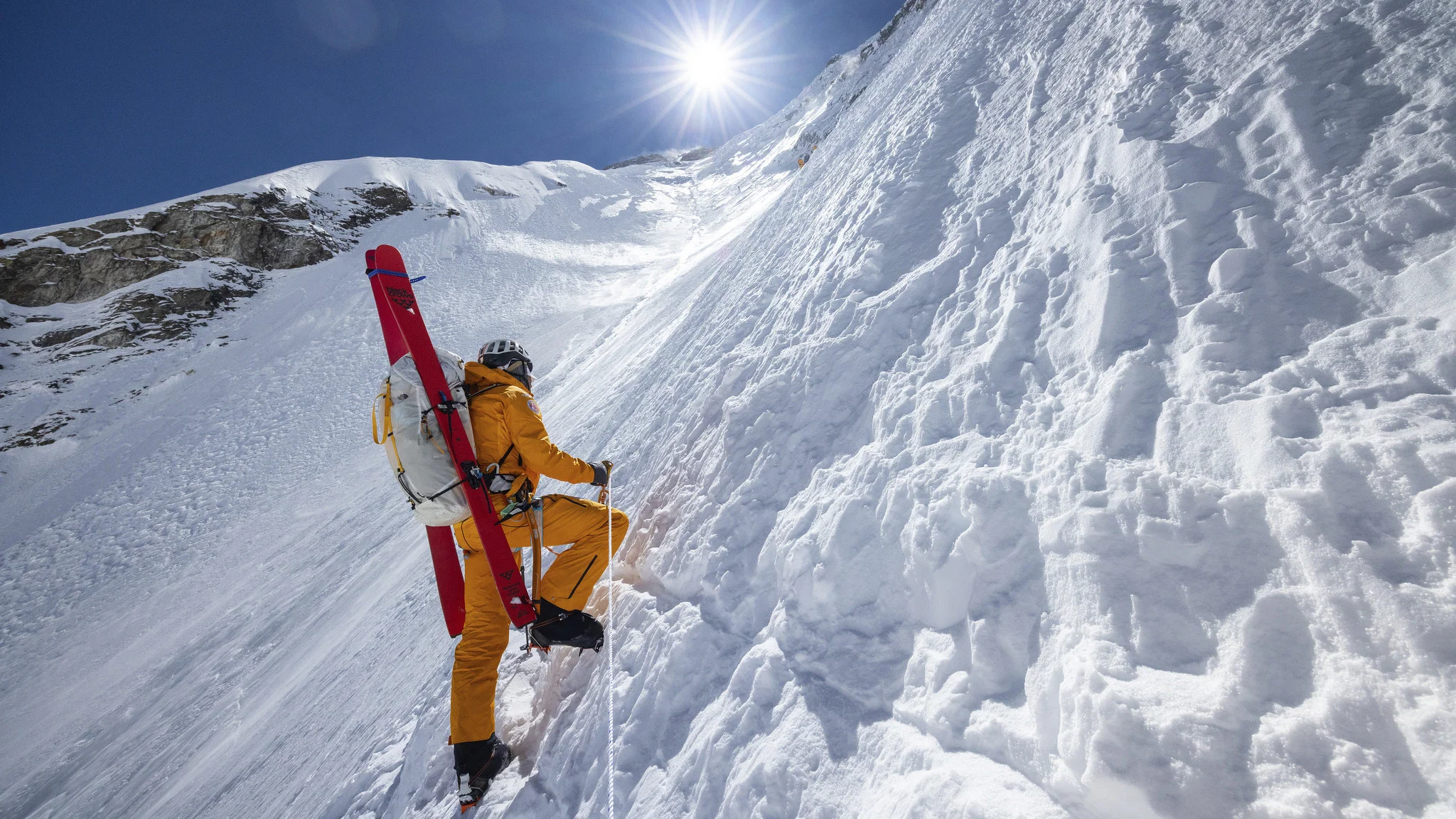
Para os fãs de documentários, a dupla de diretores Elizabeth Chai Vasarhelyi e Jimmy Chin já é conhecida por seu filme vencedor de Oscar na categoria de documentário Free Solo (2018), que acompanha o montanhista Alex Honnold em um desafio de escalada livre que ele faz contra si mesmo e a natureza. Agora, com Everest: O Outro Lado, eles repetem a dose com um desafio ainda mais grandioso, através de Jim Morrison e Hilaree Nelson: escalar a maior montanha do mundo pela sua face menos conhecida e mais perigosa, apenas para depois descê-la esquiando, algo nunca feito antes.
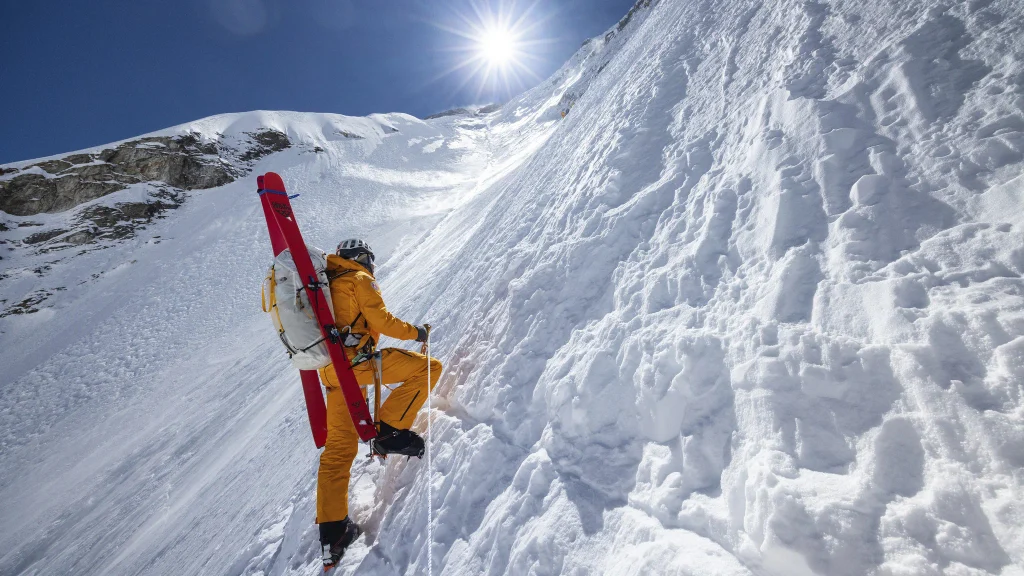
Como se pode imaginar, a temática de humanos tentando conquistar uma natureza que parece inalcançável está profundamente presente, e se relaciona bastante com os projetos dos diretores. Enquanto Chai tem uma carreira voltada para os documentários, Chin é montanhista e fotógrafo da National Geographic. Com isso, eles acabam tendo os recursos necessários para realizar façanhas como gravar uma tentativa de subida ao Everest, algo que seria quase impossível caso pelo menos parte da equipe não tivesse a prática de montanhismo necessária.
Também por conhecerem e lidarem com essa realidade das pessoas que lidam com os extremos, eles parecem cientes de todo o risco envolvido e da quantidade de experiências traumáticas que cada uma dessas pessoas possui. Na primeira parte do documentário, eles aprofundam bastante na relação entre Jim e Hilaree, como essas duas pessoas que acabaram encontrando um parceiro que compreende suas ambições e acompanha essa necessidade de desafiar limites. Em momentos como as entrevistas com os filhos de Hilaree, é difícil não se emocionar percebendo ao mesmo tempo a admiração e o medo que sentem pelas escolhas de vida da mãe. Esse olhar inicial para o humano acaba sendo importante narrativamente para que o espectador se conecte com a segunda parte do documentário.
O que vem a seguir é uma captação de um projeto surreal e que é feito de forma igualmente surreal. Acompanhamos as tentativas de realizar o feito sendo captadas em câmeras Imax, um sistema de alta tecnologia que permite a maior imersão possível, seja pela qualidade de imagem ou de som. Com isso, e por ter a experiência de assistir ao documentário em uma sala de cinema que comporta a exibição como ela foi planejada, existe um grau de imersão que é impossível de replicar. Nos sentimos realmente explorando o Everest com a equipe, e passando por cada um dos desafios que a natureza lhes impõe, e por mais que isso fosse possível com equipamentos mais simples, a grandiosidade da situação pode ser sentida mais intensamente.
Existe um elemento específico que é importante notar que é o foco relativamente pequeno que o documentário dá aos sherpas, que são as equipes de apoio essenciais para qualquer missão à montanha e que têm sua imagem colocada, mas pouco discutida. Considerando que o documentário está mais focado na experiência individual de seus protagonistas, é quase natural que a representação dos sherpas seja diminuída, mas percebe-se que a obra percebe a exploração desses trabalhadores, mas não ousa colocá-la em primeiro plano. Ao mesmo tempo em que ele está colocando uma realidade extrema em tela, ele também reforça essa exploração ao apresentar essas figuras sem lhes dar nenhum tipo de protagonismo, sem pensar minimamente nas suas condições de trabalho ou colocando um viés mais crítico em sua representação. Os próprios personagens parecem reconhecer o esforço desses trabalhadores, mas por uma questão narrativa, em momentos eles aparecem quase vilanizados por uma questão climática independente de seus esforços.
Mesmo assim, a obra é uma viagem extremamente imersiva a uma realidade alcançável a apenas uma parcela mínima da população, e consegue realizar uma captação e montagem que equilibram a emoção com a adrenalina. Não será surpreendente se o filme também tiver uma caminhada dentro da temporada de premiações deste ano.
Everest: The Other Side (United States, China, Nepal, 2026)
Original Title: Everest: The Other Side
Directors: Elizabeth Chai Vasarhelyi and Jimmy Chin
Runtime: 110 minutes (1h 50min)
Documentary fans already know the directing duo Elizabeth Chai Vasarhelyi and Jimmy Chin for their Oscar-winning film Free Solo (2018), which follows mountaineer Alex Honnold as he takes on a free-solo climbing challenge against both himself and nature. Now, with Everest: The Other Side, they tackle an even grander challenge alongside Jim Morrison and Hilaree Nelson: climbing the world’s highest mountain via its lesser-known and more dangerous face, only to ski down it — a feat never before accomplished.
As one might expect, the theme of humans attempting to conquer a seemingly unconquerable natural world is central to the film and aligns closely with the directors’ own backgrounds. While Chai has a career dedicated to documentary filmmaking, Chin is a mountaineer and National Geographic photographer. This combination gives them the resources needed to pull off feats like filming an Everest ascent — something that would be nearly impossible without the team possessing the necessary mountaineering expertise.
Because they are familiar with the reality of those who operate in extreme environments, they seem keenly aware of the risks involved and the traumatic experiences these individuals carry with them. In the first part of the documentary, they delve deeply into the relationship between Jim and Hilaree, exploring how two people found partners who understand their ambitions and share their drive to push boundaries. In moments like the interviews with Hilaree’s children, it is hard not to be moved while witnessing the mix of admiration and fear they feel regarding their mother’s life choices. This initial human-focused perspective proves narratively important, allowing the viewer to connect with the documentary’s second half.
What follows captures a surreal project executed in an equally surreal manner. We follow attempts to pull off the feat, filmed using IMAX cameras — a high-tech system offering maximum immersion through superior image and sound quality. Consequently, and especially when watching the film in a theater equipped to screen it exactly as intended, the level of immersion is impossible to replicate. We feel as though we are truly exploring Everest alongside the team, facing every challenge nature throws at them; while this experience might be possible with simpler equipment, the sheer scale of the situation is felt far more intensely here.
One specific element worth noting is the relatively limited focus the documentary places on the Sherpas, the support teams essential to any mountain mission, whose presence is acknowledged but rarely discussed in depth. Given the film’s focus on the protagonists’ individual experiences, a reduced portrayal of the Sherpas is perhaps natural; yet, the work clearly recognizes the exploitation these workers face without daring to bring that issue to the forefront. While presenting an extreme reality on screen, the film simultaneously reinforces that exploitation by featuring these figures without giving them any central role, without giving even a passing thought to their working conditions, and without adopting a critical perspective on their portrayal. The main characters themselves seem to acknowledge the workers’ efforts, yet for narrative reasons, the Sherpas sometimes appear almost villainized due to weather conditions that are entirely beyond their control.
Even so, the film is an incredibly immersive journey into a reality accessible to only a tiny fraction of the population, successfully employing cinematography and editing that balance emotion with adrenaline. It would come as no surprise if the film also makes a run during this year’s awards season.
The Ultra Runner (Canadá, 2026)
Título Original: The Ultra Runner
Direção: Mila Aung-Thwin
Roteiro: Mila Aung-Thwin e Mike MacMillan
Elenco principal: Tiberiu Ușeriu, Alin Uhlmann Ușeriu, Maria Mihaela Ștefănuț, David Ușeriu
Duração: 98 minutos (1h 38min)
O início de The Ultra Runner causa certa confusão. O espectador que entra na sala de cinema buscando um documentário começa a assistir algo que parece uma ficção sobre a vida de Tiberiu Ușeriu, o romeno conhecido por ser capaz de terminar três ultramaratonas no círculo ártico. Logo percebemos que na realidade se trata de uma encenação de seus primeiros passos enquanto um jovem vivendo no país ainda dentro do bloco socialista, e que irá se repetir diversas vezes durante o longa-metragem, mas essa confusão inicial já causa um estranhamento em quem busca a linguagem documental.
A grande questão é que este é um daqueles documentários, tal qual o já citado Everest: O Outro Lado, no qual a realidade parece tão absurda que ela superaria qualquer tipo de ficção. Ușeriu passou do extremo da pobreza, passando pela migração forçada, o caminho da criminalidade e, por fim, o esporte como uma forma de ensinar a sua mente e o seu corpo a seguir por um caminho específico. E o caminho escolhido foi o da corrida, chegando ao extremo da ultramaratona, as corridas que ultrapassam os 42km da maratona convencional e podem chegar às situações mais extremas do corpo humano.
Ainda que exista essa história real bastante inspiradora e uma captação de imagens e entrevistas com Ușeriu e outras pessoas ao seu redor, a obra parece um pouco confusa em como contar essa história. Mesmo que seja possível utilizar diversas linguagens, com a ficcionalização dentro do documentário, aqui esse recurso é colocado apenas como um modo de contar algo sobre o seu protagonista, mas que justamente por ser encenado acaba trazendo uma informação potencialmente manipulada. Não acredito que seja a intenção do diretor utilizar esse recurso de forma tão arbitrária, mas é impossível ignorar essa sensação ao acompanhar a linha narrativa ali criada.
Por outro lado, temos aqui novamente a possibilidade de ver uma pessoa que consegue chegar aos extremos fazendo exatamente aquilo que a torna especial, e Ușeriu é generoso ao contar sobre suas experiências e o quão longe ele é capaz de chegar fisicamente e mentalmente durante as suas provas. Quando isso é somado à toda a sua história de superação e ao seu reconhecimento atual dentro da Romênia, se torna difícil não torcer pelas suas vitórias, assim como não se emocionar com o andamento do filme.
Entre a sensação de se sentir um pouco manipulado pela narrativa e realmente admirado pelo esforço humano envolvido, tem-se um caso no qual a forma fílmica parece atrapalhar um pouco a própria tentativa de celebrar este atleta e ser humano. Presos no maniqueísmo de uma história de superação, sobra pouco para podermos nos aprofundar um pouco mais na mente de Ușeriu.
The Ultra Runner (Canada, 2026)
Original Title: The Ultra Runner
Director: Mila Aung-Thwin
Screenplay: Mila Aung-Thwin and Mike MacMillan
Cast: Tiberiu Ușeriu, Alin Uhlmann Ușeriu, Maria Mihaela Ștefănuț, David Ușeriu
Runtime: 98 minutes (1h 38min)
The opening of The Ultra Runner causes some confusion. Viewers entering the theater expecting a documentary find themselves watching something that resembles a fictionalized account of the life of Tiberiu Ușeriu — the Romanian runner famous for completing three ultramarathons within the Arctic Circle. We soon realize that this is actually a reenactment of his early days as a young man living in the country while it was still part of the socialist bloc, a device repeated several times throughout the film, but this initial confusion creates a sense of disconnect for those seeking a traditional documentary style.
The key point is that this is one of those documentaries, much like the aforementioned Everest: The Other Side, where reality seems so absurd that it surpasses fiction. Ușeriu’s journey took him from extreme poverty through forced migration and a life of crime, finally leading to sports as a means to train his mind and body to follow a specific path. That path was running, specifically the extreme discipline of ultramarathons — races that go far beyond the 42km of a conventional marathon and push the human body to its absolute limits.
Despite the truly inspiring true story and the footage and interviews featuring Ușeriu and those around him, the film feels somewhat muddled in its storytelling approach. While it is certainly possible to employ various cinematic styles, including the use of dramatization within a documentary, here, that technique serves merely as a way to reveal something about the protagonist; yet, precisely because it is staged, it inevitably introduces information that feels potentially manipulated. I do not believe the director intended to use this device so arbitrarily, but it is impossible to shake that impression while following the narrative arc presented.
On the other hand, we are once again given the chance to witness someone who pushes himself to the absolute limit doing exactly what makes him special; Ușeriu is generous in sharing his experiences and revealing just how far he can go, both physically and mentally, during his races. When this is combined with his inspiring story of overcoming adversity and his current status in Romania, it becomes hard not to root for his victories or remain unmoved by the film’s progression.
Caught between the feeling of being somewhat manipulated by the narrative and feeling genuine admiration for the human effort involved, the film presents a case where the cinematic style seems to slightly hinder the very attempt to celebrate this athlete and human being. Confined by the simplistic, black-and-white nature of a typical “triumph over adversity” story, there is little room to delve deeper into Ușeriu’s mindset.