
The Man I Love (Estados Unidos, 2026)
Título Original: The Man I Love
Direção: Ira Sachs
Roteiro: Maurício Zacharias, Ira Sachs
Elenco principal: Rami Malek, Tom Sturridge, Luther Ford, Rebecca Hall, Ebon Moss-Bachrach
Duração: 96 minutos (1h 36min)
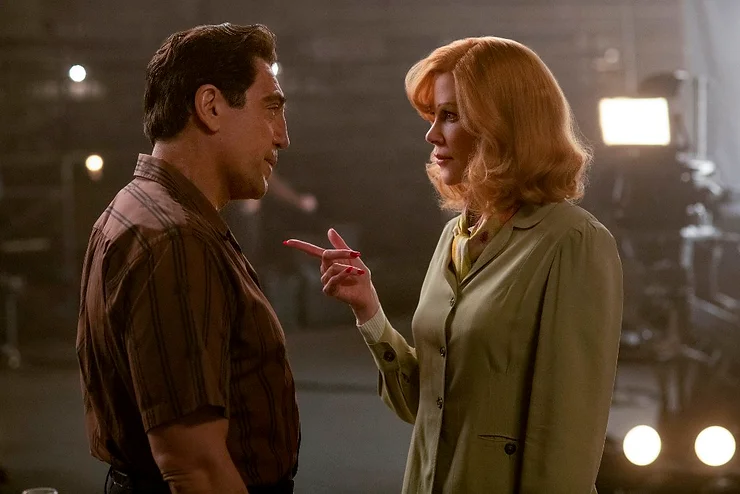
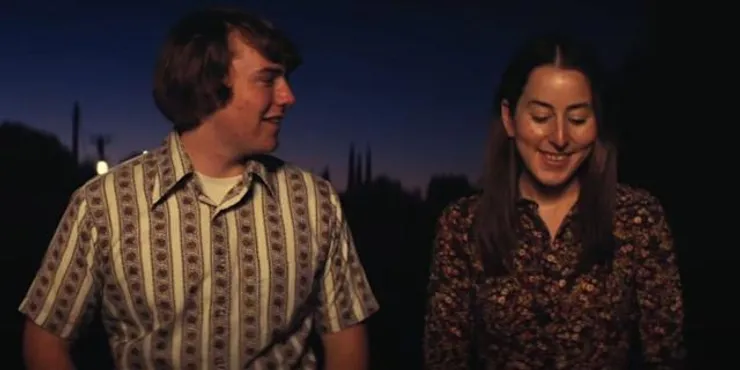
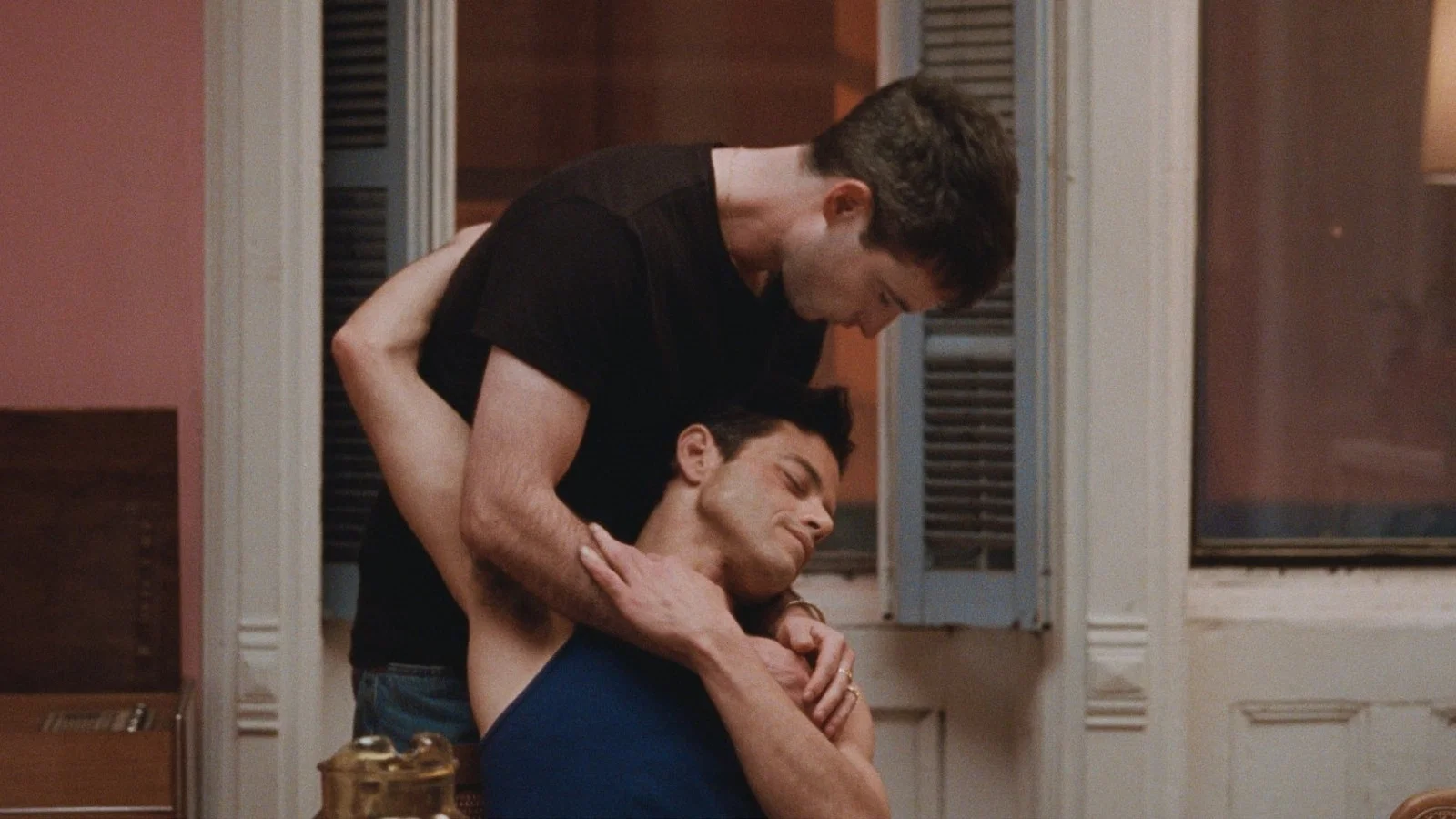
Após a dureza emocional de Passagens (2023), é interessante ver Ira Sachs retornando com mais um filme que lida com o desejo dentro das relações humanas, ainda que desta vez esse assunto esteja mais marginal ao roteiro do longa-metragem. Em The Man I Love (2026), ele traz Jimmy George (Rami Malek) como o centro da história, iniciando a partir do momento em que ele volta para casa se recuperando de uma doença e acompanhando seu trabalho com sua companhia de teatro para realizar uma volta aos palcos. Para completar o triângulo amoroso, temos Denis (Tom Sturridge) como seu esposo fiel e que cuida muito do marido, e Vincent (Luther Ford) como o novo vizinho pelo qual surge um grande interesse.

Um primeiro ponto interessante a ser abordado é o quanto o filme se pauta nessa doença sem nunca dizer o seu nome. Jimmy George é um homem com HIV em Nova Iorque em plenos anos 1980, quando conviver com o vírus ainda era praticamente um sinônimo de que a morte estava próxima, devido à falta de tratamento e atenção das autoridades. Para lidar com essa situação pesada, o filme opta por colocar tudo o que está presente na vida da pessoa: os remédios, as grandes crises de saúde, a preocupação de todos à sua volta. É o tipo de silêncio ensurdecedor, no qual a ausência da palavra fala mais do que a sua presença.
Assim, o filme vai lidar justamente com essa pessoa emocionalmente fragilizada, mas que ainda está disposta a se colocar em palcos e se expor, algo que contém uma beleza intrínseca. Ao mesmo tempo, esse personagem ganha complexidade quando passa a agir de forma egoísta e colocar seus prazeres em primeiro lugar, ignorando a vida das pessoas ao seu redor. Justamente por essa profundidade e dualidade, é muito difícil aceitar Rami Malek como Jimmy. Seja por seus trejeitos muito caricatos, que ficam mais incômodos quando vêm de um homem que se declara heterossexual, ou pela dificuldade de acreditar em sua fragilidade quando ela é necessária em cena. Trazer um nome que já tem um certo peso por conta de sua interpretação como Freddie Mercury acaba não parecendo a melhor escolha para a obra. Ainda assim, o filme funciona e, principalmente nas cenas que exigem um tesão, o que poderia ser um problema, eles conseguem simular a química de maneira convincente ao público.
Uma segunda questão bastante interessante é como o diretor consegue utilizar o som para ajudar a contar a sua história. Um dos principais elementos na trama é que Jimmy está se preparando para realizar uma performance ao vivo baseada em um vídeo de Melanie cantando What Have They Done to My Song Ma. Se a escolha da canção já é perfeita pela mistura de melancolia com uma busca artística, o fato dela ser repetida ao longo do filme com diversas entonações é um elemento que indica a situação interna do personagem. Mais do que isso, ele avança para um momento no qual duas trilhas de som acabam se sobrepondo, em um momento bastante emocionante sobre o caos interno de dentro da mente de Jimmy.
Ainda que a obra não tenha a originalidade de alguns trabalhos pregressos do diretor, ela ainda mostra o seu olhar apurado em contar histórias sobre personagens que não são apenas uma coisa ou outra, colocando também uma lupa na comunidade LGBTQ+ e em suas representações em telonas.
In English, translated by Renata Torres:
The Man I Love (United States, 2026)
Original Title: The Man I Love
Director: Ira Sachs
Screenplay: Mauricio Zacharias, Ira Sachs
Main Cast: Rami Malek, Tom Sturridge, Luther Ford, Rebecca Hall, Ebon Moss-Bachrach
Running Time: 96 minutes
After the emotional intensity of Passages (2023), it’s interesting to see Ira Sachs returning with another film that deals with desire within human relationships, even if this time the subject is more marginal to the film’s script. In The Man I Love (2026), he brings Jimmy George (Rami Malek) to the center of the story, beginning from the moment he returns home recovering from an illness and overseeing his work with his theater company to stage a comeback. To complete the love triangle, we have Denis (Tom Sturridge) as his faithful and caring husband, and Vincent (Luther Ford) as the new neighbor for whom he develops a strong interest.
An interesting point to address is how much the film focuses on this disease without ever mentioning its name. Jimmy George is a man with HIV in New York in the 1980s, when living with the virus was practically synonymous with imminent death, due to the lack of treatment and attention from the authorities. To deal with this heavy situation, the film chooses to portray everything present in the person’s life: the medications, the major health crises, the concern of everyone around him. It’s a deafening silence, where the absence of words speaks louder than their presence.
Thus, the film deals precisely with this emotionally fragile person, who is still willing to put himself on stage and expose himself, something that contains an intrinsic beauty. At the same time, this character gains complexity when he begins to act selfishly and prioritize his own pleasures, ignoring the lives of those around him. Precisely because of this depth and duality, it’s very difficult to accept Rami Malek as Jimmy. Whether it’s due to his very caricatured mannerisms, which become even more bothersome coming from a man who declares himself heterosexual, or the difficulty in believing in his fragility when it’s necessary on screen. Bringing in a name that already carries a certain weight because of his portrayal of Freddie Mercury doesn’t seem like the best choice for the film. Even so, the film works, and especially in the scenes that demand passion, which could be a problem, they manage to convincingly simulate the chemistry for the audience.
A second very interesting point is how the director manages to use sound to help tell the story. One of the key elements in the plot is that Jimmy is preparing to perform a live piece based on a video of Melanie singing “What Have They Done to My Song Ma.” While the song choice is already perfect for its blend of melancholy and artistic pursuit, the fact that it’s repeated throughout the film with various intonations indicates the character’s inner state. Furthermore, it progresses to a point where two soundtracks overlap, creating a highly emotional moment about the internal chaos within Jimmy’s mind.
Although the film may lack the originality of some of the director’s previous works, it still showcases his keen eye for telling stories about characters who are not simply one thing or another, also focusing on the LGBTQ+ community and its representation on the big screen.
Obrigada, Aline Guevara, pelo apoio! Se você quiser ver o seu nome nas próximas críticas, não esqueça que o financiamento coletivo segue aberto em https://www.kickante.com.br/financiamento-coletivo/ajude-o-no-sofa-com-gatos.