
Fjord (Romênia, Noruega, França, Dinamarca, Finlândia, Suécia, 2026)
Título Original: Fjord
Direção: Cristian Mungiu
Roteiro: Cristian Mungiu
Elenco principal: Sebastian Stan, Renate Reinsve, Alin Panc, Lisa Carlehed
Duração: 146 minutos
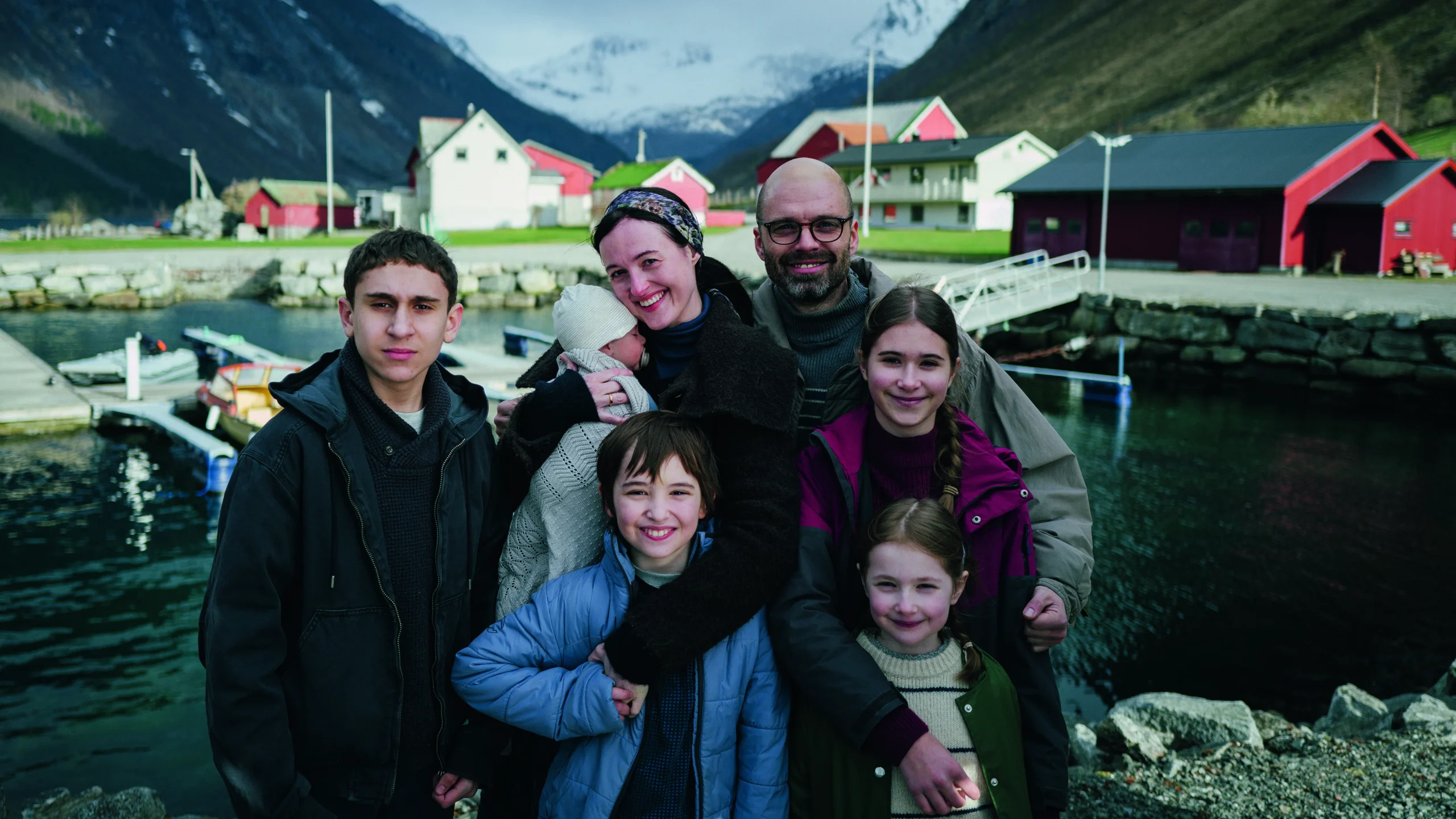
Como cidadã brasileira, é difícil olhar para Fjord sem sentir um certo desconforto, mas que é proposital da obra. O filme tem uma leve inspiração em um caso real, mas é ficcionalizado com o casal Lisbet (Renate Reinsve) e Mihai (Sebastian Stan), sendo ela norueguesa e ele romeno. Eles decidem sair da Romênia e viver na Noruega com seus cinco filhos, em busca de uma boa condição de vida, mas geram um estranhamento na cidade por seus hábitos cristãos pentecostais. Eles tentam separar os jovens e crianças de tudo o que é mundano, colocando uma educação religiosa em clara evidência.
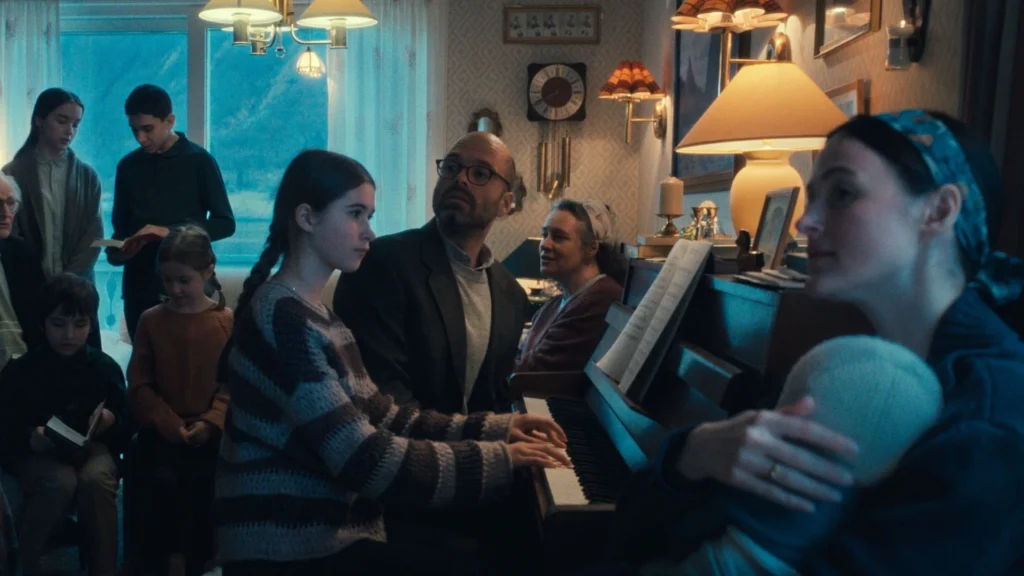
Só que isso causa um grande estranhamento nas famílias vizinhas, principalmente por eles estarem em uma cidade pequena na qual praticamente todas as pessoas se conhecem. Entre regras de convivência bastante estritas, muitas responsabilidades e um machucado que ninguém consegue explicar, eles passam a ser alvo do sistema de proteção às crianças norueguês, que tem como regra tentar agir antes mesmo que algum dano considerável seja sofrido. O que Cristian Mungiu, já conhecido por seus dramas que envolvem discussões morais profundas, coloca em tela é mais uma discussão entre o sistema judiciário progressista dinamarquês e o seu limite em relação à liberdade religiosa de seus indivíduos.
O filme sabe que o seu ponto forte está no roteiro e nas atuações, e aproveita para dar todo o foco possível para eles, principalmente no começo da trama, enquanto ainda estamos conhecendo a família. Ele aproveita esse momento para também criar histórias secundárias com outros personagens e ir nos introduzindo a pormenores de suas vidas, como o fato de Lisbet estar sempre disposta a ajudar os outros ou de que os filhos sempre tiveram muito pouco contato com pessoas de fora da igreja. Vamos compreender o quanto sua rotina, trabalhos e relações são pautadas em permanecer dentro de uma segurança, mas ao mesmo tempo pensamos na qualidade de suas intenções. Assim, quando o drama chega ao seu ápice e precisamos refletir sobre o problema moral envolvido, temos diversos qualificadores dentro de nossas expectativas, sendo ainda mais difícil pensar se o que está sendo colocado é 100% correto ou incorreto. Ele também tenta criar personagens críveis, mesmo para aqueles secundários ou terciários, criando um ambiente apropriado para contar essa história.
O filme tenta colocar suas técnicas como quase invisíveis, para deixar o enfoque nesses dilemas. Não há uma grande criação de um estilo visual específico, nem em relação a ângulos ou ritmo de edição, focando em deixar tudo o mais naturalista o possível. A sutileza é tanta que até as músicas normalmente aparecem sendo tocadas dentro de tela, sem uma trilha sonora marcante. O que talvez seja a escolha mais ousada neste sentido é a locação, que é uma cidade bem pequena e isolada, que ajuda a criar a sensação de frieza dessa família em relação aos seus arredores.
O filme se torna uma obra importante ao colocar a questão do estado versus indivíduo em uma nova perspectiva, sem necessariamente apontar vilões mas também colocando seu ponto de maneira clara. Acabamos entrando em um território de drama bastante europeu, com a diferença em como o Estado age em cada país, mas em um assunto relevante o suficiente para que possa ressoar ao redor do mundo, e especialmente em um Brasil que passará esse ano novamente por eleições presidenciais.
In English, translated by Renata Torres:
Fjord (Romania, Norway, France, Denmark, Finland, Sweden, 2026)
Original Title: Fjord
Director: Cristian Mungiu
Screenplay: Cristian Mungiu
Main Cast: Sebastian Stan, Renate Reinsve, Alin Panc, Lisa Carlehed
Running Time: 146 minutes
As a Brazilian citizen, it’s difficult to watch Fjord without feeling a certain discomfort, but that’s intentional in the work. The film is loosely inspired by a real case, but it’s fictionalized with the couple Lisbet (Renate Reinsve) and Mihai (Sebastian Stan), she being Norwegian and he Romanian. They decide to leave Romania and live in Norway with their five children, seeking a better life, but they cause strangeness in the city due to their Pentecostal Christian habits. They try to separate the young people and children from everything worldly, placing religious education in clear evidence.
This causes great unease among neighboring families, especially since they live in a small town where practically everyone knows each other. Amidst strict rules of coexistence, many responsibilities, and an injury no one can explain, they become targets of the Norwegian child protection system, which operates under the rule of trying to act before any significant harm is suffered. What Cristian Mungiu, already known for his dramas involving profound moral discussions, brings to the screen is yet another discussion between the progressive Danish judicial system and its limits regarding the religious freedom of its citizens.
The film knows that its strength lies in the script and the performances, and takes advantage of this to give them as much focus as possible, especially at the beginning of the plot, while we are still getting to know the family. It uses this time to also create secondary stories with other characters and introduce us to details of their lives, such as Lisbet’s constant willingness to help others or the fact that the children have always had very little contact with people outside the church. We understand how much their routine, work, and relationships are based on remaining within a safe environment, but at the same time, let’s consider the quality of their intentions. Thus, when the drama reaches its climax and we need to reflect on the moral problem involved, we have several qualifiers within our expectations, making it even more difficult to consider whether what is being presented is 100% correct or incorrect. The film also attempts to create believable characters, even secondary or tertiary ones, creating an appropriate environment to tell this story.
The film tries to make its techniques almost invisible, to keep the focus on these dilemmas. There isn’t a great creation of a specific visual style, neither in terms of angles nor editing rhythm, focusing on making everything as naturalistic as possible. The subtlety is such that even the music usually appears playing on screen, without a striking soundtrack. Perhaps the boldest choice in this sense is the location, a very small and isolated town, which helps create the feeling of coldness of this family in relation to their surroundings.
The film becomes an important work by placing the issue of state versus individual in a new perspective, without necessarily pointing out villains but also making its point clearly. We end up entering a very European dramatic territory, with the difference in how the State acts in each country, but on a subject relevant enough to resonate around the world, and especially in a Brazil that will again go through presidential elections this year.
Obrigada, Aline Guevara, pelo apoio! Se você quiser ver o seu nome nas próximas críticas, não esqueça que o financiamento coletivo segue aberto em https://www.kickante.com.br/financiamento-coletivo/ajude-o-no-sofa-com-gatos.