
All the English translations by Renata Torres
Quelques Mots d’Amour (França, 2026)
Título Original: Quelques Mots d’Amour (Words of Love)
Direção: Rudi Rosenberg
Roteiro: Rudi Rosenberg, em colaboração com Bruno Tracq
Elenco principal: Hafsia Herzi (Erika), Nour Salam (Abigaëlle), Paulette Chetrit (Brigitte), Jacques Sebban (David), Stephan Chargeboeuf (Antoine Garcia)
Duração: 95 minutos
A história de uma mãe (Erika) sobrecarregada e que cuida mental e fisicamente de todas as pessoas de uma família é algo que já está super utilizado dentro da cinematografia. Ainda assim, existe um charme na forma que Rudi Rosenberg organiza os seus personagens e lhes dá características marcantes para diferenciá-lo da infinidade de obras parecidas. O uso de atores não-profissionais para interpretar Abigaëlle e Yoni se coloca como algo acertado, principalmente por uma menor lapidação do limite entre o papel e a sua própria vida, gerando situações críveis e que fazem com que o público se engaje com a história.
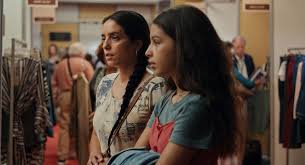
No entanto, o filme é formalmente muito simples. Desde o uso de uma câmera muito próxima dos personagens de maneira sufocante, não nos permitindo entender a sua relação com o ambiente no qual se encontram, até o roteiro que precisa de início, meio e fim com explicações muito claras. Tudo isso vai somando e criando uma obra extremamente quadrada, e que considerando a temática batida, torna a obra estranhamente esquecível. Mesmo que existam ali questões importantes, como o abandono paterno, a busca por validação, o machismo estrutural, tudo isso acaba sendo colocado de maneira quase simplificada, e essas ações não causam um impacto duradouro com quem assiste.
Words of Love (France, 2026)
Original Title: Quelques Mots d’Amour (Words of Love)
Director: Rudi Rosenberg
Screenplay: Rudi Rosenberg, in collaboration with Bruno Tracq
Main Cast: Hafsia Herzi (Erika), Nour Salam (Abigaëlle), Paulette Chetrit (Brigitte), Jacques Sebban (David), Stephan Chargeboeuf (Antoine Garcia)
Running Time: 95 minutes
The story of an overwhelmed mother (Erika) who mentally and physically cares for everyone in her family is something that has been overused in cinema. Even so, there is a charm in the way Rudi Rosenberg organizes his characters and gives them distinctive characteristics to differentiate him from the countless similar works. The use of non-professional actors to portray Abigaëlle and Yoni is a wise choice, mainly because it blurs the lines between the roles and their own lives, creating believable situations that engage the audience with the story.
However, the film is formally very simple. From the use of a camera that is too close to the characters in a suffocating way, preventing us from understanding their relationship with their environment, to the script that needs a beginning, middle, and end with very clear explanations, all of this adds up to an extremely formulaic work, and considering the overused themes, it becomes strangely forgettable. Even though important issues are present, such as paternal abandonment, the search for validation, and structural sexism, everything is presented in an almost simplistic way, and these actions do not have a lasting impact on the viewer.
Titanic Ocean (Grécia, Alemanha, Romênia, França, Espanha, 2026)
Título Original: Titanic Ocean
Direção: Konstantina Kotzamani
Roteiro: Konstantina Kotzamani
Elenco principal: Arisa Sasaki, Melina Mardini, Haruna Matsui, Kotone Hanase, Hanna Muro, Riku Nakamura, Aki Kigoshi, Masahiro Higashide, Sei Matobu
Duração: 130 minutos
Assumindo pela primeira vez a direção de um longa-metragem, a diretora grega Konstantina Kotzamani vai até o Japão para fazer o filme com uma das premissas mais promissoras do festival: em uma escola que visa treinar garotas para se tornarem sereias profissionais, ela acompanha um grupo que quer competir pela premiação internacional de sereias. A grande questão é que se essa premissa parece muito pautada na fantasia, ela na verdade se baseia em um movimento real das escolas profissionalizantes de sereias do país, com o elemento fantástico sendo colocado apenas no comportamento das personagens.
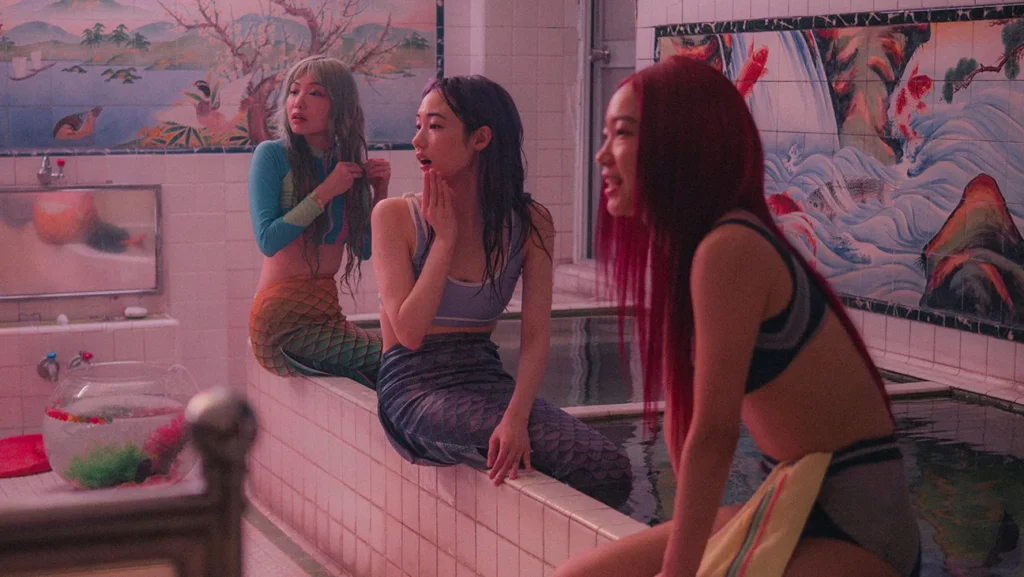
Entre cores neon, ambientes belamente enfeitados e personagens com todas as cores de cabelo que você pode imaginar, todos os marcadores estéticos para um filme de sereia estão lá. Ele inclusive utiliza muito bem a música I Follow Rivers para acompanhar a sua narrativa, com performances de sereias misturadas com uma rotina extenuante e custosa tanto para as garotas quanto para as suas famílias.
O que ele parece realmente errar é no seu ritmo. Entre o que esperamos de um coming-of-age que ainda tem como plano de fundo o sereismo e a realidade do longa, acabamos com uma diferença clara. Entre um ritmo mais lento, que insiste em criar uma crescente gradual nos conflitos e seus acontecimentos que não mesclam muito bem o que é mundano com o que é fantástico, acabamos percebendo a tentativa de encanto e não nos deixando cair nele. É quase como se ele deixasse tão claros quais são os seus mecanismos e não se permitisse adentrar mais profundamente nas personagens que ele acaba criando uma barreira intransponível com quem assiste – como quem assiste uma sereia dentro do tanque de peixes de um aquário.
Titanic Ocean (Greece, Germany, Romania, France, Spain, 2026)
Original Title: Titanic Ocean
Director: Konstantina Kotzamani
Screenplay: Konstantina Kotzamani
Main Cast: Arisa Sasaki, Melina Mardini, Haruna Matsui, Kotone Hanase, Hanna Muro, Riku Nakamura, Aki Kigoshi, Masahiro Higashide, Sei Matobu
Running Time: 130 minutes
Taking on her feature film directing duties for the first time, Greek director Konstantina Kotzamani travels to Japan to make a film with one of the festival’s most promising premises: at a school that aims to train girls to become professional mermaids, she follows a group that wants to compete for the international mermaid award. The main point is that while this premise seems heavily based on fantasy, it’s actually grounded in a real movement of professional mermaid schools in the country, with the fantastical element only present in the characters’ behavior.
Between neon colors, beautifully decorated environments, and characters with every hair color imaginable, all the aesthetic markers for a mermaid film are there. It even makes excellent use of Lykke Li’s song “I Follow Rivers” to accompany its narrative, with mermaid performances mixed with an exhausting and costly routine for both the girls and their families.
What it really seems to get wrong is its pacing. Between what we expect from a coming-of-age story that still has mermaids as a backdrop and the reality of the film, we end up with a clear difference. Between a slower pace, which insists on creating a gradual increase in conflicts and events that don’t blend the mundane with the fantastical very well, we end up perceiving the attempt at enchantment and not falling for it. It’s almost as if the film makes its mechanisms so clear and doesn’t allow itself to delve deeper into the characters, creating an insurmountable barrier for the viewer – like watching a mermaid inside a fish tank in an aquarium.
Jim Queen (França e Bélgica, 2026)
Título Original: Jim Queen à la recherche de la Chloroqueer
Direção: Nicolas Athané e Marco Nguyen
Roteiro: Nicolas Athané, Marco Nguyen, Simon Balteaux e Brice Chevillard
Elenco principal (vozes): Alex Ramirès, Jérémy Gillet, Shirley Souagnon, François Sagat
Duração: 83 minutos
A animação é um dos meus formatos favoritos dentro do cinema, e eu costumo guardar um espaço em todos os festivais para assistir ao menos uma. Sabendo ainda que seria uma animação queer e tendo a experiência recente com o maravilhoso A Sapatona Galáctica, as expectativas para Jim Queen foram elevadas, e felizmente ele se mostrou à altura daquilo que eu projetei.

Jim é um jovem parisiense que vive a cultura gay de forma bastante intensa, sendo o rei da academia que frequenta e um influenciador digital ligado à forma física. Só que isso é ameaçado quando ele contrai Heterosis, um vírus novo que está transformando todos os gays em héteros. Então, será apenas com a ajuda do twink Lucien que ele poderá tentar encontrar uma cura.
Com uma estética que conversa bem com o seu público, números musicais divertidos e cenas que brincam com os estereótipos sobre a comunidade, o filme é um excelente caso no qual nos sentimos rindo com ele, e não dele. Considerando o quanto a comédia é um gênero em baixa com as demandas (justas) da modernidade, temos nele um exemplo do como fazer isso de maneira adequada aos novos tempos. Infelizmente, como acontece com muitos filmes do gênero, a narrativa aparece praticamente como o pretexto para criar o ambiente para as piadas – mas que funciona justamente por serem piadas boas. Ele acaba sendo a mistura certa de humor autodepreciativo, cores fortes e um bom coração.
Jim Queen (France and Belgium, 2026)
Original Title: Jim Queen à la recherche de la Chloroqueer
Directed by: Nicolas Athané and Marco Nguyen
Screenplay: Nicolas Athané, Marco Nguyen, Simon Balteaux and Brice Chevillard
Main Cast (voices): Alex Ramirès, Jérémy Gillet, Shirley Souagnon, François Sagat
Running Time: 83 minutes
Animation is one of my favorite formats in cinema, and I usually make time at every festival to watch at least one. Knowing that it would be a queer animation and having the recent experience with the wonderful Lesbian Space Princess (2025), my expectations for Jim Queen were high, and thankfully it lived up to what I had projected.
Jim is a young Parisian who lives the gay culture very intensely, being the king of the gym he frequents and a digital influencer focused on physical fitness. But this is threatened when he contracts Heterosis, a new virus that is turning all gay men into straight men. Only with the help of the twink Lucien can he try to find a cure.
With an aesthetic that resonates well with its audience, fun musical numbers, and scenes that play with stereotypes about the community, the film is an excellent example of how we laugh with it, not at it. Considering how much comedy is a genre that’s undervalued by the (justified) demands of modernity, this film exemplifies how to do it appropriately for the times. Unfortunately, as with many films of this genre, the narrative serves almost as a pretext to create the environment for the jokes – but it works precisely because they are good jokes. It ends up being the right mix of self-deprecating humor, vibrant colors, and a good heart.
La Perra (Chile, Brasil, 2026)
Título Original: La Perra (A Cadela)
Direção: Dominga Sotomayor
Roteiro: Inés Bortagaray, baseado no romance homônimo de Pilar Quintana
Elenco principal: Manuela Oyarzún, David Gaete, Selton Mello, Paula Luchsinger, Paula Dinamarca, Rafaella Grimberg
Duração: 112 minutos
La Perra é um filme que tenta lidar com diversos elementos da existência humana através de uma experiência pessoal e que parece extremamente bem desenhado, exceto na parte em que ele esquece que precisa se comunicar com o público para poder causar alguma reação nele. Baseado no romance de Pilar Quintana, ela adapta a obra ao cenário litorâneo chileno para colocar elementos das pequenas comunidades locais.
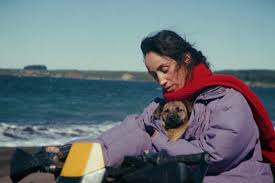
Entre um retrato que parece muito alheio da pobreza, uma dificuldade em conseguir estabelecer os tempos no qual a obra acontece e planos longuíssimos com poucos acontecimentos que não conseguem manter a atenção de quem assiste, suas melhores qualidades estão no trabalho dos atores e da simpática cachorra Yuri, uma ótima representante dos SRDs latinos. Até mesmo as locações, que parecem interessantes por sua proximidade à água, acabam afastadas pela fotografia que insiste no pouco uso de contraste. Em um festival que teve poucas exibições de filmes do continente, a escolha justamente por este parece estranha.
La Perra (Chile, Brazil, 2026)
Original Title: La Perra (The Bitch)
Director: Dominga Sotomayor
Screenplay: Inés Bortagaray, based on the novel of the same name by Pilar Quintana
Main Cast: Manuela Oyarzún, David Gaete, Selton Mello, Paula Luchsinger, Paula Dinamarca, Rafaella Grimberg
Running Time: 112 minutes
La Perra is a film that attempts to deal with various elements of human existence through a personal experience and seems extremely well-designed, except for the part where it forgets that it needs to communicate with the audience in order to elicit any reaction from them. Based on the novel by Pilar Quintana, who is from Colombia, the work is adapted to the Chilean coastal setting to incorporate elements of small local communities.
Between a portrayal that seems detached from poverty, a difficulty in establishing the time periods in which the work takes place, and excessively long shots with few events that fail to hold the viewer’s attention, its best qualities lie in the actors’ performances and the endearing dog Yuri, a great representative of Latin American mixed-breed dogs. Even the locations, which seem interesting due to their proximity to water, end up being overshadowed by the cinematography, which insists on a limited use of contrast. In a festival that featured few screenings of films from South America, the choice of this particular film seems strange.
Marie Madeleine (Haiti, França, Bélgica, Luxemburgo, Canadá, 2026)
Título Original: Marie Madeleine
Direção: Géssica Généus
Roteiro: Géssica Généus
Elenco principal: Géssica Généus (Marie Madeleine), Béonard Monteau (Joseph), Melissa Mildort (Mélody), Edouard Baptiste (Jacques), Ginou Jules (Sexy), Gaëlle Bien-Aimé (Natacha)
Duração: 103 minutos
É impressionante o que a diretora Géssica Généus consegue transmitir uma aura sobre o Haiti sem muitas vezes nem precisar de palavras. Trabalhando também como atriz principal no longa, ela se coloca no papel de uma prostituta que passa por um aborto e é socorrida pelo filho do pastor, Joseph. Se isso acontece nos primeiros momentos da obra, depois vamos entender que a briga entre prostíbulo e igreja é mais antiga, com trocas de farpas e reclamações por essas mulheres supostamente estarem vivendo em pecado.
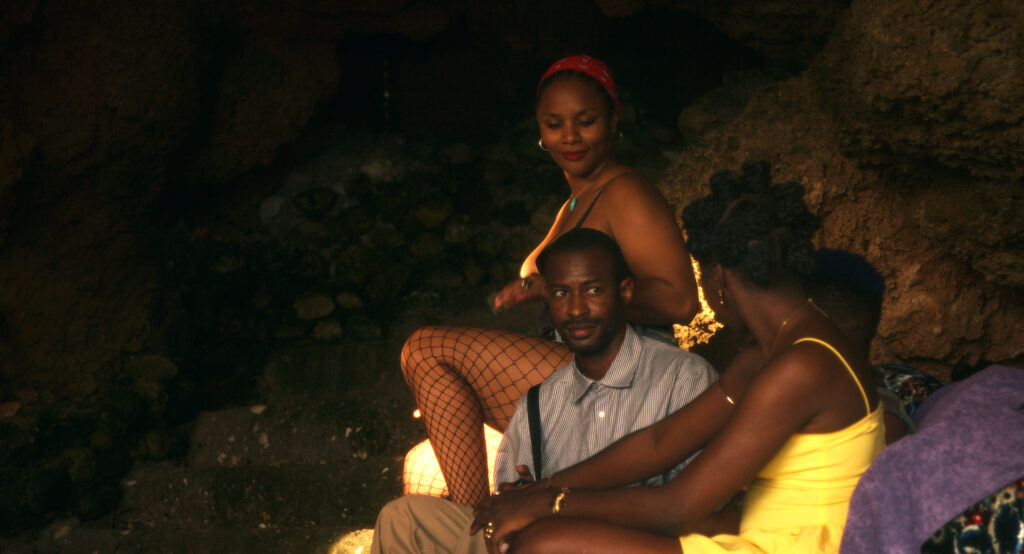
Ainda que por vezes eu mesma não tenha tido referências para compreender o que era apresentado em tela pela falta de conhecimento cultural do país, era claro que o que estava colocado em cada imagem era muito bem pensado, não apenas em uma questão de roteirização mas também no impacto que aquelas imagens causariam no público. Entre a mistura das imagens majoritariamente noturnas e que lidam com a amizade entre mulheres como a força motriz para a sobrevivência, mesmo que se perca um pouco por essa falta de referencial se compreende o suficiente para que a obra funcione de forma universal.
Isso é somado a um senso estético bastante apurado, que faz questão de lidar com uma esfera de um realismo social misturado com a possibilidade de uso de cores e movimentos para trazer mais leveza e até uma alegria a um filme que trata de assuntos muito sérios. Acabamos com um estudo de personagens inesperados, mas que causam uma impressão duradoura.
Marie Madeleine (Haiti, France, Belgium, Luxembourg, Canada, 2026)
Original Title: Marie Madeleine
Director: Géssica Généus
Screenplay: Géssica Généus
Main Cast: Géssica Généus (Marie Madeleine), Béonard Monteau (Joseph), Melissa Mildort (Mélody), Edouard Baptiste (Jacques), Ginou Jules (Sexy), Gaëlle Bien-Aimé (Natacha)
Running Time: 103 minutes
It’s impressive how director Géssica Généus manages to convey an aura about Haiti, often without even needing words. Also acting as the lead actress in the film, she plays a prostitute who undergoes an abortion and is helped by the pastor’s son, Joseph. While this happens in the film’s opening moments, we later understand that the conflict between brothel and church is much older, with exchanges of barbs and complaints about these women supposedly living in sin.
Even though I myself sometimes lacked the references to understand what was presented on screen due to a lack of cultural knowledge of the country, it was clear that what was presented in each image was very well thought out, not only in terms of scriptwriting but also in the impact those images would have on the audience. Between the mix of predominantly nocturnal images dealing with the friendship between women as the driving force for survival, even if some is lost due to this lack of reference, enough is understood for the work to function universally.
This is combined with a highly refined aesthetic sense, which insists on dealing with a sphere of social realism mixed with the possibility of using colors and movement to bring more lightness and even joy to a film that deals with very serious issues. We end up with a study of unexpected characters, but ones that leave a lasting impression.
Six Months in the Pink and Blue Apartment (México, Brasil, Dinamarca, 2026)
Título Original: Seis Meses en el Edificio Rosa con Azul
Direção: Bruno Santamaría Razo
Roteiro: Bruno Santamaría Razo
Elenco principal: Jade Reyes, Sofía Espinosa, Lázaro Gabino, Eduardo Ayala, Valeria Vanegas, Anuar Vera, Teresa Sánchez, Valentina Cohen, Nara Carreira e Demick Lopes
Duração: 105 minutos
O híbrido entre documentário e ficção é algo não muito explorado na história do cinema, mas que gera obras muito interessantes, como é o caso de Six Months in the Pink and Blue Apartment. O cineasta Bruno Santamaría Razo aproveita as suas memórias de infância para entrevistar seus pais sobre os acontecimentos, enquanto também reencena muitos deles com uma clara ficcionalização.
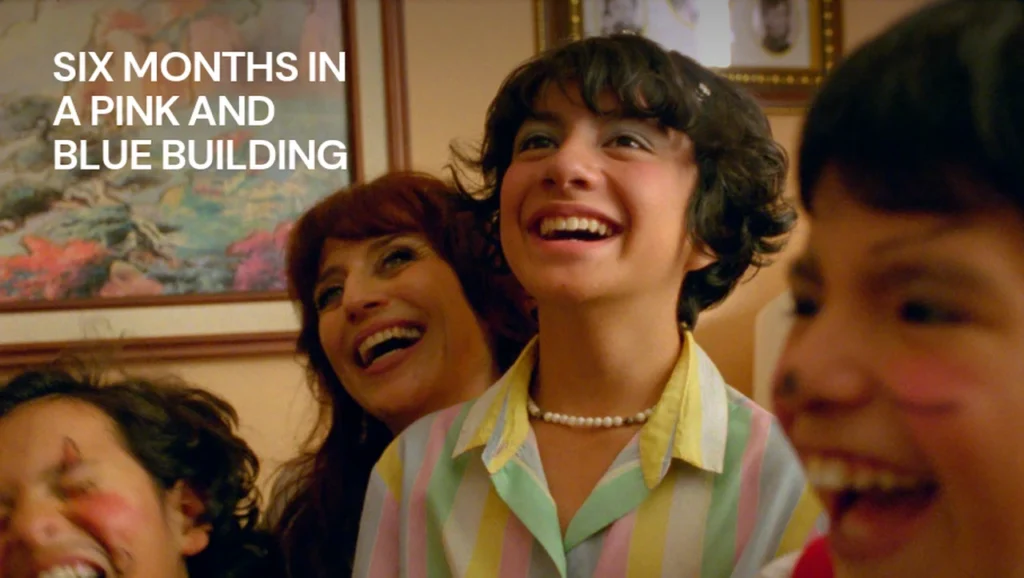
A obra se torna mais interessante porque a família tem uma história a ser contada: durante o início da epidemia de HIV na Argentina, seu pai aparece com uma doença misteriosa e precisa lidar com isso. Ao mesmo tempo, ele mesmo descobre que tem sentimentos pelo melhor amigo, lidando com os primeiros momentos de sua homossexualidade. Assim, pensando nesse momento de suas vidas, ele cria essa mistura de documentário super pessoal de um filho perguntando coisas para os próprios pais e a reencenação do que estava acontecendo naqueles momentos.
Aqui acontece uma espécie de autoficção realmente elaborada e que consegue compelir quem está assistindo a se emocionar. Desde uma sensação nostálgica para aqueles que viveram os anos 1990, com seus costumes particulares, até o uso de uma sensibilidade queer bem pensada fazem com que o público se sinta companheiro daqueles personagens apresentados, justamente pela compreensão de que aquela seria uma história íntima de uma família que está sendo compartilhada. Com essa intimidade, conseguimos compreender a universalidade de determinadas histórias ao mesmo tempo em que vemos um exercício cinematográfico de como tornar o local como algo universal sem perder a ternura.
Sem dúvidas esse foi um dos filmes mais interessantes assistidos em todo o festival pela sua mistura de linguagem, técnica e emoção.
Six Months in the Pink and Blue Apartment (Mexico, Brazil, Denmark, 2026)
Original Title: Seis Meses en el Edificio Rosa con Azul
Director: Bruno Santamaría Razo
Screenplay: Bruno Santamaría Razo
Main Cast: Jade Reyes, Sofía Espinosa, Lázaro Gabino, Eduardo Ayala, Valeria Vanegas, Anuar Vera, Teresa Sánchez, Valentina Cohen, Nara Carreira and Demick Lopes
Running Time: 105 minutes
The hybrid between documentary and fiction is something not very explored in the history of cinema, but it generates very interesting works, as is the case with Six Months in the Pink and Blue Apartment. Filmmaker Bruno Santamaría Razo uses his childhood memories to interview his parents about the events, while also reenacting many of them with a clear fictionalization.
The film becomes more interesting because the family has a story to tell: during the beginning of the HIV epidemic in Argentina, his father develops a mysterious illness and must cope with it. At the same time, he discovers he has feelings for his best friend, dealing with the first moments of his homosexuality. Thus, reflecting on this moment in their lives, he creates this blend of a highly personal documentary — a son asking his parents questions — and a reenactment of what was happening at that time.
Here, a kind of truly elaborate autofiction unfolds, compelling the viewer to feel emotional. From a nostalgic feeling for those who lived through the 1990s, with its particular customs, to the well-thought-out use of queer sensibility, the audience feels like a companion to the characters presented, precisely because of the understanding that this is an intimate family story being shared. With this intimacy, we can understand the universality of certain stories while witnessing a cinematic exercise in how to make the local universal without losing its tenderness.
Without a doubt, this was one of the most interesting films I saw at the entire festival, due to its blend of language, technique, and emotion.
The Samurai and the Prisoner (Japão, 2026)
Título Original: Kokurojo (黒牢城)
Direção: Kiyoshi Kurosawa
Roteiro: Kiyoshi Kurosawa, baseado no romance homônimo de Honobu Yonezawa
Elenco principal: Masahiro Motoki, Masaki Suda, Yuriko Yoshitaka, Munetaka Aoki, Ryota Miyadate, Joe Odagiri
Duração: 147 minutos
É bom ter um cineasta tão multifacetado que você simplesmente não sabe o que esperar de seu próximo filme. Esse é o caso de Kiyoshi Kurosawa, que já passou por dramas familiares intensos, filmes de máfia e até j-horror. Ou seja, ao ser anunciado que ele faria um filme de samurai, com a rebelião de Murashige Araki contra um déspota no Japão do século XVI, isso poderia ser realizado das mais diversas formas.
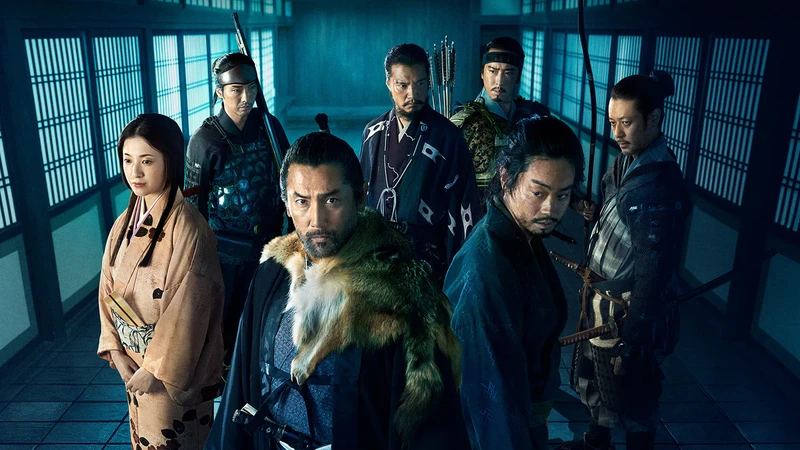
A escolha de Kurosawa é inesperada, mas muito inventiva. Ele apresenta o seu filme como se ele fosse um jogo de xadrez, com cada movimento muito bem pensado para evitar ao máximo o conflito e pensando muito mais em qual seria o próximo passo e nas consequências de cada jogada do que em necessariamente dar o próximo passo. Mas isso é feito de maneira reflexiva, o que é até inesperado para um filme de samurai.
Alguns elementos que são marca do seu cinema, como detalhes que aparecem como fantásticos, personagens um pouco desajustados às expectativas sociais e o isolamento também estão colocados ao longo do filme. Ele também apresenta personagens muito bem construídos no sentido de não serem moralmente perfeitos, mas sim interessantes para que o público queira saber mais sobre eles. Com isso, ele faz o filme se samurai mais introspectivo do que eu poderia imaginar, mas que mesmo assim permanece sendo muito bom.
The Samurai and the Prisoner (Japan, 2026)
Original Title: Kokurojo (黒牢城)
Director: Kiyoshi Kurosawa
Screenplay: Kiyoshi Kurosawa, based on the novel of the same name by Honobu Yonezawa
Main Cast: Masahiro Motoki, Masaki Suda, Yuriko Yoshitaka, Munetaka Aoki, Ryota Miyadate, Joe Odagiri
Running Time: 147 minutes
It’s good to have a filmmaker so multifaceted that you simply don’t know what to expect from his next film. This is the case with Kiyoshi Kurosawa, who has already worked on intense family dramas, mafia films, and even J-horror. In other words, when it was announced that he would make a samurai film about Murashige Araki’s rebellion against a despot in 16th-century Japan, this could have been done in many different ways.
Kurosawa’s choice is unexpected, but very inventive. He presents his film as if it were a game of chess, with each move carefully thought out to avoid conflict as much as possible, focusing much more on what the next step would be and the consequences of each move than on necessarily taking the next step. But this is done in a reflective way, which is even unexpected for a samurai film.
Some elements that are hallmarks of his cinema, such as details that appear fantastical, characters somewhat maladjusted to social expectations, and isolation, are also present throughout the film. He also presents very well-constructed characters in the sense that they are not morally perfect, but rather interesting enough for the audience to want to know more about them. With this, he makes the samurai film more introspective than I could have imagined, but it remains very good nonetheless.
Forever Your Maternal Animal (Bélgica, França, México, 2026)
Título Original: Siempre Soy Tu Animal Materno
Direção: Valentina Maurel
Roteiro: Valentina Maurel
Elenco principal: Daniela Marín Navarro, Mariangel Villegas, Marina de Tavira e Reinaldo Amién Gutiérrez
Duração: 100 minutos
Pensando na estrutura de um festival, parece estranho como tantos dramas familiares podem estar compilados em uma mesma programação. Ainda assim, Siempre Soy Tu Animal Materno consegue criar uma leve distinção tanto pela sua localização na Costa Rica quanto pela criação de personagens críveis e extremamente humanizados, que dão mais cor e tornam o filme mais profundo.
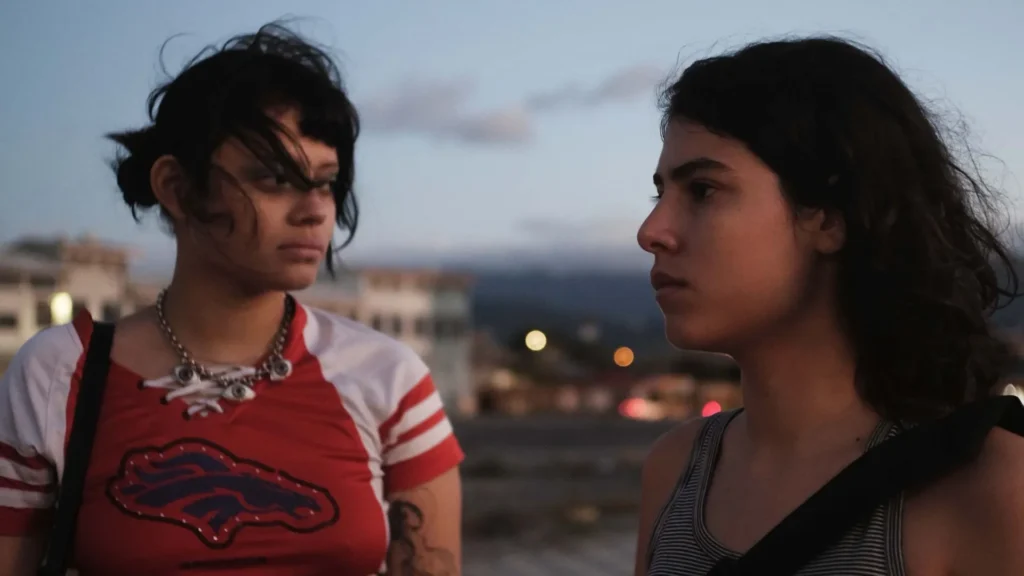
Seguimos Elsa, uma garota que estudou na Bélgica e retornou para seu país de origem apenas para ver como a situação de sua família está complicada. Sua irmã parece afundada em uma depressão paralisante e em um relacionamento com uma pessoa estranha, sua mãe está absorvida em um projeto de reedição de seus poemas da juventude e o pai está interessado em seus próprios dilemas amorosos. Ela passa então a navegar por todos esses núcleos buscando também reencontrar sua individualidade em seu país natal.
Aqui, a maior questão parece ser a forma que todos esses personagens são construídos, que fazem com que eles sempre lembrem alguma pessoa conhecida, seja por suas qualidades ou por seus defeitos. Entre, por exemplo, o pai afetivo, mas que tem uma namorada muito mais nova, o namorado bonzinho, mas que não vê futuro nenhum na relação, todos os personagens têm alguma contradição que os colocam na condição de humano, fazendo com que a relação do espectador com eles seja facilitada. Aqui citei personagens masculinos, mas o mesmo acontece com todas as mulheres, e por conta da boa transposição deste texto para as telas que as três atrizes foram premiadas no festival.
Além disso, também é interessante ver uma Costa Rica diferente da que os comerciais turísticos vendem para o resto do mundo, pautada em um ambiente urbano (San Jose) com altos e baixos como os de qualquer grande capital no mundo. Entre essa visão menos estereotipada do país e também de seus habitantes, o filme ganha muita força.
Forever Your Maternal Animal (Belgium, France, Mexico, 2026)
Original Title: Siempre Soy Tu Animal Materno
Director: Valentina Maurel
Screenplay: Valentina Maurel
Main Cast: Daniela Marín Navarro, Mariangel Villegas, Marina de Tavira and Reinaldo Amién Gutiérrez
Running Time: 100 minutes
Considering the structure of a festival, it seems strange how so many family dramas can be compiled into the same program. Even so, Siempre Soy Tu Animal Materno manages to create a slight distinction both for its setting in Costa Rica and for the creation of believable and extremely humanized characters, which add more color and make the film more profound.
We follow Elsa, a girl who studied in Belgium and returned to her country of origin only to see how complicated her family’s situation is. Her sister seems sunk in a paralyzing depression and in a relationship with a stranger, her mother is absorbed in a project to republish her youthful poems, and her father is preoccupied with his own romantic dilemmas. She then navigates through all these groups, also seeking to rediscover her individuality in her native country.
Here, the biggest issue seems to be the way all these characters are constructed, which makes them always reminiscent of someone known, whether through their qualities or their flaws. For example, the affectionate father who has a much younger girlfriend, the nice boyfriend who sees no future in the relationship — all the characters have some contradiction that makes them human, facilitating the viewer’s connection with them. Here I’ve mentioned male characters, but the same happens with all the women, and it’s because of the successful adaptation of this text to the screen that the three actresses were awarded at the festival.
Furthermore, it’s also interesting to see a Costa Rica different from the one that tourist commercials sell to the rest of the world, based on an urban environment (San Jose) with the highs and lows like any major capital city in the world. Between this less stereotypical view of the country and its inhabitants, the film gains considerable strength.
Ben’imana (Ruanda, Gabão, França, Noruega, Costa do Marfim, 2026)
Título Original: Ben’imana
Direção: Marie-Clémentine Dusabejambo
Roteiro: Marie-Clémentine Dusabejambo e Delphine Agut
Elenco principal: Clémentine U. Nyirinkindi, Isabelle Kabano, Kesia Kelly Nishimwe, Leocadie Uwabeza, Antoinette Uwamahoro, Aime Valens Tuyisenge
Duração: 101 minutos
Ruanda é um país que ficou muito marcado no cenário geopolítico internacional por conta dos confrontos entre tutsis e hutus em 1994, retratado cinematograficamente em Hotel Ruanda (2004). O filme foi indicado aos Oscars e fez com que o primeiro contato de muitas pessoas com o país fosse através dele, inclusive dessa crítica que vos fala. Ben’imana vem para trazer o mesmo assunto através de um viés completamente diferente. Após o conflito, com uma população extremamente diluída e machucada fisicamente e mentalmente, eles instauraram tribunais populares, os Gacaca, nos quais a própria comunidade falava sobre seus vizinhos ou conhecidos e eles eram julgados por uma pessoa íntegra escolhida por eles mesmos. É nesse cenário, em 2012, que conhecemos a história de uma mãe (Vénéranda) e sua filha adolescente que estão passando pelo momento de reconstrução de seu país, sendo que a mãe trabalha na recomposição das vítimas através do diálogo e do perdão.
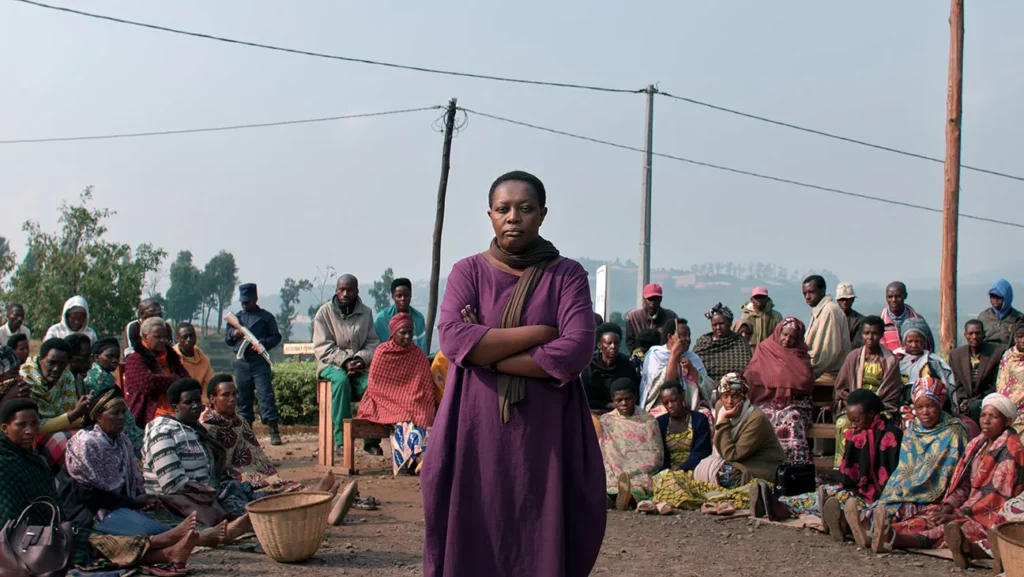
Temos todo o questionamento sobre um país que está tentando superar um trauma coletivo, sendo que as consequências do conflito ainda estão em feridas abertas. O filme acerta ao colocar uma contradição através do conflito com sua filha, que namora um garoto da etnia que promoveu o massacre. Assim, temos aquela sensação de “tudo bem, desde que não seja com a minha filha” que pessoas de qualquer minoria já ouviram em casa, e mesmo que esteja em um contexto extremamente específico, cria-se uma ligação imediata com o público. Além disso, é muito bom poder ver o país se auto representando, ao invés de depender do cinema estrangeiro para isso. Temos uma noção maior de sua cultura popular, seja através do cantar e dançar, do ritmo da fala ou até mesmo da forma que as casas eram construídas.
O filme foi uma grata surpresa em meio a um festival tão europeu.
Ben’imana (Rwanda, Gabon, France, Norway, Ivory Coast, 2026)
Original Title: Ben’imana
Director: Marie-Clémentine Dusabejambo
Screenplay: Marie-Clémentine Dusabejambo and Delphine Agut
Main Cast: Clémentine U. Nyirinkindi, Isabelle Kabano, Kesia Kelly Nishimwe, Leocadie Uwabeza, Antoinette Uwamahoro, Aime Valens Tuyisenge
Running Time: 101 minutes
Rwanda is a country that became deeply ingrained in the international geopolitical scene due to the clashes between Tutsis and Hutus in 1994, portrayed cinematically in Hotel Rwanda (2004). The film was nominated for Oscars and marked many people’s first contact with the country through it, including this critic. Ben’imana addresses the same subject from a completely different perspective. After the conflict, with a population extremely diluted and physically and mentally wounded, they established people’s courts, the Gacaca, in which the community itself spoke about their neighbors or acquaintances, and they were judged by an upright person chosen by themselves. It is in this scenario, in 2012, that we learn the story of a mother (Vénéranda) and her teenage daughter who are going through the reconstruction of their country, with the mother working on the reconciliation of the victims through dialogue and forgiveness.
So there are all the issues of a country trying to overcome collective trauma, with the consequences of the conflict still fresh in wounds. The film succeeds in presenting a contradiction through the conflict with her daughter, who is dating a boy from the ethnic group that carried out the massacre. Thus, we have that feeling of “it’s okay, as long as it’s not my daughter” that people from any minority have heard at home, and even though it is in an extremely specific context, it creates an immediate connection with the audience. Furthermore, it’s wonderful to see the country representing itself, instead of relying on foreign cinema for that. We gain a greater understanding of its popular culture, whether through singing and dancing, the rhythm of speech, or even the way houses were built.
The film was a pleasant surprise amidst such a European festival.
Elephants in the Fog (Nepal, França, Alemanha, Brasil, Noruega, 2026)
Título Original: Tinihāru (तिनीहरू)
Direção: Abinash Bikram Shah
Roteiro: Abinash Bikram Shah
Elenco principal: Pushpa Thing Lama, Deepika Yadav, Jasmine Bishwokarma, Aliz Ghimire, Dura Sanjay Gupta
Duração: 103 minutos
É falando em gratas surpresas que aparece Elephants in the Fog, filme do Nepal que retrata a líder de uma comunidade Kinnar (as pessoas trans conhecidas no Ocidente como terceiro gênero), Pirati. Ela tenta equilibrar seu papel como mãe de três mulheres, uma espécie de conselheira espiritual, de cidadã de um vilarejo onde elefantes selvagens costumam aparecer e ainda tenta levar uma vida normal com o homem pelo qual é apaixonada, algo proibido em sua posição.
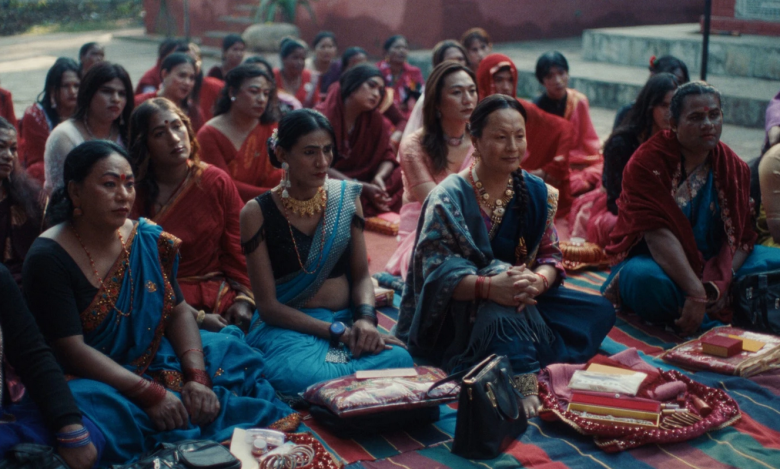
Novamente, o filme causa um encanto visual por percebermos que é um retrato autônomo sobre essas pessoas e essa situação, ainda que obviamente ficcionalizado. Podemos adentrar um mundo que dificilmente nos seria possível através da magia do cinema, e isso relembra os motivos para se estar vendo seu quarto ou quinto filme naquele dia. Entre os belos saris, a mistura cultural nepalesa e os pequenos rituais das Kinnar, é apenas quando uma de suas filhas desaparece que nos lembramos de todo o preconceito que elas mesmas sofrem. É uma dualidade sofrida, mas interessantemente abordada em telas.
O trabalho de som também é impressionante, e não digo isso apenas por ser uma colaboração com uma equipe brasileira. Entre sons do vento e de seus sinos, a ameaça constante dos elefantes e a mistura com o cenário urbano quando necessário, ele ajuda muito a dar o tom do filme. Outro destaque é Pushpa Thing Lama, força motriz do filme e que nos permite adentrar nessa jornada.
Elephants in the Fog (Nepal, France, Germany, Brazil, Norway, 2026)
Original Title: Tinihāru (तिनीहरू)
Director: Abinash Bikram Shah
Screenplay: Abinash Bikram Shah
Main Cast: Pushpa Thing Lama, Deepika Yadav, Jasmine Bishwokarma, Aliz Ghimire, Dura Sanjay Gupta
Running Time: 103 minutes
Speaking of pleasant surprises, Elephants in the Fog appears, a film from Nepal that portrays Pirati, the leader of a Kinnar community (transgender people known in the West as a third gender). She tries to balance her role as a mother of three women, a kind of spiritual advisor, a citizen of a village where wild elephants often appear, and also tries to lead a normal life with the man she is in love with, something forbidden in her position.
Again, the film is visually captivating because it’s an autonomous portrait of these people and their situation, albeit obviously fictionalized. We can enter a world that would be difficult to access through the magic of cinema, and this reminds us why we might be watching our fourth or fifth film that day. Among the beautiful saris, the Nepalese cultural mix, and the small rituals of the Kinnar, it’s only when one of their daughters disappears that we remember all the prejudice they themselves suffer. It’s a painful duality, but interestingly portrayed on screen.
The sound work is also impressive, and I don’t say this just because it’s a collaboration with a Brazilian team. Between the sounds of the wind and its bells, the constant threat of the elephants, and the blending with the urban setting when necessary, it greatly helps to set the tone of the film. Another highlight is Pushpa Thing Lama, the driving force of the film and what allows us to embark on this journey.
Notre Salut (França, Bélgica, 2026)
Título Original: Notre Salut (A Man of His Time / Nossa Salvação)
Direção: Emmanuel Marre
Roteiro: Emmanuel Marre
Elenco principal: Swann Arlaud (Henri Marre), Sandrine Blancke (Paulette Marre), Mathieu Perotto (Gasque), Harpo Guit, Mathilde Abd-El-Kader (Corinne), Jean-Baptiste Marre
Duração: 155 minutos
Este festival de Cannes foi estranhamente focado em filmes que envolvem as guerras travadas no início do século XX. Aqui, nós mergulhamos na história dos bisavós do diretor, que estavam em Vichy durante o regime de Pétain. Caso você, como eu, não seja um especialista em história francesa, ali se instaurou um regime não governado por nazistas, mas que voluntariamente se uniu a eles por acreditarem que essa seria a melhor coisa a se fazer após a invasão alemã.
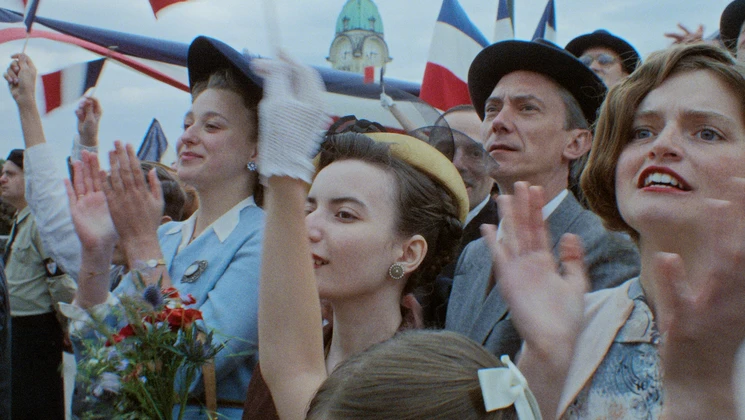
O filme então vai falar sobre esse burocrata que acredita estar fazendo a coisa certa, mas que está colaborando fortemente para todos os horrores da II Guerra Mundial. Se a temática pode parecer interessante em um primeiro momento, rapidamente o filme fará com que se repense no assunto. Infelizmente, ele se coloca extremamente distante do seu público, como se houvesse uma barreira intransponível para se acessar a sua história. Ele se pauta em pedaços muito cotidianos da vida do personagem, mas que não conseguem criar um real impacto emocional em quem assiste, a não ser que essa pessoa seja muito interessada nesse período específico da história francesa. Parece que o diretor aproveita a chance de ter descoberto uma verdade dura sobre a sua família para expô-la ao mundo, mas não se interessa em torná-la mais intrigante a quem assiste.
A Man of His Time (France, Belgium, 2026)
Original Title: Notre Salut (A Man of His Time / Our Salvation)
Director: Emmanuel Marre
Screenplay: Emmanuel Marre
Main Cast: Swann Arlaud (Henri Marre), Sandrine Blancke (Paulette Marre), Mathieu Perotto (Gasque), Harpo Guit, Mathilde Abd-El-Kader (Corinne), Jean-Baptiste Marre
Running Time: 155 minutes
This Cannes Film Festival was strangely focused on films involving the wars fought at the beginning of the 20th century. Here, we delve into the story of the director’s great-grandparents, who were in Vichy during the Pétain regime. In case you, like me, are not an expert on French history, a regime not governed by Nazis was established there, but one that voluntarily allied itself with them, believing that this would be the best thing to do after the German invasion.
The film then goes on to talk about this bureaucrat who believes he is doing the right thing, but who is heavily contributing to all the horrors of World War II. While the theme may seem interesting at first, the film quickly makes you rethink the subject. Unfortunately, it positions itself extremely distant from its audience, as if there were an insurmountable barrier to accessing its story.
It focuses on very everyday snippets of the character’s life, but these fail to create a real emotional impact on the viewer, unless that person is very interested in this specific period of French history. It seems that the director takes advantage of having discovered a harsh truth about his family to expose it to the world, but is not interested in making it more intriguing for the viewer.