
The Unknown (França, Itália, 2026)
Título Original: L’Inconnue
Direção: Arthur Harari
Roteiro: Arthur Harari, Lucas Harari, Vincent Poymiro
Elenco principal: Léa Seydoux, Niels Schneider, Victoire Du Bois, Radu Jude, Valérie Dréville, Lilith Grasmug
Duração: 139 min (2h 19min)
É difícil pensar em um filme que seja um cruzamento entre Sexta-Feira Muito Louca (2003) e Corrente do Mal (2014), certo? Talvez seja justamente por isso que The Unknown acaba se tornando uma obra bastante estranha.
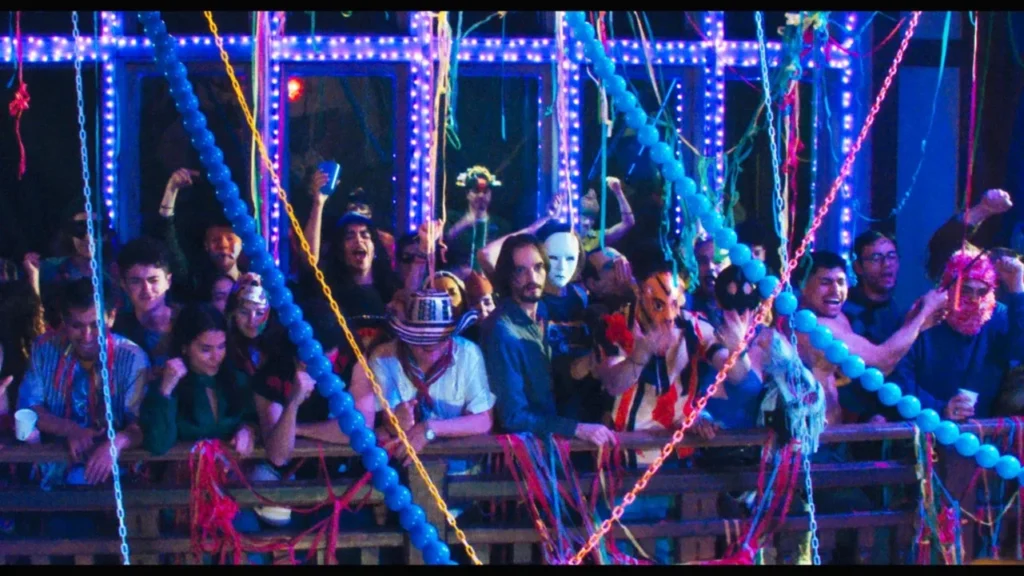
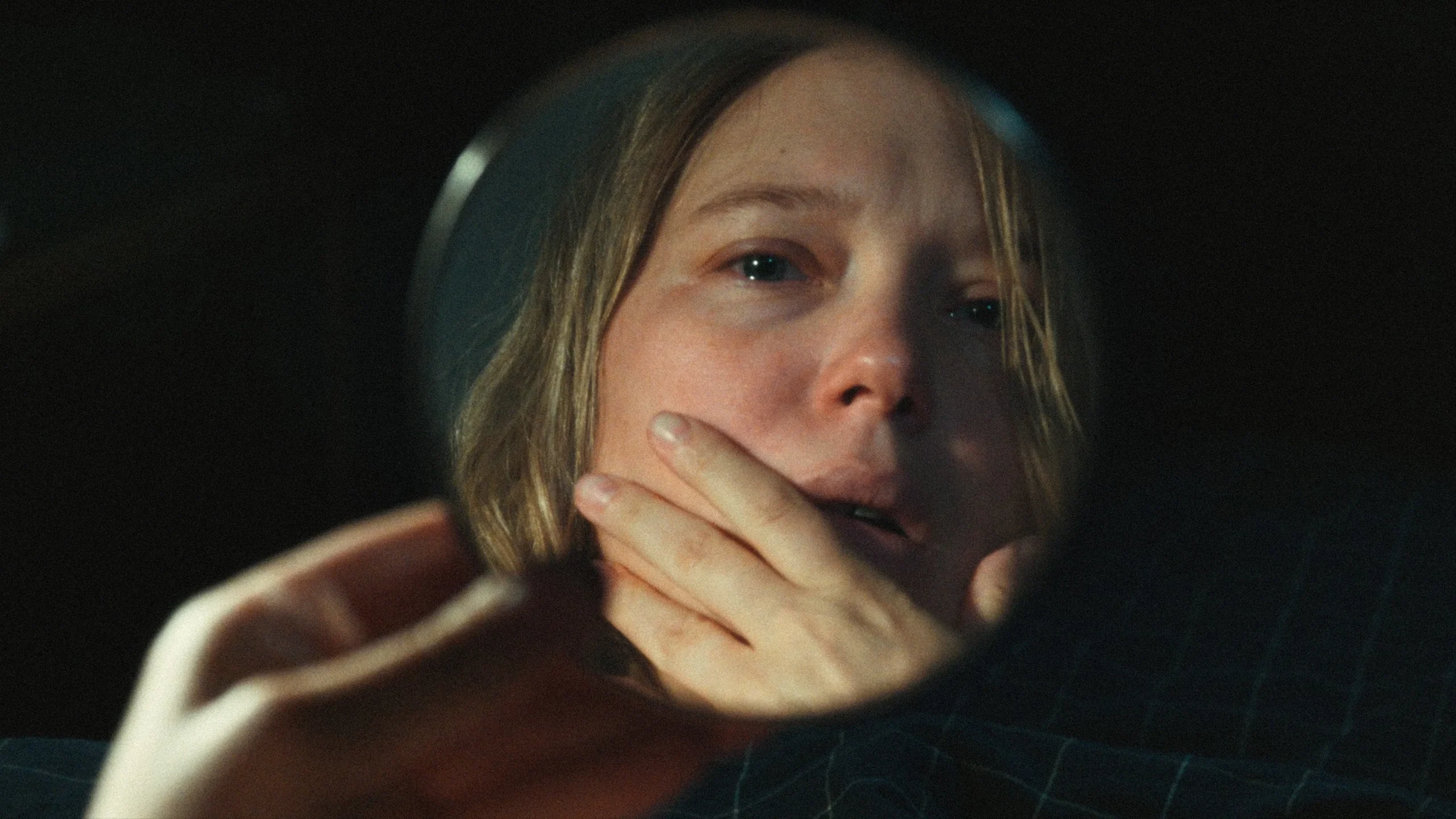
A obra se inicia com o fotógrafo David (Niels Schneider) fazendo um trabalho de busca de um local específico para tirar uma foto e retornar para a sua casa em um cotidiano que podemos entender como bastante solitário. Quando ele vai para uma festa, praticamente obrigado pelos seus amigos, ele acaba encontrando uma mulher que aparece em uma de suas fotos penduradas no apartamento e parte para um sexo casual com ela. Após uma experiência bastante peculiar, ele acorda no outro dia com uma sensação estranha, e logo descobre: na verdade, a experiência sexual fez com que ele trocasse de corpo com a mulher (interpretada por Léa Seydoux).
Partimos então para um filme sobre troca de corpo e uma busca pela solução de retorno, mas que acontece de uma maneira muito mais melancólica do que a comédia ou o terror anteriormente citados. David (agora interpretado por Léa Seydoux) segue em seu personagem de baixa energia em busca de dicas sobre o que aconteceu ou até mesmo sobre outras vítimas dessa confusão, e acaba encontrando Malia (Victoire Du Bois), uma adolescente que no momento está habitando o seu corpo.
Ainda que exista uma discussão sobre identidade e como ela está relacionada ao gênero, algo que incomoda é a oportunidade perdida para tratar de maneira mais profunda questões como a disforia de gênero, que encontra aqui uma oportunidade perfeita. Isso porque os personagens têm muita dificuldade em se comunicar, então qualquer situação que envolva uma maior expressão de seus sentimentos é rapidamente tirada de cena. Ao invés disso, ficamos com ambos buscando alguma dica sobre qual poderia ser a solução para os seus problemas e evitando a sua vida pregressa.
O filme parece um exercício de como transformar uma história já contada diversas vezes em um drama que caia no vazio existencial dos adultos e jovens franceses. Entre a falta de reconhecimento do próprio trabalho e a incapacidade de alcançar os seus próprios objetivos, eles acabam precisando de algo que os mova por eles. Ainda se considerarmos essa interpretação, temos um final extremamente desesperançoso (e inegavelmente extremamente alongado).
Existe uma preocupação em mostrar uma Paris menos turística, mas a opção de Harari por situações e locações tão mundanas não fazem sentido artístico com esse protagonista que é pego por um mistério e que tem como profissão a fotografia. Parece que se faz uma escolha de se colocar contra qualquer fotogenia, mas sem que isso se coloque como manifestação de um conceito, apenas uma escolha de colocar em tela apenas aquilo absolutamente trivial. Só que, para quem assiste o filme, estar preso entre uma trama circular e um aspecto técnico tão mediano torna toda a experiência ainda mais frustrante.
É até estranho perceber que o roteiro vem da mesma pessoa que escreveu Anatomia de Uma Queda, mas o que também indica o quanto a direção pode fazer a diferença em uma obra.
In English, translated by Renata Torres:
The Unknown (France, Italy, 2026)
Original Title: L’Inconnue
Director: Arthur Harari
Screenplay: Arthur Harari, Lucas Harari, Vincent Poymiro
Main Cast: Léa Seydoux, Niels Schneider, Victoire Du Bois, Radu Jude, Valérie Dréville, Lilith Grasmug
Running Time: 139 min
It’s difficult to imagine a film that’s a cross between Freaky Friday (2003) and It Follows (2014), right? Perhaps that’s precisely why The Unknown ends up being quite a strange work.
The film begins with photographer David (Niels Schneider) searching for a specific location to take a photo and returning home in a daily routine that we can understand as quite lonely. When he goes to a party, practically forced by his friends, he ends up meeting a woman who appears in one of his photos hanging in his apartment and engages in casual sex with her. After a rather peculiar experience, he wakes up the next day with a strange feeling, and soon discovers: in fact, the sexual experience caused him to switch bodies with the woman (played by Léa Seydoux).
We then move on to a film about body swapping and a search for a way back, but one that unfolds in a much more melancholic way than the comedy or horror previously mentioned. David (now played by Léa Seydoux) continues in his low-energy persona searching for clues about what happened or even about other victims of this mix-up, and ends up finding Malia (Victoire Du Bois), a teenager who is currently inhabiting his body.
Although there is a discussion about identity and how it relates to gender, something that is bothersome is the missed opportunity to address issues such as gender dysphoria more deeply, which finds a perfect opportunity here. This is because the characters have great difficulty communicating, so any situation involving a greater expression of their feelings is quickly removed from the scene. Instead, we are left with both of them searching for some clue about what the solution to their problems might be and avoiding their past lives.
The film seems like an exercise in how to transform a story already told many times into a drama that falls into the existential void of French adults and young people. Between the lack of recognition for their own work and the inability to achieve their own goals, they end up needing something to motivate them. Even considering this interpretation, we have an extremely hopeless (and undeniably extremely drawn-out) ending.
There is a concern to show a less touristy Paris, but Harari’s choice of such mundane situations and locations doesn’t make artistic sense with this protagonist who is caught up in a mystery and whose profession is photography. It seems like a choice is made to oppose any photogenic quality, but without this being a manifestation of a concept, just a choice to put only the absolutely trivial on screen. However, for those watching the film, being trapped between a circular plot and such mediocre technical aspects makes the whole experience even more frustrating.
It’s even strange to realize that the screenplay comes from the same person who wrote Anatomy of a Fall (2023), but that also indicates how much direction can make a difference in a work.
Obrigada, Aline Guevara, pelo apoio! Se você quiser ver o seu nome nas próximas críticas, não esqueça que o financiamento coletivo segue aberto em https://www.kickante.com.br/financiamento-coletivo/ajude-o-no-sofa-com-gatos.