
Ink (Reino Unido, 2026)
Título Original: Ink
Direção: Danny Boyle
Roteiro: James Graham
Elenco principal: Jack O’Connell, Guy Pearce, Claire Foy, Blake Harrison, Patrick Kennedy, Angus Imrie e Brian Gleeson
Duração: 116 minutos (1h 56 min)
Distribuição: Netflix
Pensando na crise atual que vivemos com as fake news e o jornalismo, todo e qualquer filme que seja realizado que se proponha a lidar com essa questão imediatamente terá uma grande atenção do público. Juntar isso ao nome de Danny Boyle, famoso por filmes como Trainspotting (1996) e Contágio (2002) parece ser uma decisão bastante popular, mas nem sempre um caminho tido como certo leva a um filme realmente grandioso.
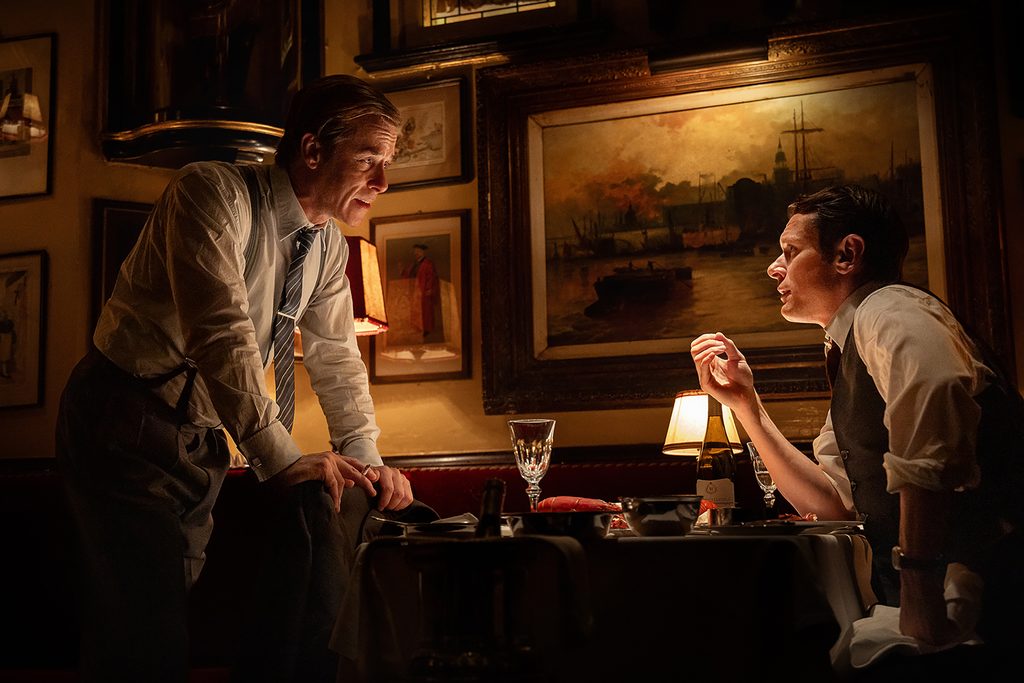
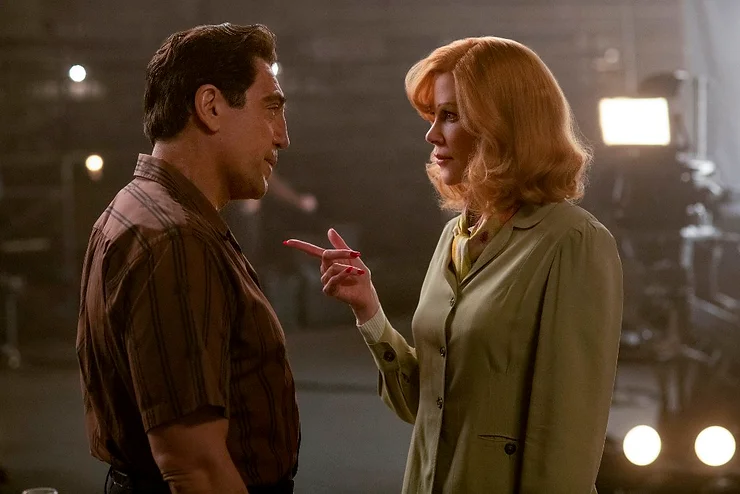
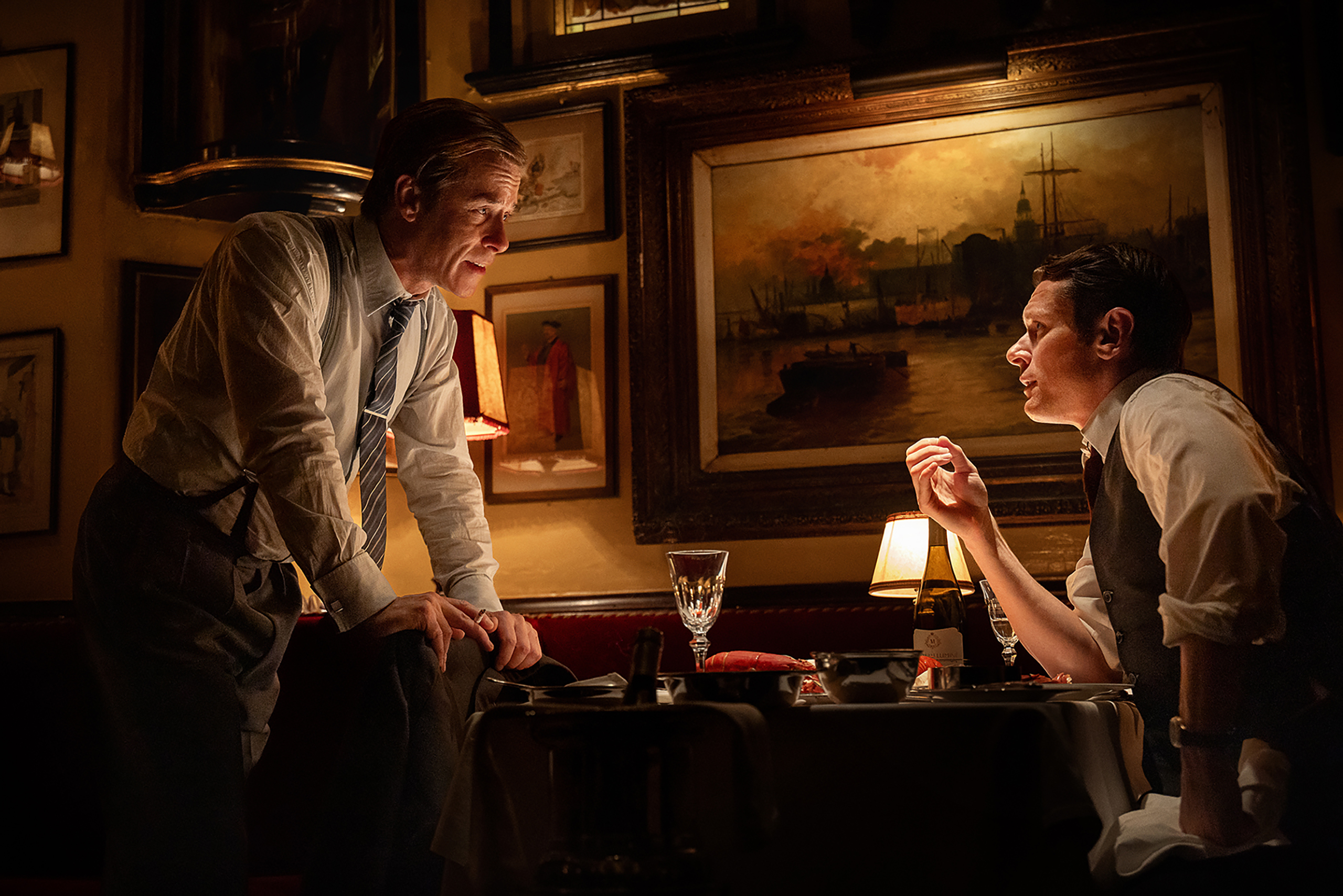
O filme conta a história sobre a ascensão do tabloide britânico The Sun à popularidade após a sua compra pelo magnata Rupert Murdoch (Guy Pearce) e consequente contratação de Larry Lamb (Jack O’Connell) como seu editor-chefe. Buscando as coisas que o fariam disparar na briga por uma fatia de mercado, ele se joga na direção dos assuntos populares: crimes, drogas, mulheres, televisão e tudo mais que possa chamar atenção do cansado trabalhador. Tirando uma camada da seriedade típica dos jornais e ao mesmo tempo removendo um elemento de consistência de seu conteúdo, esse foi um momento muito decisivo para que se escalasse para o que temos atualmente como modelo de notícias populistas, e escolher retratá-lo em 2026 é elementar, mesmo que ele já esteja de certa forma presente no cinema clássico desde Cidadão Kane (1941).
Danny Boyle é um diretor conhecido pelo seu estilo dinâmico tanto de filmagem quanto de edição, e isso ajuda bastante na primeira metade do filme, quando são apresentados diversos personagens e situações e é necessário que o espectador tenha uma compreensão, mesmo que básica, de quais são esses elementos. Passando rapidamente por negociações colocando o foco sempre na página dobrada com o valor de contratação, o filme deixa claro que nesse primeiro momento, todas as pessoas têm o seu preço. Só que é impossível manter toda a obra nesse mesmo ritmo, e quando ele começa a tentar se aprofundar nos personagens e nas consequências que esses acontecimentos têm no futuro na segunda parte do longa, o resultado não é tão satisfatório. Ao mesmo tempo em que se sente que ele não consegue explorar a profundidade das motivações dos seus personagens, também pega excessivamente o espectador pelas mãos para ligar os pontos entre presente e passado.
É impossível também não tocar na questão do uso da IA generativa no filme. Em um momento no qual tecnologias e artistas estão vivendo um embate, fala-se muito sobre quais papeis cada um dos grandes nomes da indústria está assumindo. Ao não apenas admitir o uso da ferramenta, como também defender que não demitiu atores para isso, ele minimiza uma discussão enorme que vai desde direitos autorais até quais os limites éticos do uso de imagens. Acreditar que, por utilizar apenas alguns segundos de imagens no longa, e ainda tratar o assunto levianamente, o diretor consegue mostrar o quanto a mensagem do seu próprio filme ainda é relativizada.
Mesmo que seja uma escolha que faz sentido para uma obra que exige uma certa autoria formal, com isso a escolha do diretor acaba sendo muito menos justificada. Abrir uma discussão como essa é inevitável e necessário, mas o modo com que isso foi tratado foi realmente uma prova de que o temido futuro indefinido já chegou.
Ink (UK, 2026)
Original Title: Ink
Director: Danny Boyle
Writer: James Graham
Cast: Jack O’Connell, Guy Pearce, Claire Foy, Blake Harrison, Patrick Kennedy, Angus Imrie, and Brian Gleeson
Runtime: 116 minutes (1h 56m)
Distribution: Netflix
Given the current crisis surrounding fake news and journalism, any film that sets out to tackle this issue is bound to attract significant public attention. Pairing this subject matter with the name of Danny Boyle — renowned for films like Trainspotting (1996) and 28 Days Later (2002) — seems like a sure-fire move; however, a seemingly safe bet does not always result in a truly great film.
The film chronicles the rise of the British tabloid The Sun following its acquisition by media mogul Rupert Murdoch (Guy Pearce) and the subsequent hiring of Larry Lamb (Jack O’Connell) as editor-in-chief. Seeking the formula that would propel the paper to the top of the market share battle, Lamb steers the publication toward populist topics: crime, drugs, women, television, and anything else capable of grabbing the attention of the weary working-class reader. By stripping away the traditional seriousness of newspapers, and simultaneously eroding the consistency of their content, this era marked a pivotal shift toward the model of populist news we see today; choosing to depict this story in 2026 is a crucial move, even though the theme has been present in cinema since Citizen Kane (1941).
Danny Boyle is known for his dynamic directing and editing style, which serves the film well in the first half — a section that introduces a multitude of characters and situations, requiring the viewer to grasp, at least on a basic level, the nature of these elements. By breezing through negotiations, always focusing on the contract page showing the fee, the film makes it clear that, at this initial stage, everyone has a price. However, it is impossible to sustain that same pace throughout the entire work; when the film attempts to delve deeper into the characters and the future consequences of these events during its second half, the results are less than satisfactory. While the film fails to fully explore the depth of its characters’ motivations, it simultaneously takes the viewer by the hand a bit too much when connecting the dots between past and present.
It is also impossible to avoid the issue of the film’s use of generative AI. At a time when technology and artists are locked in conflict, there is much discussion regarding the roles major industry figures are adopting. By not only admitting to using the tool but also insisting that no actors were fired because of it, the director downplays a massive debate that encompasses everything from copyright issues to the ethical boundaries of image usage. The fact that he treats the matter so lightly — despite using only a few seconds of such footage — demonstrates just how easily the message of his own film is undermined.
Even if the choice makes sense for a work demanding a distinct formal signature, the director’s decision ultimately feels far less justified. While sparking such a discussion is both inevitable and necessary, the way the issue was handled truly proves that the dreaded, uncertain future has already arrived.