
Fatherland (Reino Unido/Polônia/França, 2026)
Título Original: Fatherland
Direção: Paweł Pawlikowski
Roteiro: Paweł Pawlikowski e Henk Handloegten
Elenco principal: Sandra Hüller, Hanns Zischler, August Diehli, Devid Striesow, Anna Madeley
Duração: 82 minutos
Talvez a Segunda Guerra Mundial seja um dos momentos históricos mais retratados na história do cinema. Pela coincidência da criação da arte na virada para o século XX seguida pelas Primeira e Segunda Guerras na primeira metade do século, ela não apenas foi mostrada em tempo real em cinejornais como o cinema foi usado como propaganda pelo regime nazista. Desde então, uma infinidade de filmes foi realizada tanto sobre o conflito quanto sobre as suas consequências na geopolítica global até a atualidade.
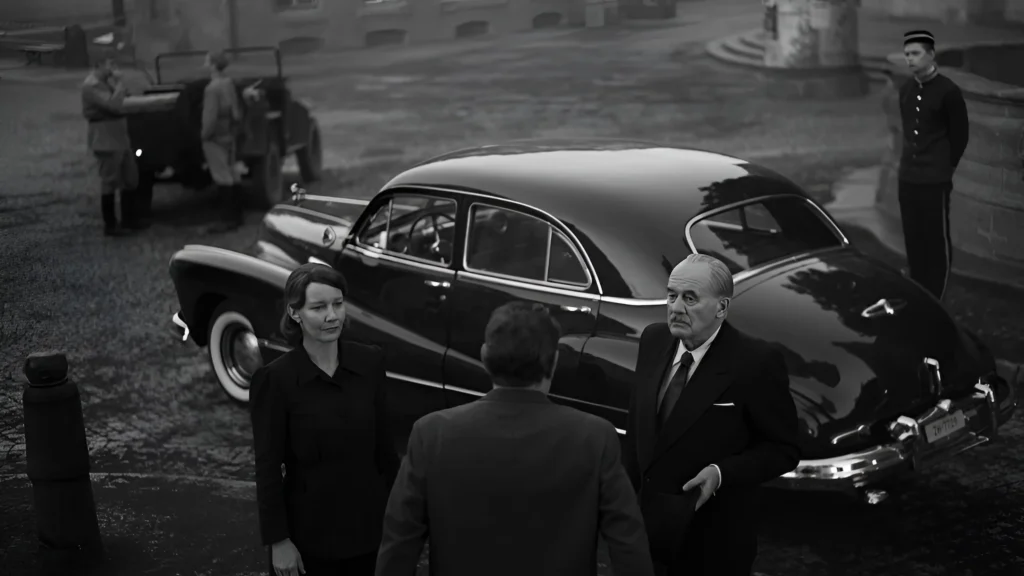
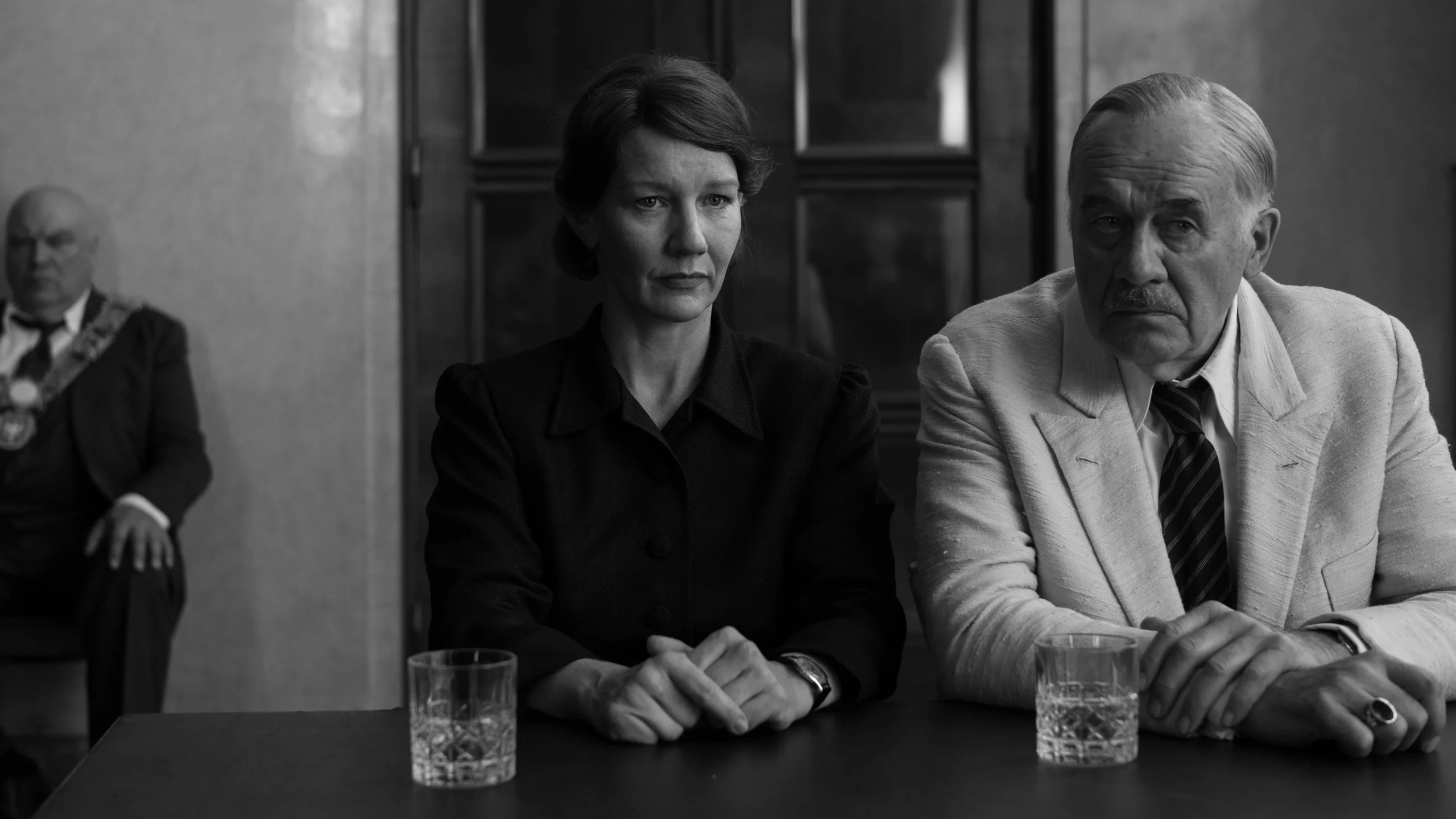
A aproximação do assunto a partir de Thomas Mann (Hanns Zischler) é o elemento mais criativo do longa-metragem, dado que a sua trajetória pessoal se confunde bastante com a história do seu país de origem. Casado com uma mulher judia, ele deixa a Alemanha logo que o nazismo começa a se espalhar, buscando refúgio inicialmente na Suíça, e depois nos EUA. Mas o momento que é retratado no filme é o seu retorno à Alemanha, recebendo homenagens em diversas cidades e compreendendo a real situação do pós-guerra. Mais do que isso, ainda há o elemento de sua família extremamente fragmentada, e de sua saúde fragilizada dada a sua idade avançada.
Em relação ao estilo cinematográfico, o filme segue bem o que já fora apresentado em seus dois filmes anteriores, Ida e Guerra Fria, parecendo criar uma trilogia de volta às suas origens polonesas. O que talvez separe este filme dos dois anteriores é que a paixão que o move a contar histórias relacionadas à sua origem e aos seus conflitos mais pessoais aqui ganha uma dimensão de um problema de uma ordem mais global, por mais que se tente aproximar o público das figuras dessa família. Existe uma barreira de academicismo que é difícil transpor, principalmente se o espectador chega à obra sem saber muito sobre os acontecimentos prévios. Não é impossível acompanhar a obra se não houver esse conhecimento, mas certamente ela se torna mais complexa de compreender. Se o filme acaba não se sustentando completamente sozinho, isso funciona como um impeditivo ao seu consumidor final, que é o público geral – ainda que neste caso estejamos falando sobre a estreia dentro de um festival de cinema.
Juntando um rigor técnico que já conhecemos e que não traz novas propostas a um roteiro que retrata um homem pouco acessível e que não consegue se colocar nos dramas de sua própria vida, mesmo com a curta duração, é muito fácil que o filme se torne maçante. Talvez, como se brinca dentro do cinema, a maldição do último filme da trilogia tenha acabado acertando Pawlikowski, ou talvez ele simplesmente tenha preferido uma aproximação diferente que não funcionou bem com seu estilo já facilmente reconhecível.
In English, translated by Renata Torres:
Fatherland (United Kingdom/Poland/France, 2026)
Original Title: Fatherland
Director: Paweł Pawlikowski
Screenplay: Paweł Pawlikowski and Henk Handloegten
Main Cast: Sandra Hüller, Hanns Zischler, August Diehli, Devid Striesow, Anna Madeley
Running Time: 82 minutes
Perhaps World War II is one of the most portrayed historical moments in the history of cinema. Due to the coincidence of the art form’s creation at the turn of the 20th century, followed by the First and Second World Wars in the first half of the century, it was not only shown in real time in newsreels, but cinema was also used as propaganda by the Nazi regime. Since then, countless films have been made about both the conflict and its consequences on global geopolitics to the present day.
The approach to the subject matter through the perspective of Thomas Mann (Hanns Zischler) is the most creative element of the film, given that his personal trajectory is closely intertwined with the history of his country of origin. Married to a Jewish woman, he leaves Germany as Nazism begins to spread, initially seeking refuge in Switzerland, and later in the USA. But the moment portrayed in the film is his return to Germany, receiving tributes in various cities and understanding the true post-war situation. Beyond that, there is also the element of his extremely fragmented family and his fragile health due to his advanced age.
In terms of cinematic style, the film closely follows what was presented in his two previous films, Ida (2013) and Cold War (Zimna wojna, 2018), seemingly creating a trilogy returning to his Polish origins. What perhaps sets this film apart from the previous two is that the passion that drives him to tell stories related to his origins and his most personal conflicts here takes on the dimension of a more global problem, however much he tries to bring the audience closer to the figures in this family. There is a barrier of academicism that is difficult to overcome, especially if the viewer approaches the work without knowing much about the previous events. It is not impossible to follow the work without this knowledge, but it certainly becomes more complex to understand. If the film does not completely stand on its own, this acts as an impediment to its final consumer, which is the general public – even though in this case we are talking about its premiere at a film festival.
Combining a technical rigor that we already know and that does not bring new proposals with a script that portrays a man who is not very approachable and who cannot place himself in the dramas of his own life, even with its short duration, it is very easy for the film to become tedious. Perhaps, as the saying goes in filmmaking, the curse of the last film in the trilogy ended up catching up with Pawlikowski, or perhaps he simply preferred a different approach that didn’t work well with his already easily recognizable style.
Obrigada, Aline Guevara, pelo apoio! Se você quiser ver o seu nome nas próximas críticas, não esqueça que o financiamento coletivo segue aberto em https://www.kickante.com.br/financiamento-coletivo/ajude-o-no-sofa-com-gatos.