
Shana (França, 2026)
Título Original: Shana
Direção: Lila Pinell
Roteiro: Lila Pinell
Elenco principal: Eva Huault, Noémie Lvovsky, Palachandiran Thyshaant
Duração: 83 min
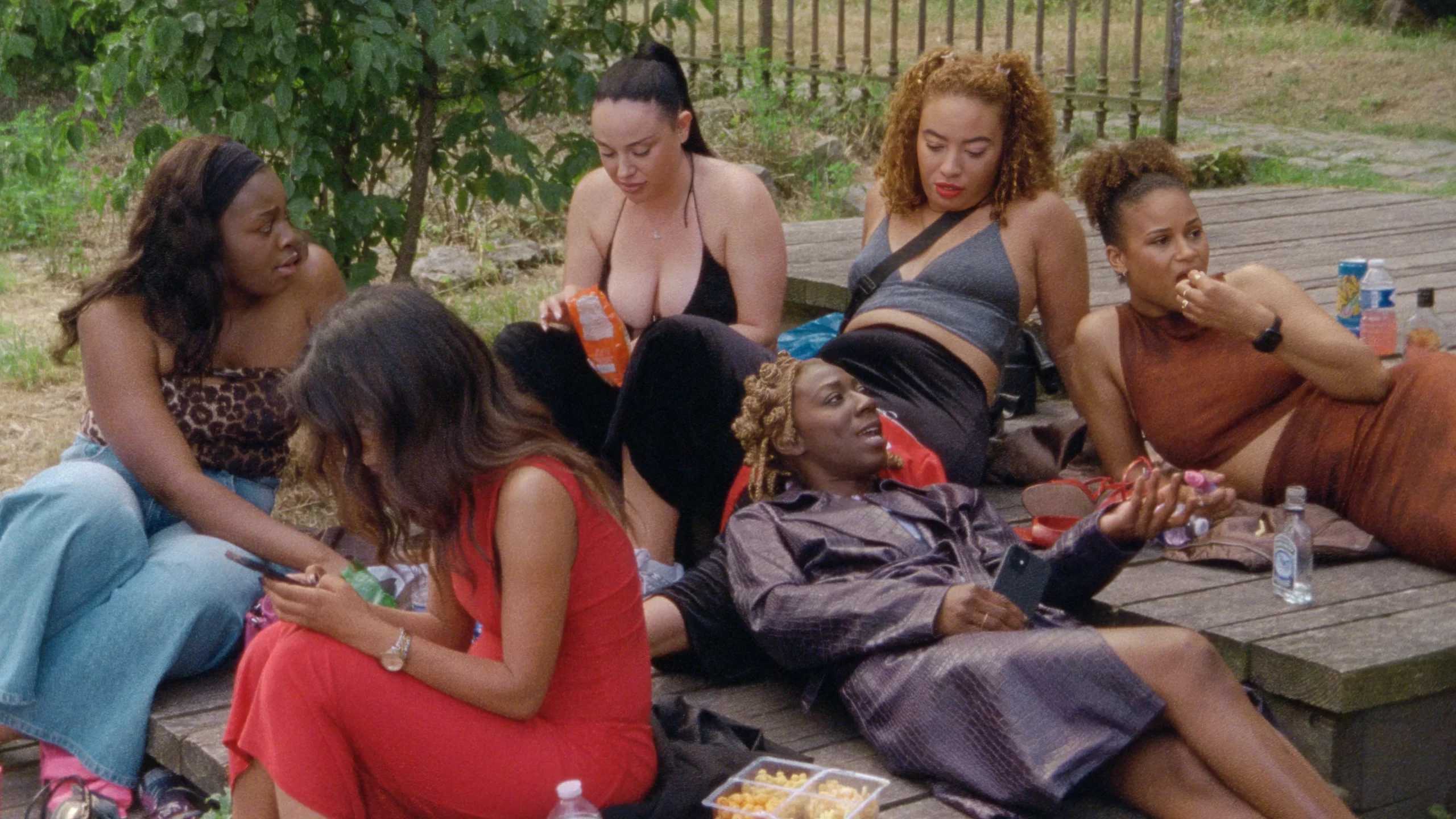
Como em um conto de fadas macabro, as primeiras imagens que nos são apresentadas ao início do filme Shana são as pragas bíblicas descritas no Antigo Testamento que foram enviadas ao Egito para forçar o Faraó a terminar com a escravidão dos hebreus. Dessas imagens de vermes, gafanhotos, abortos e outras situações horríveis, passamos a um grupo de amigos jogando o que popularmente conhecemos como “Cidade Dorme”. Só que quando a nossa protagonista Shana (Eva Huault) é morta pelos lobisomens no jogo, ela não consegue ficar quieta e causa uma grande confusão entre os amigos. Essa cena é tudo que precisamos para compreender sua personalidade, que permanecerá em explosões cada vez mais intensas com o decorrer da obra.
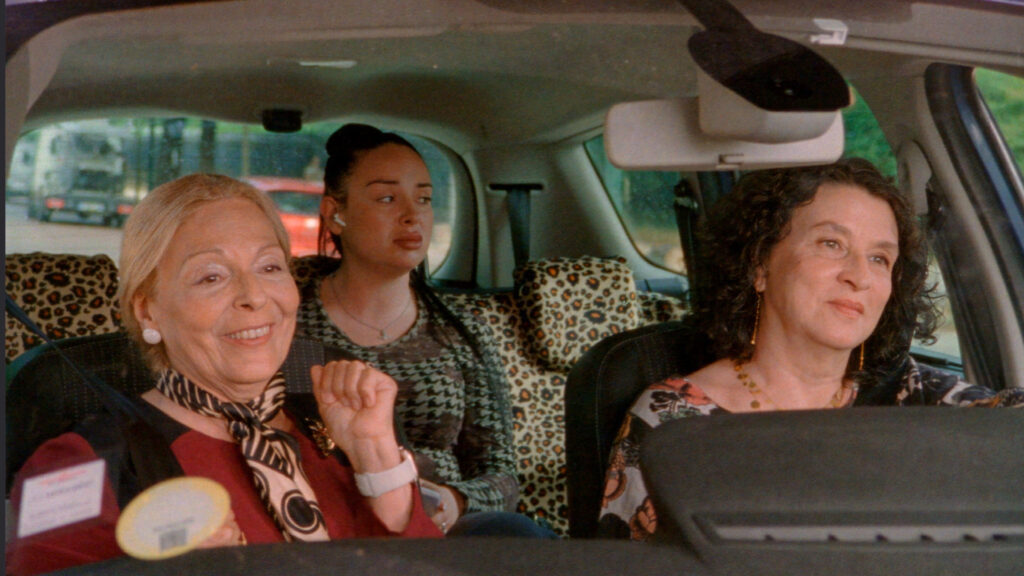
A jovem se encontra em uma situação complexa, dividida entre a sua família de sangue e aquela que encontrou em seus amigos quando foi separada da mãe ainda na pré-adolescência. De um lado, somos apresentados a duas gerações de mulheres ansiosas e com valores bastante tradicionais. Do outro, temos um grupo no qual todas as pessoas parecem perdidas entre trabalhos que exigem pouca qualificação e pagam mal, tráfico de drogas e relacionamentos abusivos. Ou seja, ela parece se encontrar em uma situação na qual essas duas partes de sua vida não se comunicam.
Lila Pinell mostra uma excelente atenção a detalhes que levam o filme a um novo nível em relação à mistura das questões bíblicas com a realidade da personagem. Há, por exemplo, uma passagem memorável na qual temos a passagem de uma página que ilustra a morte dos primogênitos, última praga do Egito, indo para um corte direto da personagem pintando as suas unhas dos pés no mesmo tom de vermelho do sangue. Vai se criando uma simbologia interessante mesclando sua própria vida com a fábula religiosa, com a escravidão do seu povo de outrora sendo representada pelos ciclos de seu relacionamento abusivo que ela precisa superar para poder voltar à normalidade.
Aqui, percebemos que a diretora realmente tem apreço a essa história com o próprio nome da personagem. Dentro do hebraico, Shaná está ligado a um conceito de passagem de tempo que tanto pode falar sobre repetições quanto sobre mudanças. Isso é colocado em tela com algumas possibilidades que ela tem de tomar melhores rédeas de sua própria vida que às vezes são acatadas, levando às mudanças, e às vezes ignoradas, levando às repetições. Ela consegue colocar bem a questão da culpa e da humanidade da personagem em primeiro plano, com alguns toques que um público feminino irá apreciar, como a falta de beleza da personagem ao acordar ou a sua comunicação muito direta com o grupo de amigas.
No entanto, para que isso possa acontecer, por vezes parece que a obra não dá a devida importância para temas latentes e sensíveis como a violência doméstica a o trabalho sexual. Eles parecem entrar no filme apenas para complementar a trama, sendo tratados com uma leviandade que chega a ser desconfortável. Mesmo que se compreenda que existem momentos chave de mudança na obra, quando uma trilha sonora específica toca e a personagem se encontra sozinha em tela, refletindo, parece que o peso desses elementos é removido da trama.
Ainda assim, a personagem é memorável o suficiente para que o filme permaneça na cabeça dos espectadores após o seu final. Para um segundo longa-metragem, é uma maturidade cinematográfica considerável e um bom sinal para uma carreira promissora na área do cinema.
In English, translated by Renata Torres:
Shana (France, 2026)
Original Title: Shana
Director: Lila Pinell
Screenplay: Lila Pinell
Main Cast: Eva Huault, Noémie Lvovsky, Palachandiran Thyshaant
Running Time: 83 min
Like a macabre fairy tale, the first images presented to us at the beginning of the film Shana are the biblical plagues described in the Old Testament that were sent to Egypt to force the Pharaoh to end the enslavement of the Hebrews. From these images of worms, locusts, abortions, and other horrific situations, we move to a group of friends playing what is popularly known in Brazil as “Sleeping City”, but known as “Mafia” or “Werewolf” worldwide However, when our protagonist Shana (Eva Huault) is killed by werewolves in the game, she can’t stay quiet and causes a great commotion among her friends. This scene is all we need to understand her personality, which will remain in increasingly intense outbursts as the film progresses.
The young woman finds herself in a complex situation, torn between her blood family and the family she found among her friends after being separated from her mother in pre-adolescence. On one side, we are introduced to two generations of anxious women with quite traditional values; on the other, we have a group where everyone seems lost amidst low-skilled, poorly paid jobs, drug trafficking, and abusive relationships. In other words, she seems to find herself in a situation where these two parts of her life don’t communicate.
Lila Pinell shows excellent attention to detail, which elevates the film to a new level in terms of blending biblical themes with the character’s reality. There is, for example, a memorable passage where a page illustrating the death of the firstborn, the last plague of Egypt, cuts directly to the character painting her toenails the same shade of red as the blood. An interesting symbolism is created by blending her own life with the religious fable, with the enslavement of her people in the past being represented in the present by the cycles of her abusive relationship that she needs to overcome in order to return to normality.
Here, we perceive that the director truly appreciates this story, reflected in the character’s own name. In Hebrew, Shaná is linked to a concept of the passage of time, which can refer to both repetitions and changes. This is shown on screen through the various possibilities she has to take better control of her own life, which are sometimes accepted, leading to changes, and sometimes ignored, leading to repetitions. She manages to effectively place the issue of guilt and the character’s humanity in the foreground, with touches that a female audience will appreciate, such as the character’s lack of beauty upon waking or her very direct communication with her group of friends.
However, for this to happen, it sometimes seems that the work does not give due importance to latent and sensitive themes such as domestic violence and sex work. They seem to enter the film merely to complement the plot, being treated with a levity that borders on uncomfortable. Even if it’s understood that there are key moments of change in the work, when a specific soundtrack plays and the character is alone on screen, reflecting, it seems that the weight of these elements is removed from the plot.
Still, the character is memorable enough for the film to remain in the viewers’ minds after its ending. For a second feature film, it’s considerable cinematic maturity and a good sign for a promising career in the film industry.
Obrigada, Aline Guevara, pelo apoio! Se você quiser ver o seu nome nas próximas críticas, não esqueça que o financiamento coletivo segue aberto em https://www.kickante.com.br/financiamento-coletivo/ajude-o-no-sofa-com-gatos.