
The Beloved (Espanha, França, 2026)
Título Original: El ser querido
Direção: Rodrigo Sorogoyen
Roteiro: Isabel Peña, Rodrigo Sorogoyen
Elenco principal: Javier Bardem, Victoria Luengo, Melina Matthews, Marina Foïs, Malena Villa, Mourad Ouani, Pepa Gracia, Raúl Prieto, Pablo Gómez Pando, Raúl Arévalo, Núria Prims, Laura Birn
Duração: 135 minutos (2h 15min)
O diretor Rodrigo Sorogoyen já está no radar dos cinéfilos desde seus filmes anteriores, que receberam bastante aclamação da crítica nacional e internacional. Ao criar um filme que fala sobre os processos criativos do cinema envolvendo um grande drama familiar, ele consegue novamente atrair os holofotes para as suas criações.
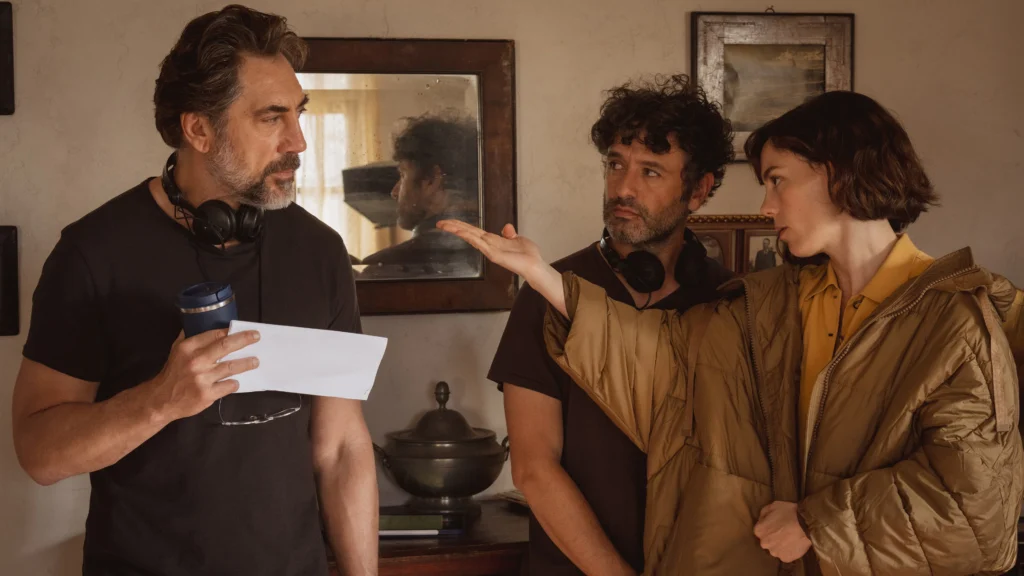
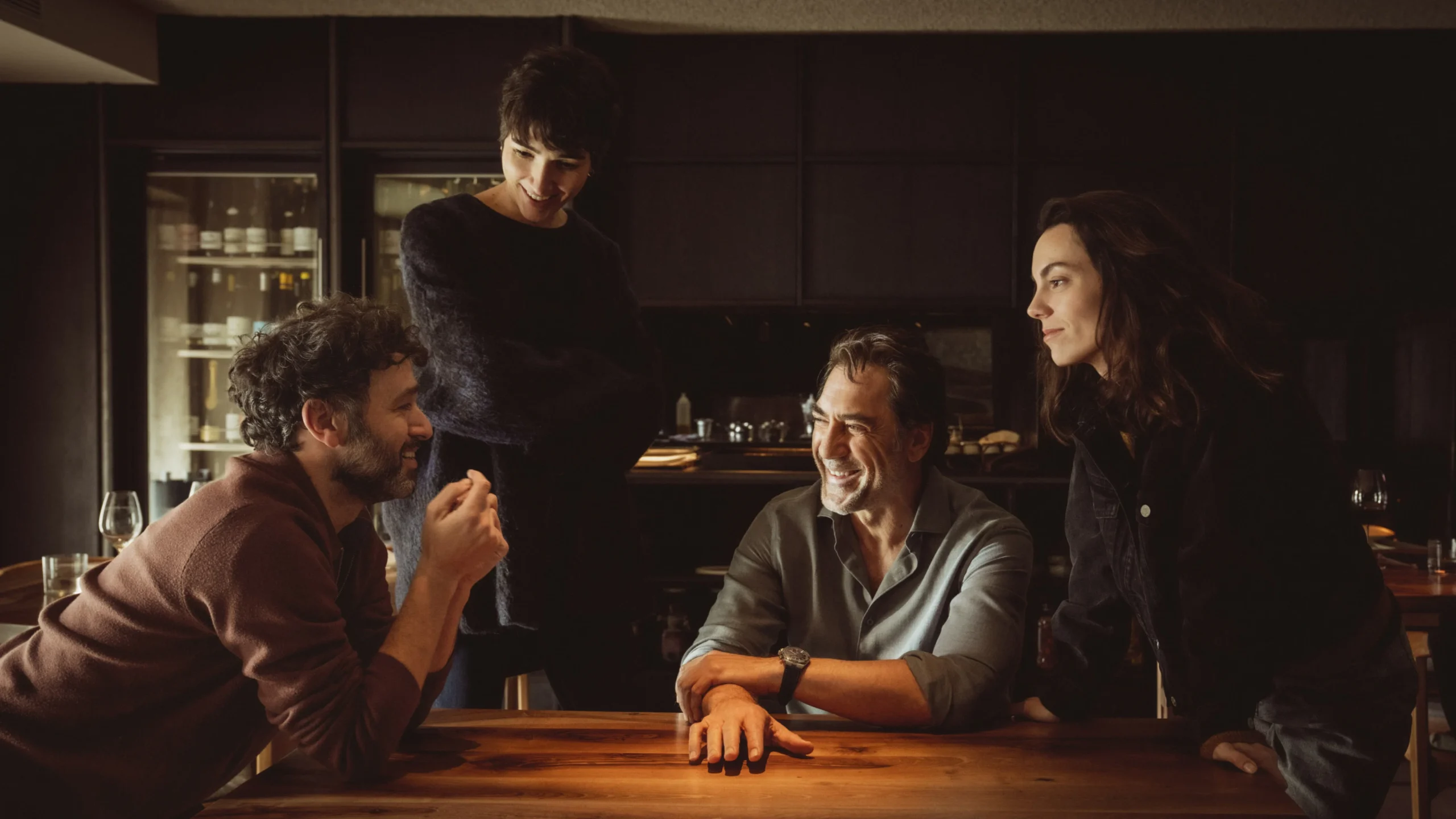
Em sua primeira cena, um longo plano-sequência, já temos uma boa noção do filme que se desdobrará. Vamos duas pessoas se cumprimentando, Esteban (Javier Bardem) e Emilia (Victoria Luengo), e seguindo para um dos almoços mais desconfortáveis da história do cinema. Sentimos uma grande tensão nos personagens através da atuação de ambos, mas é apenas com o desenrolar da conversa que conseguimos compreender o tamanho do problema. Esteban é um pai ausente que não vê a filha há mais de uma década, mas que aproveita a sua posição como um diretor de prestígio para escalar a filha para um papel em seu próximo filme, esperando com isso uma espécie de reparação. Entre silêncios estranhos e uma conversa que consegue ser ainda mais incômoda, se inicia o acordo que dará seguimento ao resto do filme. Interessantemente, ele cita que quer fazer um filme sobre pessoas que não conseguem se olhar nos olhos, enquanto apesar de se olharem nos olhos, esse jantar parece tão desconfortável quanto o que ele quer retratar.
Aí seguimos para a segunda etapa do filme, que é a real produção do filme. Aqui, os conflitos entre pai e filha se intensificam na medida em que todo o seu drama pregresso também afeta seus comportamentos, dado que eles são seres humanos, e as filmagens também se tornam cada vez mais tensas. Existem dois elementos muito importantes para citar nesse momento do filme. O primeiro é um grande acerto em demonstrar uma produção de filme de maneira mais caótica do que ela geralmente aparece no cinema, e que também parece muito mais próxima da realidade. De situações complicadas em um set afastado, brigas entre equipe, cansaço, suor e lágrimas, cria-se uma noção muito melhor sobre como acontece todo o orquestramento para que o público possa depois consumir uma obra audiovisual. O segundo elemento é o quanto as atuações são essenciais para conseguir sustentar essa obra, dado que o limite entre o que está acontecendo no momento e os ressentimentos de um passado que não vemos em tela precisam estar presentes na tensão entre eles, e através da linguagem corporal e das intenções deles.
Soma-se a isso uma preocupação formal em como contar essa história, tanto na relação entre a colonização espanhola do Saara com a relação autoritária entre pai e filha (e também diretor e equipe) quanto em elementos técnicos, como roupas de época que dificultam locomoção ou um aprisionamento dos personagens em ângulos de câmera que criam a sensação de claustrofobia mesmo quando eles estão à céu aberto. Misturam-se também diversas técnicas de captação de imagem, criando uma metalinguagem com a noção de se rodar um filme dentro de um filme.
Mesmo que as relações entre pais e filhas seja bem explorada no cinema, e sua sinopse até lembre Valor Sentimental (2025), o diretor consegue deixar a sua marca tanto no seu ótimo controle do tom da narrativa, que vai da comédia para a tragédia em alguns seguindo, quanto pela sua situação específica em relação ao cinema e história espanhóis. Sorogoyen mostra novamente seu talento, e deixa o público esperando pelos próximos filmes.
In English, translated by Renata Torres:
The Beloved (Spain, France, 2026)
Original Title: El ser querido
Director: Rodrigo Sorogoyen
Screenplay: Isabel Peña, Rodrigo Sorogoyen
Main Cast: Javier Bardem, Victoria Luengo, Melina Matthews, Marina Foïs, Malena Villa, Mourad Ouani, Pepa Gracia, Raúl Prieto, Pablo Gómez Pando, Raúl Arévalo, Núria Prims, Laura Birn
Running Time: 135 minutes
Director Rodrigo Sorogoyen has been on the radar of cinephiles since his previous films, which received considerable acclaim from national and international critics. By creating a film that speaks about the creative processes of cinema involving a great family drama, he manages to once again attract the spotlight to his creations.
In its first scene, a long sequence shot, we already have a good idea of the film that will unfold. We see two people greeting each other, Esteban (Javier Bardem) and Emilia (Victoria Luengo), and heading towards one of the most uncomfortable lunches in film history. We sense a great tension between the characters through their acting, but it’s only as the conversation unfolds that we understand the magnitude of the problem. Esteban is an absent father who hasn’t seen his daughter in over a decade, but he uses his position as a prestigious director to cast her in a role in his next film, hoping for a kind of reparation. Between awkward silences and a conversation that manages to be even more uncomfortable, the agreement that will drive the rest of the film begins. Interestingly, he mentions that he wants to make a film about people who can’t look each other in the eye, while despite looking each other in the eye, this dinner seems as uncomfortable as what he wants to portray.
Then we move on to the second stage of the film, which is the actual production of the film. Here, the conflicts between father and daughter intensify as all their past drama also affects their behavior, given that they are human beings, and the filming also becomes increasingly tense. There are two very important elements to mention at this point in the film. The first is a great success in portraying a film production in a more chaotic way than it usually appears in cinema, and which also seems much closer to reality. From complicated situations on a remote set, fights between crew members, exhaustion, sweat, and tears, a much better understanding is created of how the entire orchestration happens so that the audience can later consume an audiovisual work. The second element is how essential the performances are to sustaining this work, given that the boundary between what is happening in the moment and the resentments of a past that we don’t see on screen needs to be present in the tension between them, and through their body language and intentions.
Added to this is a formal concern with how to tell this story, both in the relationship between the Spanish colonization of the Sahara and the authoritarian relationship between father and daughter (and also director and crew), as well as in technical elements, such as period clothing that hinders movement or the imprisonment of characters in camera angles that create a sense of claustrophobia even when they are outdoors. Various image capture techniques are also mixed, creating a meta-language with the notion of shooting a film within a film.
Even though the relationship between fathers and daughters is well explored in cinema, and its synopsis even resembles Sentimental Value (2025), the director manages to leave his mark both in his excellent control of the narrative tone, which goes from comedy to tragedy in some sequences, and in his specific situation in relation to Spanish cinema and history. Sorogoyen once again demonstrates his talent, and leaves the audience waiting for his next films.
Obrigada, Aline Guevara, pelo apoio! Se você quiser ver o seu nome nas próximas críticas, não esqueça que o financiamento coletivo segue aberto em https://www.kickante.com.br/financiamento-coletivo/ajude-o-no-sofa-com-gatos.