
Garance (França, Bélgica, 2026)
Título Original: Garance (Título internacional: Another Day)
Direção: Jeanne Herry
Roteiro: Jeanne Herry
Elenco principal: Adèle Exarchopoulos, Sara Giraudeau, Anne Suarez, Rudgy Pajany, Victor Chakravarty
Duração: 120 minutos (2h)
Garance marca um reencontro de uma dupla que teve bastante sucesso em seu primeiro longa-metragem, da diretora Jeanne Herry e a atriz Adèle Exarchopoulos, que realizaram juntas Je Verrai Toujours Vos Visages (2023). Se o assunto sério da justiça restaurativa francesa esteve presente no primeiro filme, aqui a seriedade se renova, com a dependência do álcool sendo colocada em um primeiro plano.
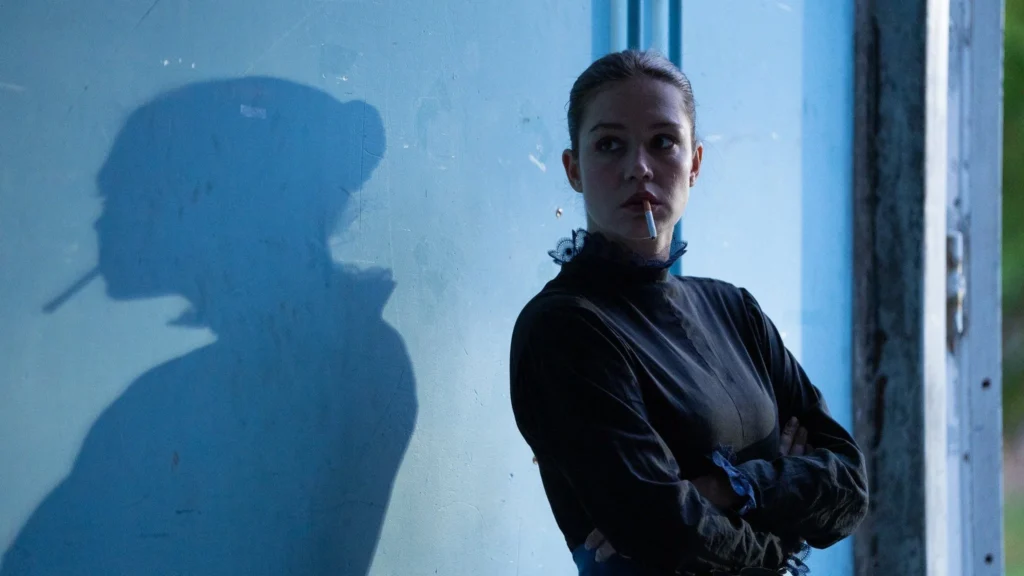
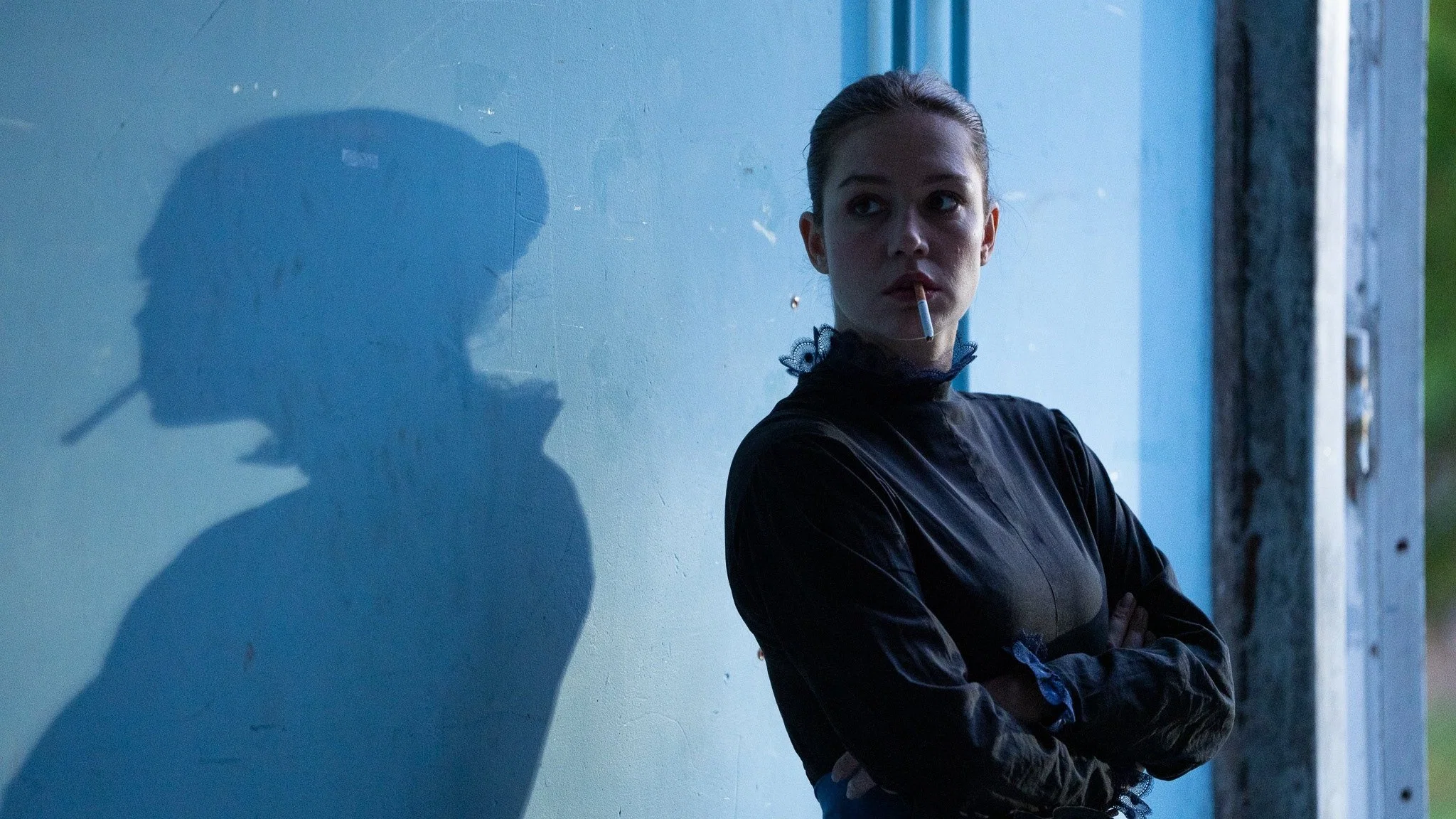
Garance é uma atriz de relativo sucesso, trabalhando em uma companhia teatral bastante conhecida, com um relacionamento estável (mas talvez não muito feliz) e que inicialmente parece ter tudo sob controle, até que se observe mais de perto e se perceba que ela é uma pessoa adicta ao álcool. O próprio filme brinca um pouco com essa noção de que essa é uma dependência socialmente bastante aceita, tanto pela legalidade da droga quanto pela possibilidade de certa funcionalidade aparente em um primeiro momento.
Mas, como se pode imaginar, tudo isso começa a cair por terra. O fim do relacionamento por considerá-lo medíocre, a incapacidade de seguir acompanhando os compromissos de trabalho e ainda um grande despertar sexual em relação a se apaixonar por mulheres fazem com que se inicie uma espiral de desgraças que também são muito comuns na história de pessoas com dependências químicas. Entre o suporte incrível dado pela sua rede de apoio e a dificuldade em reconhecer seu problema, o filme se torna uma profunda introspecção sobre uma personagem quase invisível tanto na ficção quanto na vida real.
Ainda que o filme fuja muito à realidade brasileira, com uma protagonista que consegue viver por um longo período de tempo sem receber nenhum tipo de salário, ele coloca em primeiro plano uma realidade bastante comum, mas que raramente é colocada no cinema com algum nível de realismo, que é a da pessoa com algum vício que ainda assim consegue viver uma vida relativamente funcional. Tanto o roteiro que faz questão de olhar para essa personagem sem um olhar julgador, mas sim tentando compreender a sua situação atual e quais são os seus próximos passos possíveis, quanto uma performance entregue de Exarchopoulos fazem com que a obra tenha uma naturalidade e realismo que acabam comovendo o expectador.
Esse olhar não julgador pode funcionar perfeitamente para a atuação, colocando pontos e contrapontos em seu dia-a-dia e personagens secundários que servem como uma rede de apoio perfeita, quase inabalável, mas não necessariamente para a experiência do espectador. De certa forma, o filme parece um tanto protocolar em relação ao seu funcionamento, com etapas específicas a serem cumpridas e uma espécie de roteiro, se tornando então algo um pouco engessado, sem grandes surpresas a quem assiste. Ao mesmo tempo, há uma dificuldade em compreender todo esse processo como real, pois até a noção de tempo fragmentada nos desliga da duração dos processos. Ficamos interessados na personagem, mas não conseguimos nos desligar do fato de que esse filme é uma ficção. Até o seu final, que é surpreendente, nos deixa com essa última impressão ao sair da sessão.
Um elemento que merece bastante atenção é a trilha sonora da obra, que ajuda a dar um tom único para ela e que sobrevive na mente de quem assiste. Em uma obra como essa, uma trilha excessivamente dramática poderia levar rapidamente a um tom melodramático que não combina com o naturalismo proposto. Ao invés disso, Pascal Sangla propõe uma trilha que mistura um elemento teatral e dramático inspirado na profissão da personagem com algo mais moderno e eletrônico para contrabalancear, também inspirado em toda a vida noturna na qual sua dependência é mais facilmente invisibilizada.
Essa exploração de uma personagem muito realista, mas com alguns passos previsíveis na narrativa, traz mais uma boa parceria entre diretora e atriz. Ainda que não tenha a potência explosiva de sua primeira colaboração, ainda há um trabalho sólido que lida com uma temática relevante para a atualidade.
In English, translated by Renata Torres:
Garance (France, Belgium, 2026)
Original Title: Garance (International Title: Another Day)
Director: Jeanne Herry
Screenplay: Jeanne Herry
Main Cast: Adèle Exarchopoulos, Sara Giraudeau, Anne Suarez, Rudgy Pajany, Victor Chakravarty
Running Time: 120 minutes
Garance marks a reunion of a duo who had considerable success in their first feature film, director Jeanne Herry and actress Adèle Exarchopoulos, who together made Je Verrais Toujours Vos Visages (2023). While the serious subject of French restorative justice was present in the first film, here the seriousness is renewed, with alcohol addiction being placed in the foreground.
Garance is a relatively successful actress, working in a well-known theater company, with a stable (but perhaps not very happy) relationship, and who initially seems to have everything under control, until closer observation reveals her alcohol addiction. The film itself plays with the notion that this is a socially accepted addiction, both due to the legality of the drug and the possibility of a certain apparent functionality at first glance.
But, as one can imagine, all of this begins to crumble. The end of the relationship because she considers it mediocre, the inability to keep up with work commitments, and a significant sexual awakening in her attraction to women, set in motion a spiral of misfortunes that are also very common in the stories of people with chemical dependencies. Between the incredible support given by her network and the difficulty in recognizing her problem, the film becomes a profound introspection into a character almost invisible in both fiction and real life.
Although the film deviates significantly from Brazilian reality, with a protagonist who manages to live for an extended period without receiving any salary, it highlights a fairly common reality, one rarely portrayed realistically in cinema: that of a person with an addiction who still manages to live a relatively functional life. Both the script, which insists on looking at this character without judgment but rather trying to understand her current situation and possible next steps, and Exarchopoulos’s committed performance, give the work a naturalness and realism that ultimately moves the viewer.
This non-judgmental perspective works perfectly for the acting, highlighting points and counterpoints in her daily life and secondary characters who serve as a perfect, almost unwavering support network, but not necessarily for the viewer’s overall experience. In a way, the film seems somewhat formulaic in its execution, with specific steps to be followed and a kind of script, thus becoming a bit rigid and lacking major surprises for the audience. At the same time, there’s a difficulty in understanding this entire process as real, because even the fragmented notion of time disconnects us from the duration of the processes. We become interested in the character, but we can’t detach ourselves from the fact that this film is fiction. Even its surprising ending leaves us with this final impression upon leaving the theater.
One element that deserves considerable attention is the film’s soundtrack, which helps to give it a unique tone that lingers in the viewer’s mind. In a work like this, an excessively dramatic soundtrack could quickly lead to a melodramatic tone that doesn’t match the proposed naturalism. Instead, Pascal Sangla proposes a soundtrack that mixes a theatrical and dramatic element inspired by the character’s profession with something more modern and electronic to counterbalance it, also inspired by the nightlife where her addiction is more easily obscured.
This exploration of a very realistic character, but with some predictable steps in the narrative, showcases another good partnership between director and actress. Although it may not have the explosive power of his first collaboration, it is still a solid piece of work that deals with a theme relevant to the present day.
Obrigada, Aline Guevara, pelo apoio! Se você quiser ver o seu nome nas próximas críticas, não esqueça que o financiamento coletivo segue aberto em https://www.kickante.com.br/financiamento-coletivo/ajude-o-no-sofa-com-gatos.