
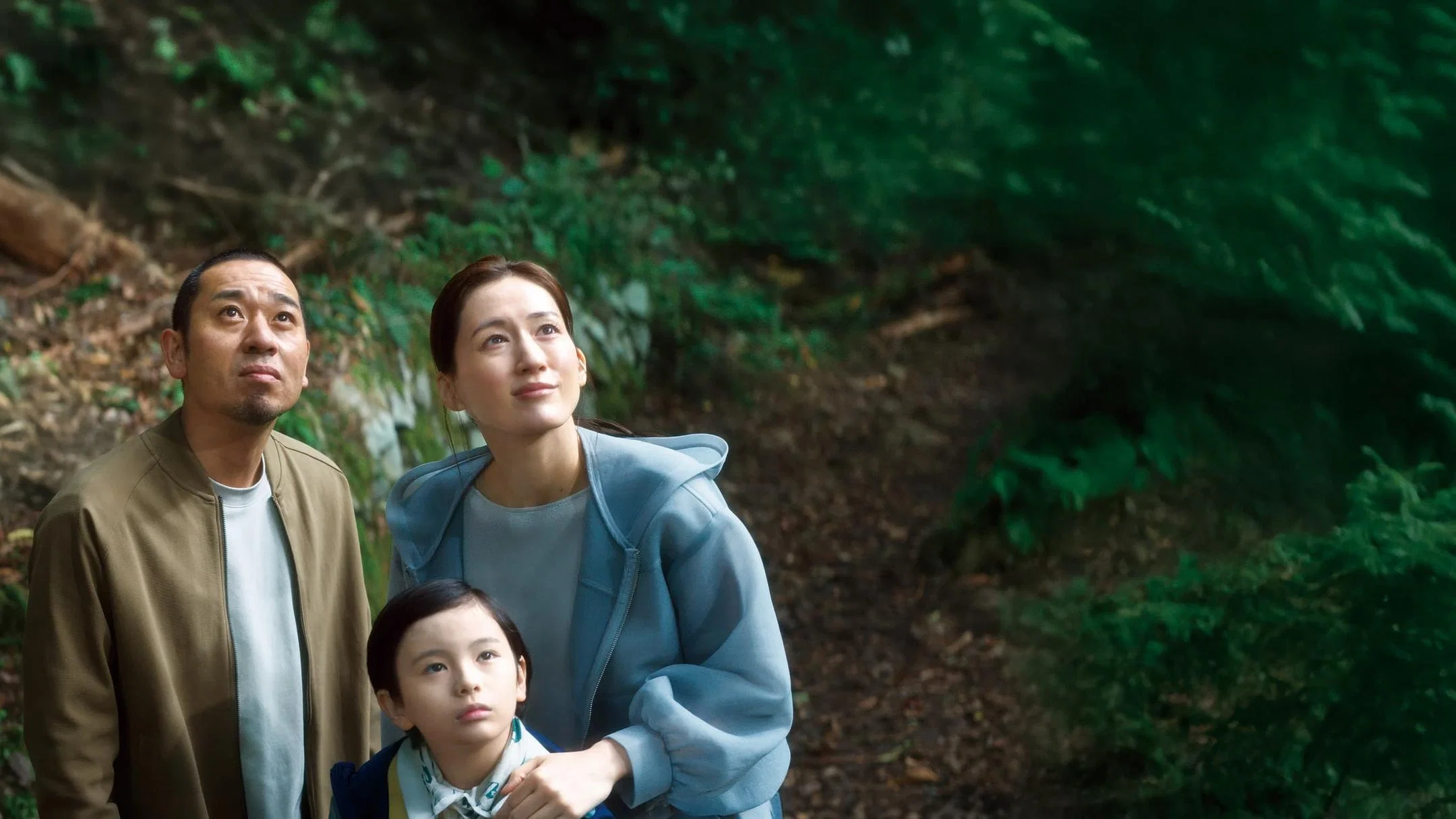

Sheep in the Box (Japão, 2026)
Título Original: Hako no Naka no Hitsuji (箱の中の羊)
Direção: Hirokazu Kore-eda
Roteiro: Hirokazu Kore-eda
Elenco principal: Haruka Ayase, Daigo Yamamoto, Rimu Kuwaki, Nana Seino, Kanichiro, Hinata Hiiragi
Duração: 126 minutos (2h 06min)
Pensar na carreira de Hirokazu Kore-eda é mergulhar em um oceano de histórias nas quais o diretor e roteirista não busca julgar seus personagens, mas sim refletir sobre todo o espectro de existência humana. Da criança ao idoso, de mulheres e homens, de europeus e asiáticos, existe uma quantidade imensa de histórias que exploram a dualidade que existe dentro de cada pessoa.
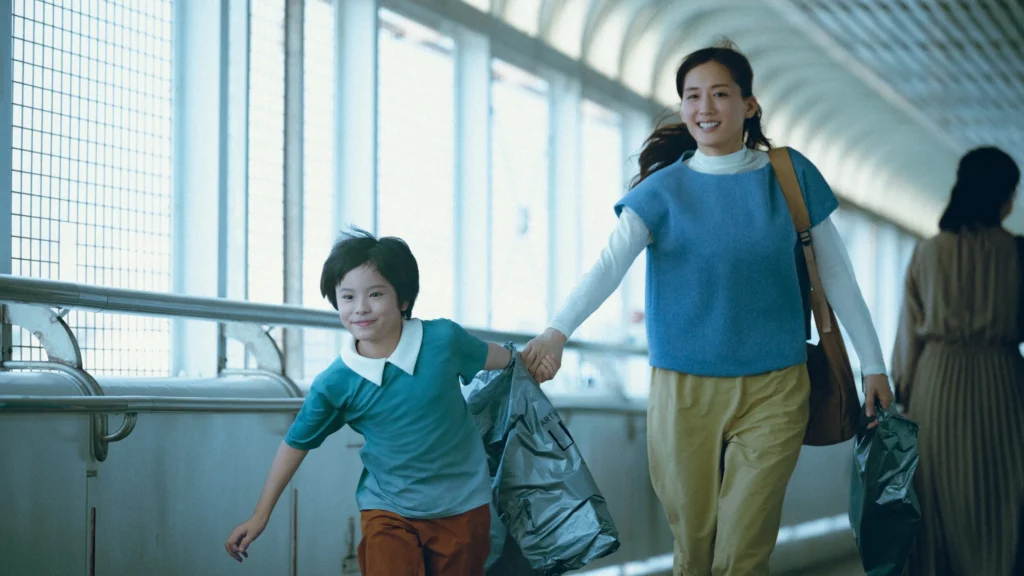
Com Sheep in the Box não poderia acontecer algo diferente, exceto que nesse caso, ao invés de termos a situação humana, temos na realidade uma emulação humana: uma inteligência artificial criada a partir de memórias de uma criança real, na tentativa de ajudar pais enlutados com a perda de uma criança a lidar melhor com o luto. É muito difícil não pensar na conexão deste longa-metragem com I.A. – Inteligência Artificial (2001), filme dirigido por Steven Spielberg devido ao foco narrativo de pais lidando com a perda de um filho e que decidem ir para um caminho robótico ao invés da simples terapia. No entanto, essas semelhanças são bem limitadas, com Kore-eda tendo um foco maior na interação do garoto-robô com a família enquanto Spielberg na realidade lida com a rejeição após ser trocado por um humano.
É interessante ver um diretor com um foco grande em um realismo social pensando em uma sociedade ligeiramente no futuro, ainda que se trate de um futuro próximo. Temos uma sensação estranha ao observar detalhes como as entregas automáticas via drone, a utilização de meios de locomoção principalmente elétricos e o uso normalizado de I.A.s robóticas convivendo com elementos tão mundanos como a compra de pequenas árvores para criar maquetes realistas. Percebe-se, por exemplo, que nessa versão imaginada por Kore-eda a tendência atual de valorização de artes manuais aparece bastante presente, assim como a utilização de materiais naturais para a produção de casas. Neste sentido, até a profissão dos pais, de arquiteta e carpinteiro, falam também sobre o que ele imagina que será valorizado no futuro. Ainda que se tenha ouvido em diversas rodas de conversa sobre essa ser sua tentativa de normalizar a I.A. através da arte, interpretando os acontecimentos do filme percebemos exatamente o oposto: esse garoto surge como uma ferramenta para os seus pais, e não como uma existência com finalidade própria. É até aí que está a principal discussão do longa, na possibilidade de um ser senciente compreender a sua funcionalidade como vida.
Infelizmente, há outras escolhas artísticas que distraem o espectador dessa discussão, como as situações excessivamente melodramáticas com atuações mais ríspidas e o seu ritmo bastante lento. Passamos mais tempo pensando em toda a situação familiar do que na empresa que produz os robôs, e quais seriam as suas questões éticas envolvidas – algo que poderia trazer uma luz às discussões atuais sobre IAs. Ainda assim, observar a cinematografia que brinca com elementos naturais versus os inorgânicos faz com que nos aproximemos do que acontece em tela, ainda mais em um momento no qual se discute sobre a tentativa de se afastar do excesso de telas da ultra-modernidade.
Talvez o filme seja uma surpresa negativa para quem espera a emoção dos seus filmes anteriores, mas é curioso poder ver como alguém tão dedicado aos sentimentos humanos pensa no nosso futuro.
In English, translated by Renata Torres:
Sheep in the Box (Japan, 2026)
Original Title: Hako no Naka no Hitsuji (箱の中の羊)
Director: Hirokazu Kore-eda
Screenplay: Hirokazu Kore-eda
Main Cast: Haruka Ayase, Daigo Yamamoto, Rimu Kuwaki, Nana Seino, Kanichiro, Hinata Hiiragi
Running Time: 126 minutes
Thinking about Hirokazu Kore-eda’s career is to delve into an ocean of stories in which the director and screenwriter does not seek to judge his characters, but rather to reflect on the entire spectrum of human existence. From children to the elderly, from women to men, from Europeans to Asians, there is an immense number of stories that explore the duality that exists within each person.
With Sheep in the Box, nothing different could happen, except that in this case, instead of a human situation, we actually have a human emulation: an artificial intelligence created from the memories of a real child, in an attempt to help grieving parents cope better with the loss of a child. It’s very difficult not to think of the connection between this feature film and A.I. Artificial Intelligence (2001), directed by Steven Spielberg, due to the narrative focus on parents dealing with the loss of a child and who decide to go down a robotic path instead of simple therapy. However, these similarities are quite limited, with Kore-eda focusing more on the interaction of the robot boy with the family, while Spielberg actually deals with rejection after being replaced by a human.
It’s interesting to see a director with a strong focus on social realism thinking about a society slightly in the future, even if it’s a near future. We get a strange feeling when observing details like automated drone deliveries, the use of primarily electric means of transportation, and the normalized use of robotic AIs coexisting with such mundane elements as buying small trees to create realistic models. It’s noticeable, for example, that in this version imagined by Kore-eda, the current trend of valuing handcrafted arts is quite present, as is the use of natural materials for house construction. In this sense, even the parents’ professions, architect and carpenter, also speak to what he imagines will be valued in the future. Although it has been heard in various conversations that this is his attempt to normalize AI through art, interpreting the events of the film reveals the exact opposite: this boy emerges as a tool for his parents, and not as an existence with its own purpose. This is the main discussion of the film, the possibility of a sentient being understanding its functionality as a life.
Unfortunately, there are other artistic choices that distract the viewer from this discussion, such as the excessively melodramatic situations with harsher acting and its rather slow pace. We spend more time thinking about the entire family situation than about the company that produces the robots, and what ethical issues are involved – something that could shed light on current discussions about AI. Still, observing the cinematography that plays with natural versus inorganic elements brings us closer to what is happening on screen, even more so at a time when there is discussion about trying to move away from the excessive screens of ultra-modernity.
Perhaps the film will be a negative surprise for those expecting the emotion of his previous films, but it is curious to see how someone so dedicated to human feelings thinks about our future.
Obrigada, Aline Guevara, pelo apoio! Se você quiser ver o seu nome nas próximas críticas, não esqueça que o financiamento coletivo segue aberto em https://www.kickante.com.br/financiamento-coletivo/ajude-o-no-sofa-com-gatos.

Pingback: Notícia | MUBI FEST 2026 chega a São Paulo com Cannes, clássicos restaurados e sessões ao ar livre – No Sofa com Gatos