
Paper Tiger (Estados Unidos, 2026)
Título Original: Paper Tiger
Direção: James Gray
Roteiro: James Gray
Elenco principal: Adam Driver, Scarlett Johansson, Miles Teller, Gavin Goudey, Roman Engel e Victor Ptak
Duração: 1h 55min (115 minutos)
Entre uma série de filmes com foco em personagens europeus e em produções um pouco menores, Paper Tiger se sobressai tanto pelo elenco estadunidense estrelado, incluindo Adam Driver e Scarlett Johansson, quanto pelo diretor já conhecido do grande público, James Gray. Ele, inclusive, não é um novato na competição pela Palma de Ouro, já tendo sido indicado diversas vezes por seus trabalhos anteriores, sem nunca receber a premiação.
No prólogo de seu novo longa-metragem, vemos uma frase atribuída a Ésquilo “Let there be wealth without tears”, extraída da peça Agamenon. No contexto do teatro grego, o que está sendo dito é que existe um equilíbrio necessário para toda a prosperidade. Se as pessoas forem muito pouco prósperas, isso as levará a uma vida com muitas limitações, mas nas crenças da época, a prosperidade excessiva também seria problemática porque causaria a atenção dos deuses, e estaria relacionada com grandes perdas em outras áreas da vida, como no caso da peça a vitória na Guerra de Tróia que custou ao rei o sacrifício de sua própria filha e de diversos de seus homens. Esse prólogo, ainda que pareça estranho em um primeiro momento, não poderia ser mais adequado ao que se passará em tela a seguir.
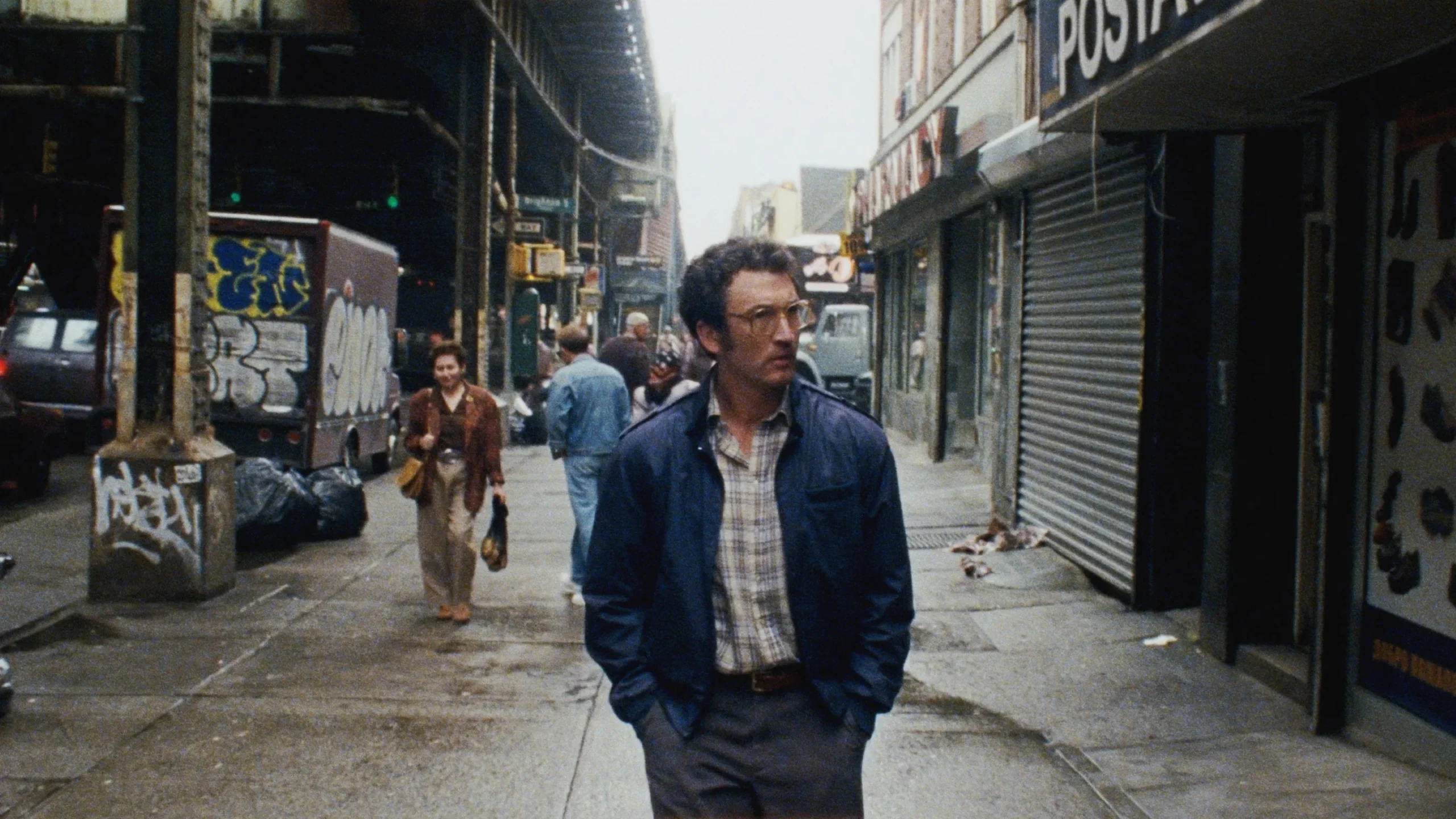
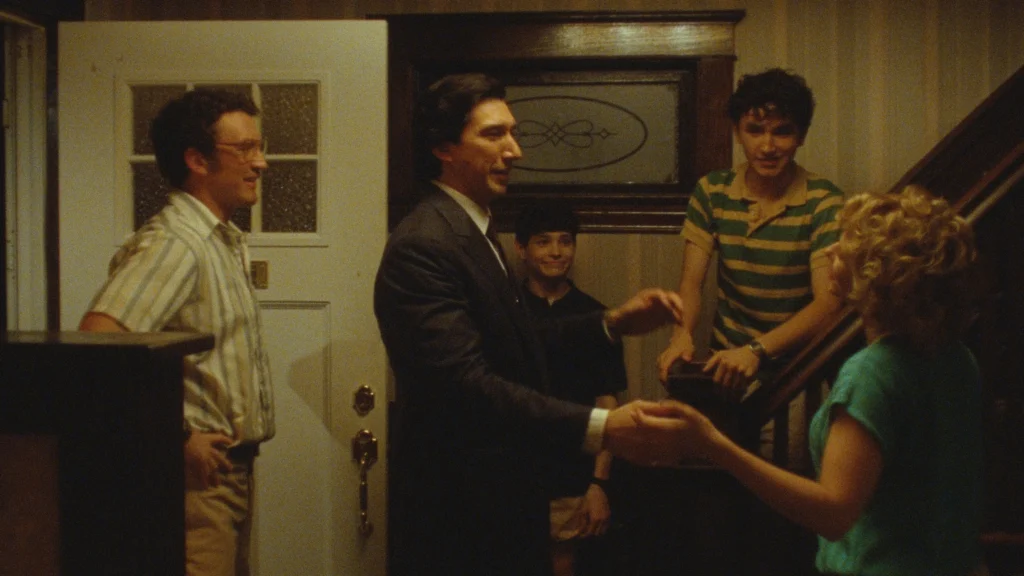
No filme, Irwin Pearl (Miles Teller) vive uma vida comum de classe média estadunidense nos anos 1980. Casado com Hester (Scarlett Johansson), eles buscam um futuro mais próspero para os seus filhos através do trabalho duro. Só que seu irmão Gary (Adam Driver), ex-policial, aparece com uma proposta de trabalho incrível para eles se juntarem como uma firma de consultoria para ajudar os russos de Howard Beach a descontaminar a água da região. Irwin se empolga e, sem querer, causa um acidente diplomático que pode colocar tudo o que eles tinham planejado a perder.
Se a sinopse parece um pouco com os trabalhos anteriores do diretor, isso acontece porque este é mesmo um retorno ao cinema que ele fazia no início de sua carreira, talvez com um pouco menos de paixão e um tanto a mais de maturidade. Mas temáticas como os ritos de passagem masculinos, a violência das ruas de Nova York nesse período específico e até mesmo a relação familiar entre irmãos se faz presente como já o esteve em diversos outros momentos de sua carreira. O tom nostálgico, sem deixar de ver os problemas daquele período, se colocam como elementos importantes no longa-metragem.
O filme trabalha com uma chave de naturalismo que segue seus personagens sem tentativas de prendê-los a recursos formais da cinematografia, sendo mais focado no estudo desses caráteres do que em recriar a roda de como fazer um bom filme. Aqui, Adam Driver brilha tanto por conta de seu talento como ator quanto pela criação de um personagem extremamente carismático, ainda que falastrão. Infelizmente, o roteiro acaba levantando muitas linhas narrativas, como a de Hester e sua dor de cabeça, que acabam se perdendo dentro de toda a orquestração do filme. Por mais que haja um fundo autobiográfico, essa parte específica parece afastada do resto, e por ser uma das poucas presenças femininas no filme, soa quase como uma tentativa de manter uma cota.
O filme ainda consegue ser muito emocionante na medida em que ele está discorrendo sobre o amor que esses personagens sentem um pelo outro, e isso é um elemento que segue com o espectador mesmo após o fim da sessão. Entre isso, uma cena final de perseguição muito eficiente e um conto de precaução sobre o fim do sonho americano, Gray acerta em voltar para as suas origens para falar sobre o que existe de melhor na humanidade: as relações que criamos com os outros.
In English, translated by Renata Torres:
Paper Tiger (United States, 2026)
Original Title: Paper Tiger
Director: James Gray
Screenplay: James Gray
Main Cast: Adam Driver, Scarlett Johansson, Miles Teller, Gavin Goudey, Roman Engel, and Victor Ptak
Running Time: 115 minutes
Among a series of films focusing on European characters and somewhat smaller productions, Paper Tiger stands out both for its star-studded American cast, including Adam Driver and Scarlett Johansson, and for its director, James Gray, who is already well-known to the general public. He is, in fact, no stranger to the Palme d’Or competition, having been nominated several times for his previous works, without ever receiving the award.
In the prologue of his new feature film, we see a phrase attributed to Aeschylus, “Let there be wealth without tears,” taken from the play Agamemnon. In the context of Greek theater, what is being said is that there is a necessary balance for all prosperity. If people are too unprosperous, it will lead them to a life with many limitations, but in the beliefs of the time, excessive prosperity would also be problematic because it would attract the attention of the Gods and would be related to great losses in other areas of life, as in the case of the play, the victory in the Trojan War that cost the king the sacrifice of his own daughter and several of his men. This prologue, although it may seem strange at first, could not be more appropriate to what will happen on screen next.
In the film, Irwin Pearl (Miles Teller) lives an ordinary middle-class American life in the 1980s. Married to Hester (Scarlett Johansson), they seek a more prosperous future for their children through hard work. But his brother Gary (Adam Driver), a former police officer, appears with an incredible job offer for them to join forces as a consulting firm to help the Russians of Howard Beach decontaminate the region’s water. Irwin gets carried away and unintentionally causes a diplomatic incident that could jeopardize everything they had planned.
If the synopsis seems somewhat similar to the director’s previous works, this is because it is indeed a return to the cinema he made at the beginning of his career, perhaps with a little less passion and a bit more maturity. But themes such as male rites of passage, the violence of the streets of New York during this specific period, and even the family relationship between brothers are present, as they have been in various other moments of his career. The nostalgic tone, without neglecting the problems of that period, are important elements in the film.
It works with a naturalistic approach that follows its characters without attempting to confine them to formal cinematographic devices, focusing more on the study of these characters than on reinventing the wheel of how to make a good film. Here, Adam Driver shines both because of his talent as an actor and because of the creation of an extremely charismatic, albeit talkative, character. Unfortunately, the script ends up raising too many narrative threads, such as Hester’s headache, which get lost within the overall orchestration of the film. While there’s an autobiographical element, this specific part feels detached from the rest, and being one of the few female presences in the film, it almost feels like an attempt to maintain a quota.
The film still manages to be very moving as it explores the love these characters feel for each other, and this is an element that stays with the viewer even after the end of the screening. Between this, a very effective final chase scene and a cautionary tale about the end of the American dream, Gray succeeds in returning to his roots to talk about what is best in humanity: the relationships we create with others.