
Teenage Sex and Death at Camp Miasma (2026, EUA e Reino Unido)
Título Original: Teenage Sex and Death at Camp Miasma
Direção: Jane Schoenbrun
Roteiro: Jane Schoenbrun
Elenco Principal: Hannah Einbinder, Gillian Anderson, Amanda Fix, Arthur Conti, Eva Victor, Zach Cherry, Sarah Sherman, Patrick Fischler, Dylan Baker, Jasmin Savoy Brown, Quintessa Swindell, Kevin McDonald e Jack Haven
Duração: 112 minutos
Um filme slasher convencional tem algumas regras básicas nem sempre explicitadas, mas presentes em todas as obras. O matador maníaco, as mortes extremamente violentas e uma vítima vulnerável, mas que consegue lutar com todas as suas forças para sobreviver são algumas delas. Mas, ao longo dos anos, muitos outros elementos foram sendo adicionados e até subvertidos por franquias como Pânico: sexo deve ser punido, uso de drogas deve ser punido, precisa-se de ao menos três mortes em cena, e uma cena de nudez parcial feminina. Ou seja, tentando manter a lista de tudo que deve ser feito ou evitado, apenas um grande aficionado pelo cinema de gênero conseguiria fazer um slasher realmente bom (note, o realmente é irônico, sobre uma cinefilia chata, e não a opinião da autora deste texto).
A questão é que Jane Schoenbrun se comprovou uma pessoa apaixonada pelo slasher. Se sua relação com a importância que as mídias possuem na vida das pessoas já se colocou muito presente em I Saw The TV Glow, aqui isso é elevado a uma maior potência. O filme já começa encenando e mostrando o impacto que Camp Miasma, franquia de terror inventada para o longa, teve na cultura popular estadunidense, do lançamento de um primeira obra extremamente aclamada para a criação de uma série de sequências, filmes direto para VHS, jogo de tabuleiro e bonecos colecionáveis até que se perdesse completamente a noção do que fazer com aquela propriedade intelectual. Não coincidentemente, nossa protagonista é Kris (Hannah Einbinder), uma jovem diretora que fez muito sucesso no circuito de festivais e é chamada para realizar uma releitura woke para que o filme possa seguir sendo assimilado pelo capitalismo.
Traduzindo o título de maneira livre para Sexo e Morte Adolescentes no Acampamento Miasma, já temos uma excelente dica de como o filme irá se comportar. Primeiro, temos o sexo e morte adolescentes, o que se refere tanto ao ambiente dos filmes slasher dos anos 1980 quanto ao filme em si, no qual o assassino em questão se chama Little Death (Pequena Morte, que também é a nomenclatura em francês para o momento pós-orgasmo) e que foi introduzido como uma pessoa trans não-binária com toda a atmosfera de transfobia que apenas o cinema oitentista é capaz de proporcionar. A própria personagem Kris brinca com isso, falando que sua contratação é justamente para ressignificar os pecados do passado dos filmes. Em seguida, temos acampamento, que inglês é chamado camp, palavra também utilizada para falar sobre uma estética exagerada de cafonice consciente de suas intenções, um termo que foi bastante apropriado pela comunidade LGBTQIA+ nas últimas décadas. Por fim, o nome do acampamento é Miasma, termo que foi utilizado para descrever a forma de transmissão de doenças antes da descoberta de vírus e bactérias, e que hoje é utilizado para descrever um ambiente psicológico ou moral pesado. Com uma simples leitura crítica do título, sabemos que tipo de estética será utilizada, a crítica à atmosfera anti-trans estadunidense atual e uma noção sobre o gênero de filme que será desenvolvido.
Avançando no roteiro, temos a busca de Kris pela atriz que fez a personagem principal de Camp Miasma nos anos 1980, Billy Preston (Gillian Anderson), que vive uma vida isolada longe dos holofotes, e isso acaba levando as duas a uma reflexão sobre a importância desse tipo de filme e de catarse para toda uma geração. Cheio de referências cinéfilas a um voyeurismo hitchcockiano e ao clássico Crepúsculo dos Deuses pela sua temática, o filme apresenta sempre o humor autoconsciente que dialoga com a estética camp proposta. Além de trazer uma relação entre duas mulheres baseada na sinceridade e cumplicidade, ele consegue ainda inserir a temática trans em suas entrelinhas, sem precisar gritar a sua mensagem, mas deixando-a bem clara.
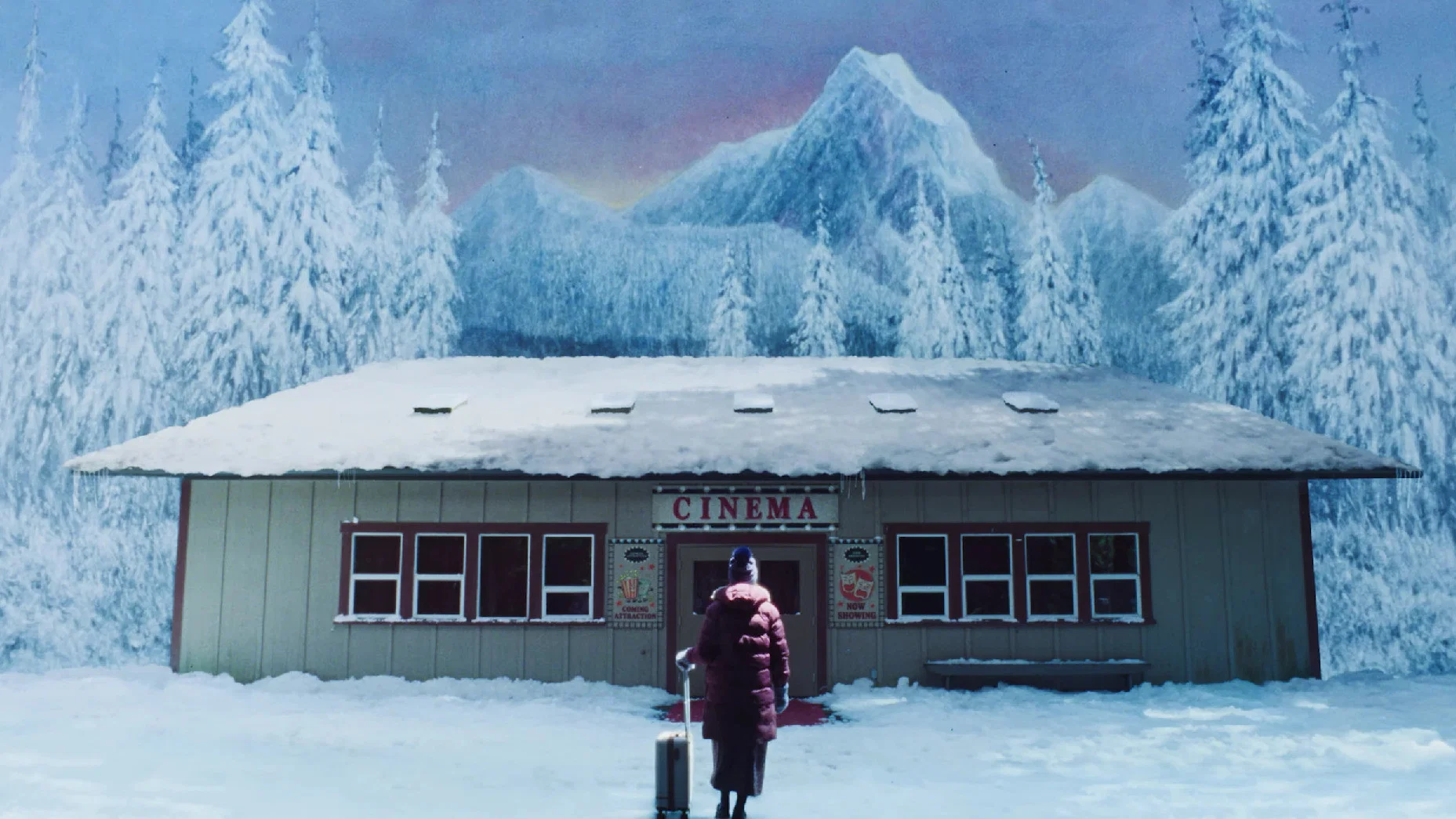
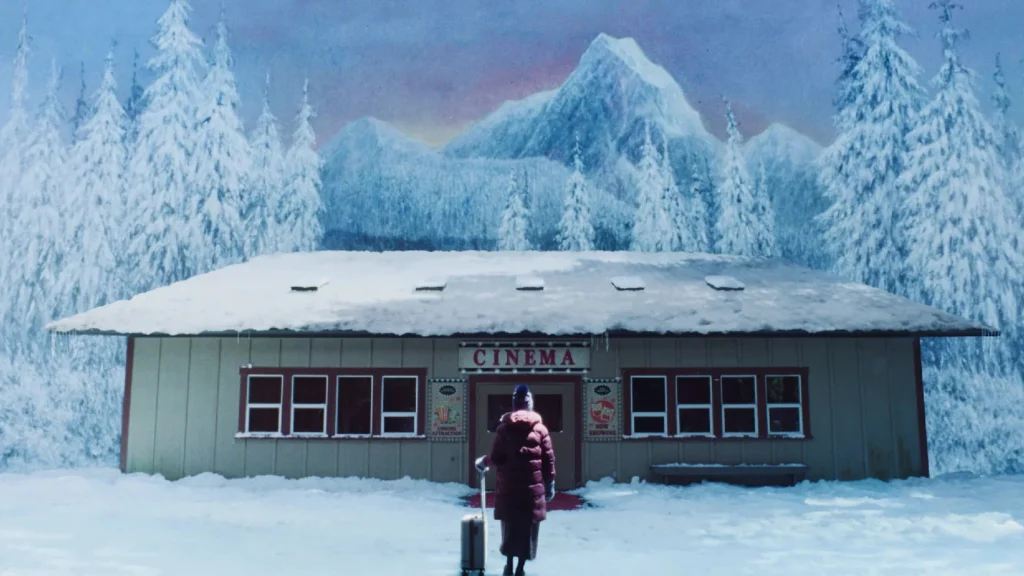
A estética já havia se provado um ponto alto na carreira de Schoenbrun, mas aqui ela alcança novos patamares. Entre a utilização de fundos pintados inspirados no cinema clássico, uso de luzes e sombras emulando o cinema de terror estadunidense dos anos 1980 e um design de personagem que lembra as gaiolas que nos colocamos por conta das dissidências de gênero, tudo colabora para criar um filme que tem um potencial de clássico instantâneo para a comunidade LGBTQIA+. A trilha sonora, que é realizada pelo mesmo artista que I Saw the TV Glow e já havia sido muito elogiada, aqui também apresenta uma atmosfera perfeita para o filme, misturando doses de uma nostalgia pop com elementos que parecem quase mágicos, colocando ainda um elemento de conto de fadas.
É inegável que o filme sofre um pouco para conseguir encerrar todos os elementos que traz em seu andamento, mas nem por isso se torna menos impactante. Talvez o público acabe se lembrando muito mais de seu andamento do que necessariamente do seu final, o que eu honestamente acho que é até um ganho para o filme. Mas é inegável que ele foi colocado na categoria correta dentro do festival, dedicada aos primeiros longas de diretores promissores.
Obrigada, Aline Guevara, pelo apoio! Se você quiser ver o seu nome nas próximas críticas, não esqueça que o financiamento coletivo segue aberto em https://www.kickante.com.br/financiamento-coletivo/ajude-o-no-sofa-com-gatos.
In Eglish, translated by Renata Torres:
Teenage Sex and Death at Camp Miasma (USA/UK, 2026)
Original Title: Teenage Sex and Death at Camp Miasma
Director: Jane Schoenbrun
Screenplay: Jane Schoenbrun
Main Cast: Hannah Einbinder, Gillian Anderson, Amanda Fix, Arthur Conti, Eva Victor, Zach Cherry, Sarah Sherman, Patrick Fischler, Dylan Baker, Jasmin Savoy Brown, Quintessa Swindell, Kevin McDonald, and Jack Haven
Running Time: 112 minutes
A conventional slasher film has some basic rules that aren’t always explicitly stated, but are present in all works. The maniacal killer, the extremely violent deaths, and a vulnerable victim who manages to fight with all their might to survive are some of them. But, over the years, many other elements have been added and even subverted by franchises like Scream: sex must be punished, drug use must be punished, at least three deaths are required on screen, and a scene of partial female nudity. In other words, trying to stick to the list of everything that should be done or avoided, only a great aficionado of genre cinema could make a truly good slasher film (note, the “truly” is ironic, referring to a boring cinephilia, and not the opinion of the author of this text).
The point is that Jane Schoenbrun has proven herself to be a person passionate about slasher films. If her relationship with the importance that media has in people’s lives was already very present in I Saw The TV Glow, here it is elevated to a greater power. The film begins by staging and showing the impact that Camp Miasma, a horror franchise invented for the film, had on American popular culture, from the release of an extremely acclaimed first work to the creation of a series of sequels, direct-to-VHS films, a board game, and collectible figures until the notion of what to do with that intellectual property was completely lost. Not coincidentally, our protagonist is Kris (Hannah Einbinder), a young director who has achieved great success on the festival circuit and is called upon to create a woke reinterpretation so that the film can continue to be assimilated by capitalism.
Taking into consideration the film’s title, “Teenage Sex and Death at Camp Miasma,” we already have an excellent clue as to how it will behave. First, we have teenage sex and death, which refers both to the atmosphere of 1980s slasher films and to the film itself, in which the killer in question is called Little Death (la petite mort, which is also the French term for the post-orgasm moment) and is introduced as a non-binary trans person with all the transphobic atmosphere that only 1980s cinema is capable of providing. Kris herself jokes about this, saying that her hiring is precisely to re-signify the sins of the past in films. Next, we have “camp,” a word also used to describe an exaggerated aesthetic of self-conscious kitsch, a term that has been quite appropriated by the LGBTQ+ community in recent decades. Finally, the name of the camp is Miasma, a term that was used to describe the way diseases were transmitted before the discovery of viruses and bacteria, and which today is used to describe a heavy psychological or moral environment. With a simple critical reading of the title, we know what kind of aesthetic will be used, the critique of the current anti-trans atmosphere in the United States, and an idea of the film genre that will be developed.
Moving forward in the script, we have Kris’s search for the actress who played the main character in Camp Miasma in the 1980s, Billy Preston (Gillian Anderson), who lives an isolated life away from the spotlight, and this ends up leading the two to reflect on the importance of this type of film and catharsis for an entire generation. Full of cinephile references to Hitchcockian voyeurism and the classic Sunset Boulevard in its themes, the film consistently presents a self-aware humor that dialogues with the proposed camp aesthetic. Besides portraying a relationship between two women based on sincerity and complicity, it also manages to subtly incorporate trans themes, without needing to shout its message, but making it very clear.
The aesthetic had already proven to be a high point in Schoenbrun’s career, but here it reaches new heights. Between the use of painted backgrounds inspired by classic cinema, the use of light and shadow emulating 1980s American horror films, and a character design reminiscent of the cages we put ourselves in because of gender dissidence, everything contributes to creating a film with the potential to become an instant classic for the LGBTQ+ community. The soundtrack, composed by the same artist as I Saw the TV Glow and already highly praised, also presents a perfect atmosphere for the film, mixing doses of pop nostalgia with almost magical elements, adding a fairytale component.
It’s undeniable that the film struggles a bit to wrap up all the aspects it introduces, but that doesn’t make it any less impactful. Perhaps the audience will remember its progression more than its ending, which I honestly think is even a benefit to the film. But it’s undeniable that it was placed in the correct category within the festival, dedicated to the first feature films of promising directors.